
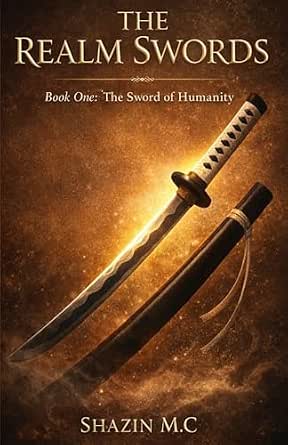
What happens when your crush falls through a portal, and your guide is a sword that chooses you? Read on.
Book
The Realm Swords: The Sword of Humanity by Shazin Muhammed
Genre: Young Adult Fantasy / Fantasy Adventure
Sub-genres: Portal Fantasy; Sword-and-Sorcery; Magical Adventure; Coming-of-Age Fantasy; Quest Fantasy; Young Teen Fantasy
Themes: Friendship; courage; loyalty; responsibility; forgiveness; family; truth; trust; power; personal growth; perseverance; fear; sacrifice; justice.
Minimum age: 12+, primarily because of the frequency and intensity of fantasy violence, including deaths, blood, weapon injuries and descriptions of bodily harm. The protagonist is fifteen, and the narrative voice and subject matter are directed toward younger readers/young teens.
Review
The Realm Swords: The Sword of Humanity begins with a remarkably ordinary teenage problem: Zack is thinking about how to tell Ruby, his crush, how he feels. Then reality opens.
Ruby falls through a portal, and Zack’s understanding of his world changes almost immediately. The librarian Cane reveals that the realms Zack thought belonged to fantasy are real, and that mysterious Realm Swords can allow their wielders to travel between them. Zack’s first objective is therefore straightforward in emotional terms, even if it is anything but straightforward in practice: find the sword, enter the realms and find Ruby.
From there, the novel becomes an extended quest involving forests, mountains, caves, villages, guardians, magical powers, prophecies and unfamiliar creatures. Zack’s journey is not simply a sequence of locations. He repeatedly has to decide whether to fight, whether to trust someone, how much danger he is willing to accept and what responsibility comes with possessing unusual power.
One of the more interesting ideas is that the Realm Sword does not simply become available because Zack wants it. The sword chooses its wielder. That concept gives the weapon a role beyond being equipment and connects the adventure to the book’s recurring questions about character and responsibility.
Cane is also an important part of the story. Their friendship provides Zack with practical assistance, conversation and a source of information as the world around them becomes increasingly complicated. The library itself is an unusual starting point for a fantasy adventure, and Cane’s connection to books becomes part of the mechanism through which Zack discovers information about the hidden realms.
The book also reaches beyond adventure. Zack’s relationship with his mother, his memories of his father, his friendships and his understanding of forgiveness contribute another layer to his development. One later chapter is explicitly centred on forgiveness, while another presents a letter Zack has written to his mother about the past. These moments suggest that the author’s idea of a hero involves more than defeating an opponent.
There is plenty here for readers who enjoy imaginative world-building and continuous action. The manuscript introduces a substantial mythology, including Realm Knights, kings, prophecies, magical energies and different realms. Readers who enjoy asking how a fictional universe works may have considerable material to explore.
At the same time, the book’s ambition is sometimes undermined by its presentation. The prose contains frequent grammatical and punctuation errors, and conversations can feel more like explanations of the plot than naturally developed dialogue. The story also introduces many concepts and encounters, sometimes faster than they can be fully developed. As a result, the adventure can feel episodic rather than tightly constructed.
The combat is another defining feature. Zack spends substantial portions of the story fighting animals and people, and these encounters sometimes involve blood, serious injuries and death. That makes the book considerably more intense than its teenage friendship premise initially suggests.
This book is likely to suit young readers who enjoy swords, portals, magical worlds, quests and a protagonist who is constantly being challenged. It is less suited to readers who prefer quiet fantasy, elaborate literary prose or stories where violence is rare.
There is imagination here, particularly in the book’s expanding mythology. With further editorial development, that imaginative foundation could become more coherent and polished. As it stands, The Realm Swords: The Sword of Humanity is an energetic fantasy quest whose strongest feature is the breadth of the world it attempts to create.
Other Stories
Book Review: The Direction You Set by Simon Kingsley
What if your calendar, pauses, check-ins, and smallest decisions were quietly teaching your team how to experience your leadership? Read the full review to discover the answer for yourself there.
Keep reading
Book Review: A Moment’s Surrender by John Burt
What if the hardest person to forgive is the version of yourself you meet in someone else’s grief? A Moment’s Surrender by John Burt explores it; read the full write-up.
Keep reading
Book Review: Birds Beyond Reach by Dwayne Ulliac
Can chasing a bird teach someone more about love than chasing a dream? In Dwayne Ulliac’s Birds Beyond Reach, read the full write-up to discover why this strange question matters.
Keep reading
Book Review of In My Mother’s Footsteps: Poems of Love & Loss by Rachel Peck and Barbara Dickenson
Can a jam tart, a snowflake, or an old chair remember someone better than we can? In In My Mother’s Footsteps by Rachel Peck, read the review to find out.
Keep reading
Book Review: Welcome to Mapleberg by Tye Burroughs
What if a town became so orderly that finding the truth became the real crime? Welcome to Mapleberg by Tye Burroughs explores that question; read the full review to discover.
Keep readingWe’d love to hear from you!
What are your thoughts on this piece? Share your insights in the comments below!
- What stood out to you most about this post?
- Have you read a book recently that relates to the themes discussed here?
- What’s your favorite takeaway or reflection from this write-up?
Let’s keep the conversation going—your thoughts make this space richer!
Disclaimer: The content on this site is provided for informational and inspirational purposes only. While we strive for accuracy, the views expressed in reviews, articles, and recommendations are subjective and may not reflect the opinions of all readers.
We receive complimentary copies of all books we review. However, this practice does not compromise the integrity or honesty of our reviews. Every write-up reflects the contributor’s genuine impressions and critical analysis, ensuring transparency and trust with our readers.
For a complete understanding of our practices, please refer to our full Disclaimer, Privacy Policy, and Terms of Service. These documents outline how we manage your information, ensure transparency, and uphold your rights as a user.
To request for a review, to nominate your favorite book for an award, or for more details about our awards, click here.
Other Stories
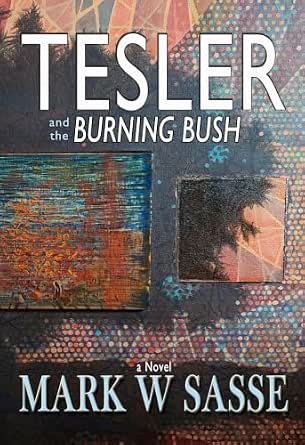
Book Review: Tesler & the Burning Bush by Mark W. Sasse
What happens when the richest man alive decides that civilization is the problem? Tesler & the Burning Bush asks an unsettling question readers can explore by reading the full review.
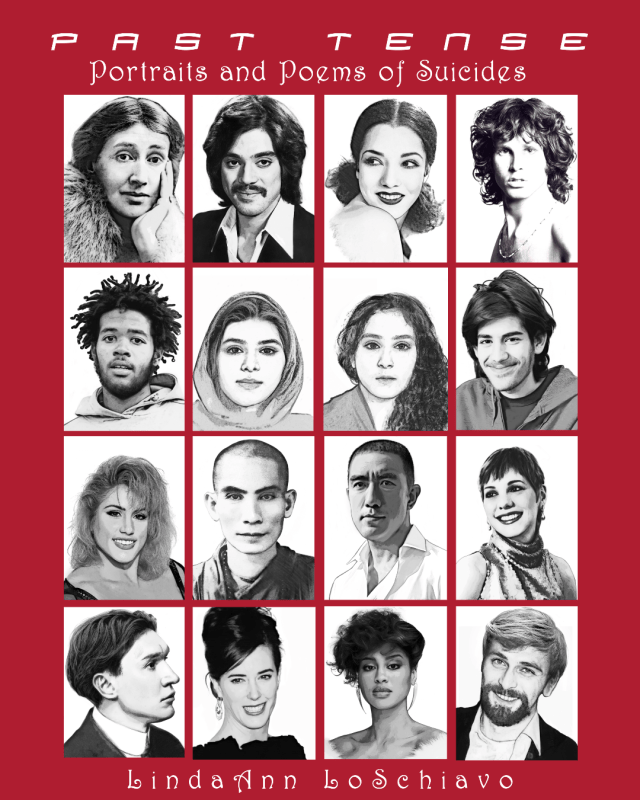
Past Tense by LindaAnn LoSchiavo
Can twenty-three different poetic forms make silence speak without pretending to know everything? Past Tense by LindaAnn LoSchiavo invites readers to investigate through poetry together.
Rajat Chohda: Exploring Conscious Living Through Reflection and Everyday Practice
Can a question about an ordinary family conversation change how you define success? Rajat Chohda explores this journey through his experiences, ideas, and writing; read the full interview to discover.


