
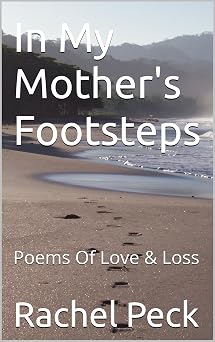
Can a jam tart, a snowflake, or an old chair remember someone better than we can? In In My Mother’s Footsteps by Rachel Peck, read the review to find out.
Book title and author
In My Mother’s Footsteps: Poems of Love & Loss by Rachel Peck and Barbara Dickenson
Genre
Poetry / Contemporary Poetry / Family Memoir in Verse
Sub-genres
- Reflective Poetry
- Memorial Poetry
- Autobiographical Poetry
- Family Poetry
- Nature Poetry
- Lyric Poetry
- Narrative Poetry
- Free Verse
- Haiku and Formal Poetry
Themes
- Mother-daughter relationships
- Family
- Love
- Grief and remembrance
- Childhood
- Memory
- Ageing
- Loss
- Friendship
- Marriage and companionship
- Pets and animal companionship
- Passing of time
- Personal identity
- Writing and creativity
- Christmas and family traditions
- Nature and the seasons
- Resilience
- Everyday moments
Review
What can a family album look like when the photographs are made of words? In My Mother’s Footsteps: Poems of Love & Loss answers by turning remembered voices, places, routines, celebrations, losses, animals, seasons, and ordinary objects into a record.
The collection has a foundation. Rachel Peck brings together her own poems with those of her late mother, Barbara Dickenson, whose wish to publish her poetry had remained unrealised. The result is not simply a memorial volume. It is also a conversation across generations, showing where the two poets meet and differ.
Barbara’s poems favour rhyme, narrative, and accessible storytelling. They recount childhood, family occasions, holidays, community activities, Christmas traditions, and experiences with illness and healthcare. Rachel’s contributions frequently use varied layouts and forms, including haiku, free verse, acrostics, and sonnets. The contrast gives the collection much of its character: one voice feels like a remembered story being told aloud, while the other pauses over images and emotional detail.
The book’s quality is its attention to the small things that become meaningful later. A childhood toy, a Scrabble game, a family party, a journey by train, a favourite chair, a dog’s behaviour, or the smell of Christmas can become a doorway into memory. This is recognisable. Autobiographical memories are connected to sensory details, which helps explain why apparently minor experiences can remain vivid for decades.
Grief is central, in Rachel’s poems about her mother, father, other relatives, and dogs. The collection does not treat loss as a single dramatic event. Instead, it appears through reminders: a birthday, a Christmas tree, a familiar scent, a photograph, a place, or an everyday ritual. That approach gives the book an honest understanding of how remembrance can operate. A person may be absent while their influence continues to shape routines, language, affection, and identity.
The later nature section provides a useful change of rhythm. Bluebells, woodland, weather, flowers, wildlife, snow, autumn leaves, and the changing seasons create a frame around the personal material. The movement from spring to summer, autumn, and winter also gently echoes the collection’s interest in time, change, ageing, and renewal.
There are places where the poetry is deliberately straightforward rather than formally ambitious, and some rhyming pieces can feel more conventional than Rachel’s freer work. Readers seeking highly experimental contemporary poetry may therefore find parts of the collection less challenging. Those who prefer intimate, accessible verse rooted in lived experience will find a closer match.
This is a book for readers who enjoy personal family histories expressed through poetry, reflective collections, memorial writing, and everyday observations transformed into verse. It is less suited to readers wanting a single continuous narrative or poetry focused on abstraction and formal innovation.
Ultimately, In My Mother’s Footsteps is about what remains. Not only poems, but habits, stories, places, laughter, grief, and ways of seeing can pass from one generation to another. Rachel’s act of publishing her mother’s work becomes part of that inheritance, while her own poems show that the inheritance has continued to evolve.
Content Warning
Death and bereavement; cancer and serious illness; breast-health concerns; grief and emotional distress; references to alcohol; religious and Christian references; romantic relationships and kissing; references to the COVID-19 pandemic; and the death or decline of companion animals.
Other Stories
Book Review: Welcome to Mapleberg by Tye Burroughs
What if a town became so orderly that finding the truth became the real crime? Welcome to Mapleberg by Tye Burroughs explores that question; read the full review to discover.
Keep reading
Book Review: Tesler & the Burning Bush by Mark W. Sasse
What happens when the richest man alive decides that civilization is the problem? Tesler & the Burning Bush asks an unsettling question readers can explore by reading the full review.
Keep reading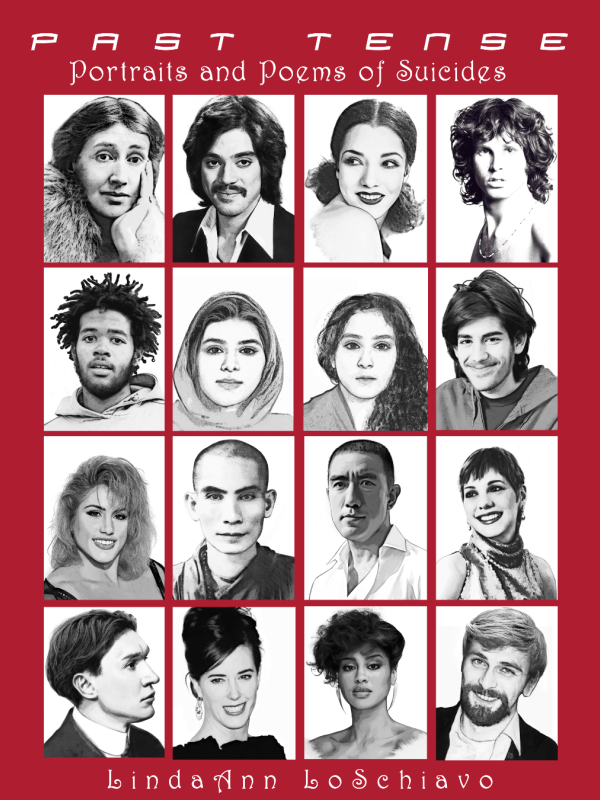
Past Tense by LindaAnn LoSchiavo
Can twenty-three different poetic forms make silence speak without pretending to know everything? Past Tense by LindaAnn LoSchiavo invites readers to investigate through poetry together.
Keep reading
Rajat Chohda: Exploring Conscious Living Through Reflection and Everyday Practice
Can a question about an ordinary family conversation change how you define success? Rajat Chohda explores this journey through his experiences, ideas, and writing; read the full interview to discover.
Keep reading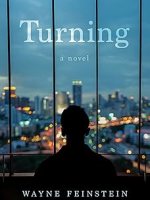
Turning by Wayne Feinstein
What if the loudest room you’ve ever entered was your own memory? Discover how Turning by Wayne Feinstein explores that unexpected question in our full review.
Keep readingWe’d love to hear from you!
What are your thoughts on this piece? Share your insights in the comments below!
- What stood out to you most about this post?
- Have you read a book recently that relates to the themes discussed here?
- What’s your favorite takeaway or reflection from this write-up?
Let’s keep the conversation going—your thoughts make this space richer!
Disclaimer: The content on this site is provided for informational and inspirational purposes only. While we strive for accuracy, the views expressed in reviews, articles, and recommendations are subjective and may not reflect the opinions of all readers.
We receive complimentary copies of all books we review. However, this practice does not compromise the integrity or honesty of our reviews. Every write-up reflects the contributor’s genuine impressions and critical analysis, ensuring transparency and trust with our readers.
For a complete understanding of our practices, please refer to our full Disclaimer, Privacy Policy, and Terms of Service. These documents outline how we manage your information, ensure transparency, and uphold your rights as a user.
To request for a review, to nominate your favorite book for an award, or for more details about our awards, click here.
Other Stories
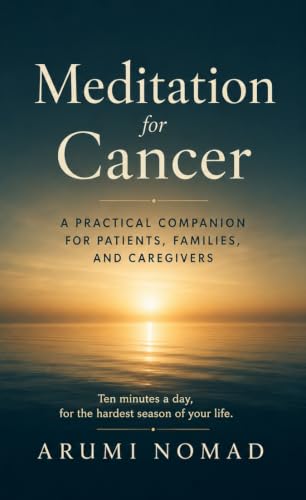
Meditation for Cancer: A Practical Companion for Patients, Families and Caregivers by Arumi Nomad
What if the strongest medicine you carried couldn’t fit inside a bottle? Discover how Meditation for Cancer by Arumi Nomad explores that surprising question in our complete review.
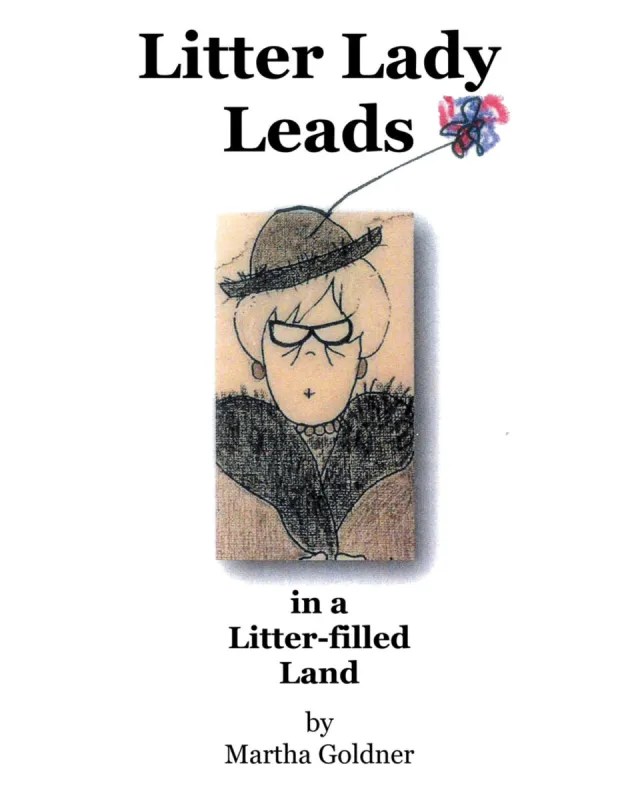
Litter Lady Leads by Martha Goldner
Can one person’s strange habit quietly change an entire neighborhood? Discover why Litter Lady Leads by Martha Goldner asks an unexpected question—and why the full story offers the answer.
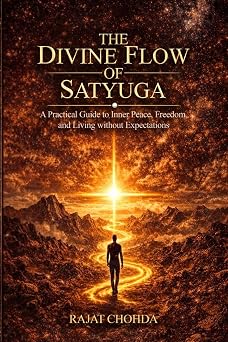
The Divine Flow of Satyuga by Rajat Chohda
What if the heaviest suitcase you carry has no handle and no weight? Discover how The Divine Flow of Satyuga by Rajat Chohda explores that mystery in the full review.


