
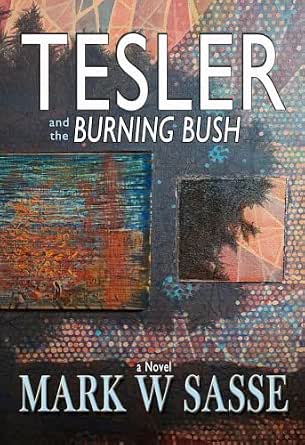
What happens when the richest man alive decides that civilization is the problem? Tesler & the Burning Bush asks an unsettling question readers can explore by reading the full review.
Tesler & the Burning Bush by Mark W. Sasse (has been scheduled for publication)
Genre: Speculative Fiction, Thriller
Sub-genres: Techno-Thriller, Science Fiction Thriller, Philosophical Fiction, Mystery, Dystopian/Speculative Fiction, Religious Speculative Fiction
Themes: Artificial intelligence, wealth and power, technological control, isolation, nature, ambition, family, truth, media, faith, redemption, human agency, morality, responsibility, and the limits of prediction
The human instinct to predict what comes next is hardly new. We read weather patterns, study animal behaviour, build mathematical models and use machines to identify patterns that would overwhelm an individual mind. But what happens when prediction becomes so powerful that the person using it begins to question whether knowing more actually means understanding more?
That question sits at the centre of Tesler & the Burning Bush.
Mark W. Sasse’s novel introduces Alden Rand Tesler, known to the world as Art, a technology billionaire whose rise has been built on artificial intelligence, prediction and extraordinary wealth. Eight years after his spectacular disappearance, journalist Skye Seder follows a lead into the forests of upstate New York and discovers that the man the world has spent years searching for is living in circumstances almost impossible to reconcile with his former life.
The interesting part is not simply that Art has vanished. It is the question of what solitude has done to him.
The novel moves between the present and the years preceding Art’s disappearance, gradually assembling the circumstances that pushed him away from Manhattan’s technology culture and toward the wilderness. Artificial intelligence, corporate power, media attention, government scrutiny and personal betrayal all become pieces of the larger puzzle. At the same time, the forest becomes more than scenery. It functions as a counterpoint to the highly connected world Art helped create: one environment rewards prediction and information, while the other demands observation, patience and physical survival.
That contrast gives the book some of its strongest moments.
Nature can be restorative for human attention; research associated with attention-restoration theory has explored how natural environments can reduce the demands placed on directed attention. Sasse turns that familiar idea into fiction with a much more extreme question: what might happen if someone accustomed to controlling enormous quantities of information deliberately removed himself from information altogether?
The answer is neither straightforward nor entirely comfortable.
Art is an especially unconventional protagonist. He is intelligent, funny, arrogant, wounded, difficult and capable of both insight and profound misjudgment. Skye provides an equally important counterweight because she approaches him not as a philosopher but as a journalist pursuing a story. Their conflicting motivations create much of the novel’s tension.
The book will appeal most to readers who enjoy speculative thrillers that leave philosophical questions behind after the action ends. Readers looking for a conventional technology thriller, a straightforward mystery or an uncomplicated hero may find its increasingly metaphysical direction unexpected.
Its greatest strength is its willingness to ask very large questions through a very strange story: Can technology give humanity control without giving humanity wisdom? Can isolation change a person? Can wealth solve a problem created by wealth? And what happens when someone mistakes a vision for permission?
The novel does not make those questions easy. That is precisely what makes Tesler & the Burning Bush worth discussing.
Who it is for: Adult readers who enjoy ambitious speculative thrillers, technology-driven fiction, wilderness mysteries and novels that combine action with philosophical and spiritual questions.
Who it is not for: Readers seeking a gentle, conventional or all-ages story, or readers who prefer speculative fiction to remain strictly technological rather than moving into spiritual and deliberately ambiguous territory.
Content Warning: The novel contains violence, shootings, stabbing, deaths, mass-casualty events, profanity, alcohol use, adult sexual situations, marital infidelity, nudity, sexual exploitation and human trafficking involving a minor, as well as political, religious and socially contentious discussions.
Other Stories
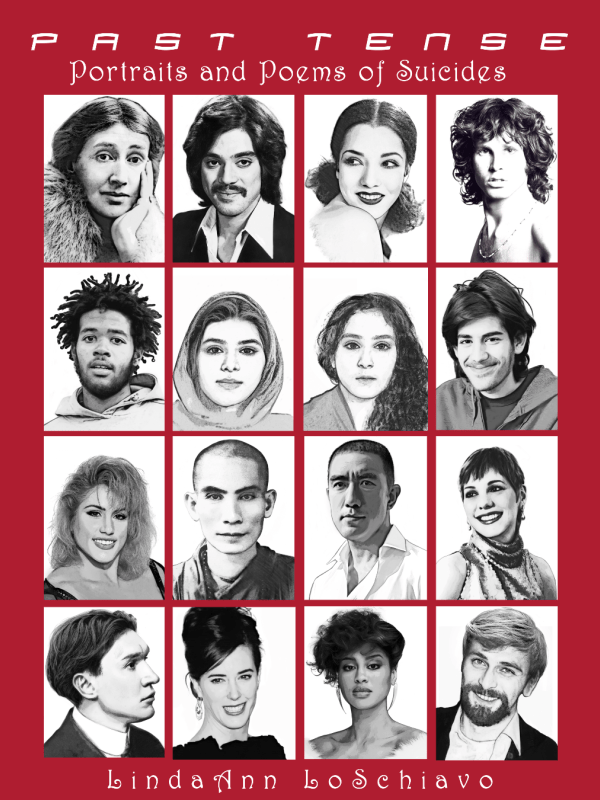
Past Tense by LindaAnn LoSchiavo
Can twenty-three different poetic forms make silence speak without pretending to know everything? Past Tense by LindaAnn LoSchiavo invites readers to investigate through poetry together.
Keep reading
Rajat Chohda: Exploring Conscious Living Through Reflection and Everyday Practice
Can a question about an ordinary family conversation change how you define success? Rajat Chohda explores this journey through his experiences, ideas, and writing; read the full interview to discover.
Keep reading
Turning by Wayne Feinstein
What if the loudest room you’ve ever entered was your own memory? Discover how Turning by Wayne Feinstein explores that unexpected question in our full review.
Keep reading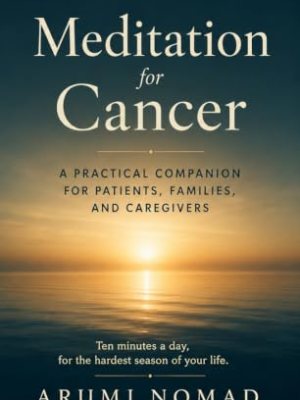
Meditation for Cancer: A Practical Companion for Patients, Families and Caregivers by Arumi Nomad
What if the strongest medicine you carried couldn’t fit inside a bottle? Discover how Meditation for Cancer by Arumi Nomad explores that surprising question in our complete review.
Keep reading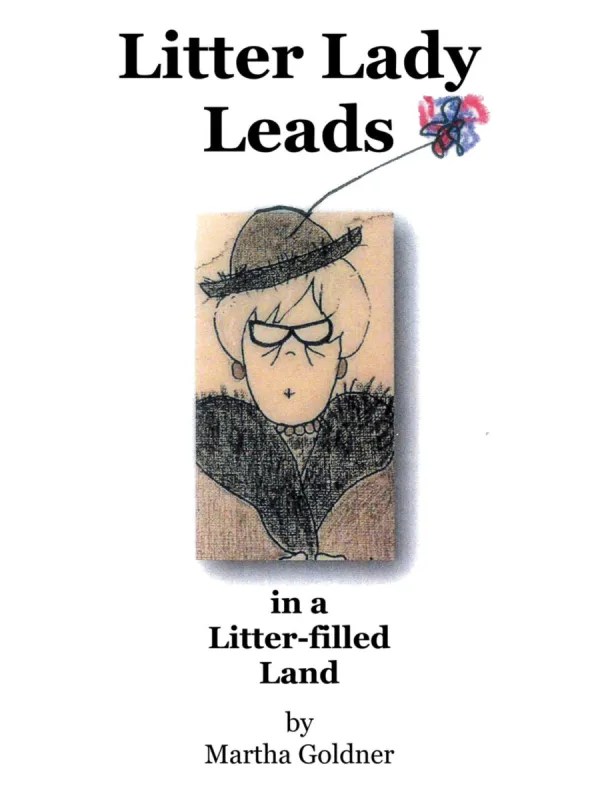
Litter Lady Leads by Martha Goldner
Can one person’s strange habit quietly change an entire neighborhood? Discover why Litter Lady Leads by Martha Goldner asks an unexpected question—and why the full story offers the answer.
Keep readingWe’d love to hear from you!
What are your thoughts on this piece? Share your insights in the comments below!
- What stood out to you most about this post?
- Have you read a book recently that relates to the themes discussed here?
- What’s your favorite takeaway or reflection from this write-up?
Let’s keep the conversation going—your thoughts make this space richer!
Disclaimer: The content on this site is provided for informational and inspirational purposes only. While we strive for accuracy, the views expressed in reviews, articles, and recommendations are subjective and may not reflect the opinions of all readers.
We receive complimentary copies of all books we review. However, this practice does not compromise the integrity or honesty of our reviews. Every write-up reflects the contributor’s genuine impressions and critical analysis, ensuring transparency and trust with our readers.
For a complete understanding of our practices, please refer to our full Disclaimer, Privacy Policy, and Terms of Service. These documents outline how we manage your information, ensure transparency, and uphold your rights as a user.
To request for a review, to nominate your favorite book for an award, or for more details about our awards, click here.
Other Stories
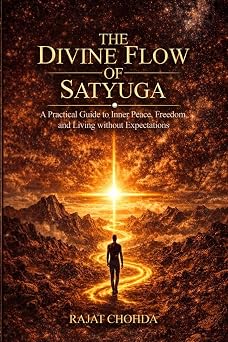
The Divine Flow of Satyuga by Rajat Chohda
What if the heaviest suitcase you carry has no handle and no weight? Discover how The Divine Flow of Satyuga by Rajat Chohda explores that mystery in the full review.
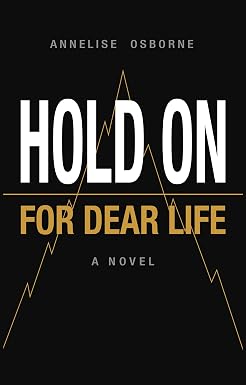
Hold On for Dear Life by Annelise Osborne
What if the greatest investment you ever made wasn’t money but trust? Discover how Hold On for Dear Life by Annelise Osborne explores that question in the review below.
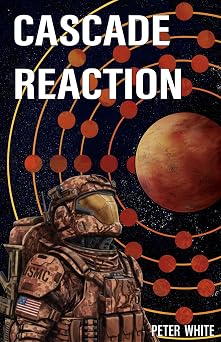
Cascade Reaction by Peter White
What if the safest place to lose humanity was the very world built to save it? Discover how Cascade Reaction by Peter White explores that unsettling possibility in the review below.


