
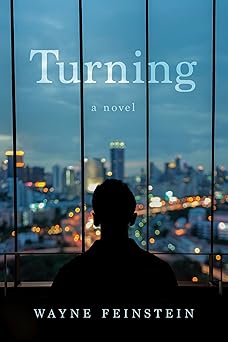
What if the loudest room you’ve ever entered was your own memory? Discover how Turning by Wayne Feinstein explores that unexpected question in our full review.
Book
Turning by Wayne Feinstein
Genre
Genre
Fiction
Sub-genres
- Contemporary Fiction
- Literary Fiction
- Family Drama
- Psychological Fiction
- Redemptive Fiction
Themes
- Family
- Regret
- Forgiveness
- Grief
- Redemption
- Self-discovery
- Love
- Personal growth
- Reconciliation
- Second chances
Review
A skyline can suggest permanence, yet even the tallest buildings rely on unseen foundations. Human lives are much the same. Careers may flourish, reputations may grow, and achievements may accumulate, but beneath those visible successes lie relationships that require equal care. Turning begins with that quiet truth before unfolding into a thoughtful examination of what happens when success and personal fulfillment no longer stand on the same foundation.
Wayne Feinstein introduces readers to Joe Fredericks, a New York City real estate developer who appears to have reached every conventional measure of accomplishment. Within only a few pages, however, a phone call from his former wife dismantles that image. Their son, Steven, is dying of cancer and has refused to see his father. The emotional impact is immediate, not because of dramatic spectacle, but because the story quickly reveals that Joe understands why his son made that painful decision.
Psychological research consistently suggests that regret often becomes a powerful catalyst for personal reflection, particularly when people confront major life transitions or loss. Rather than treating regret as simple punishment, this novel explores it as the beginning of honest self-examination. Joe gradually revisits earlier choices, asking questions that many readers may eventually ask themselves: What truly matters? When does ambition become imbalance? Is reconciliation still possible after years of distance?
The novel’s greatest strength lies in its emotional restraint. Feinstein allows conversations, memories, and quiet moments to carry the narrative instead of relying on melodrama. Joe’s interactions with his longtime friend Howard provide particularly thoughtful scenes, illustrating how genuine friendship sometimes means offering difficult truths with compassion rather than easy reassurance. Likewise, Joe’s tentative efforts to reconnect with his daughter Laura unfold with realism, acknowledging that trust cannot simply be restored through good intentions alone.
The setting contributes naturally to the story. Manhattan’s business world reflects Joe’s decades of professional ambition, while hospitals, family gatherings, and familiar city streets become places where his personal history resurfaces. The contrast between external success and internal emptiness remains one of the novel’s most compelling ideas.
The writing is accessible yet reflective, balancing dialogue with introspection. Readers are given space to consider Joe’s perspective without being instructed how to judge him. Instead, the novel invites thoughtful reflection about accountability, forgiveness, and the complexity of family relationships.
This book will resonate with readers who appreciate character-driven fiction, emotional realism, and stories that examine how people grow after confronting painful truths. Those seeking fast-paced thrillers or plot-driven suspense may find its reflective style quieter than expected, but readers who value emotional depth are likely to find that deliberate pace rewarding.
Turning ultimately becomes less a story about professional success than about the courage required to confront one’s own past. It reminds readers that while achievements may shape a public life, the relationships we nurture—or neglect—often define the private one. Through compassion, honesty, and carefully developed characters, the novel offers a thoughtful meditation on accountability, healing, and the enduring possibility of change.
Content Warning
Contains themes of terminal illness, grief, bereavement, family estrangement, divorce, and discussions surrounding death. Includes occasional social alcohol consumption. These subjects are presented thoughtfully and without graphic descriptions.
Other Stories
Book Review of In My Mother’s Footsteps: Poems of Love & Loss by Rachel Peck and Barbara Dickenson
Can a jam tart, a snowflake, or an old chair remember someone better than we can? In In My Mother’s Footsteps by Rachel Peck, read the review to find out.
Keep reading
Book Review: Welcome to Mapleberg by Tye Burroughs
What if a town became so orderly that finding the truth became the real crime? Welcome to Mapleberg by Tye Burroughs explores that question; read the full review to discover.
Keep reading
Book Review: Tesler & the Burning Bush by Mark W. Sasse
What happens when the richest man alive decides that civilization is the problem? Tesler & the Burning Bush asks an unsettling question readers can explore by reading the full review.
Keep reading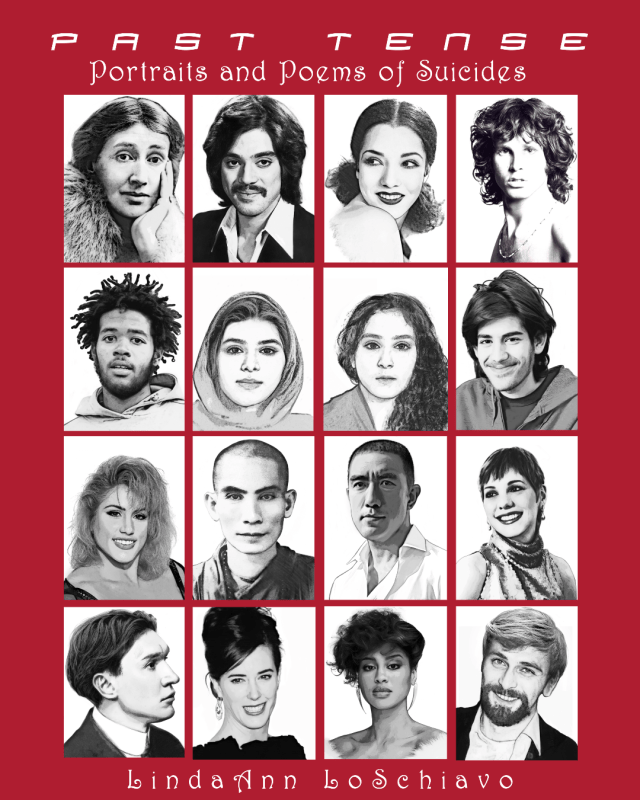
Past Tense by LindaAnn LoSchiavo
Can twenty-three different poetic forms make silence speak without pretending to know everything? Past Tense by LindaAnn LoSchiavo invites readers to investigate through poetry together.
Keep reading
Rajat Chohda: Exploring Conscious Living Through Reflection and Everyday Practice
Can a question about an ordinary family conversation change how you define success? Rajat Chohda explores this journey through his experiences, ideas, and writing; read the full interview to discover.
Keep readingWe’d love to hear from you!
What are your thoughts on this piece? Share your insights in the comments below!
- What stood out to you most about this post?
- Have you read a book recently that relates to the themes discussed here?
- What’s your favorite takeaway or reflection from this write-up?
Let’s keep the conversation going—your thoughts make this space richer!
Disclaimer: The content on this site is provided for informational and inspirational purposes only. While we strive for accuracy, the views expressed in reviews, articles, and recommendations are subjective and may not reflect the opinions of all readers.
We receive complimentary copies of all books we review. However, this practice does not compromise the integrity or honesty of our reviews. Every write-up reflects the contributor’s genuine impressions and critical analysis, ensuring transparency and trust with our readers.
For a complete understanding of our practices, please refer to our full Disclaimer, Privacy Policy, and Terms of Service. These documents outline how we manage your information, ensure transparency, and uphold your rights as a user.
To request for a review, to nominate your favorite book for an award, or for more details about our awards, click here.
Other Stories
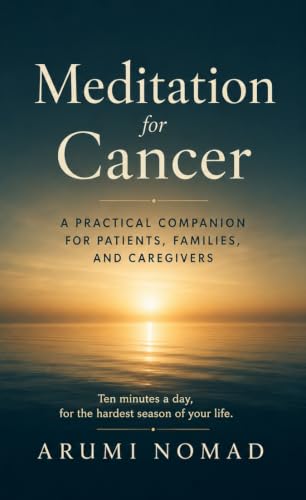
Meditation for Cancer: A Practical Companion for Patients, Families and Caregivers by Arumi Nomad
What if the strongest medicine you carried couldn’t fit inside a bottle? Discover how Meditation for Cancer by Arumi Nomad explores that surprising question in our complete review.
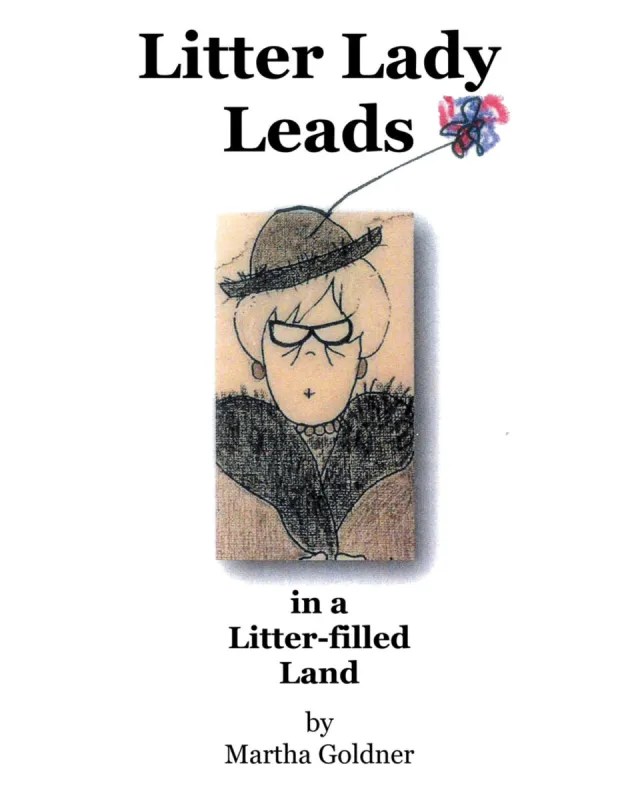
Litter Lady Leads by Martha Goldner
Can one person’s strange habit quietly change an entire neighborhood? Discover why Litter Lady Leads by Martha Goldner asks an unexpected question—and why the full story offers the answer.
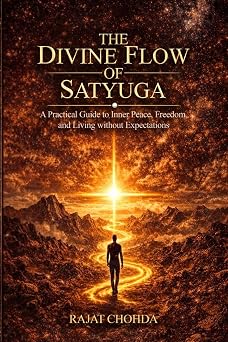
The Divine Flow of Satyuga by Rajat Chohda
What if the heaviest suitcase you carry has no handle and no weight? Discover how The Divine Flow of Satyuga by Rajat Chohda explores that mystery in the full review.


