
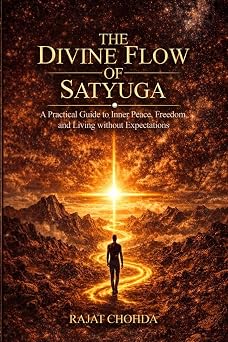
What if the heaviest suitcase you carry has no handle and no weight? Discover how The Divine Flow of Satyuga by Rajat Chohda explores that mystery in the full review.
Book
The Divine Flow of Satyuga by Rajat Chohda
Genre
Genre
Non-fiction
Sub-genres
- Spirituality
- Personal Growth
- Self-Help
- Philosophy
- Practical Spirituality
- Mindfulness
Themes
- Self-awareness
- Inner peace
- Ethics
- Human relationships
- Expectations
- Purpose
- Freedom
- Conscious living
- Personal transformation
Review
Imagine standing beside a flowing river. The faster you try to hold the water still, the quicker it slips through your fingers. That image quietly echoes throughout The Divine Flow of Satyuga, a reflective work in which Rajat Chohda invites readers to consider whether peace is found not by controlling life but by understanding it.
Rather than presenting Satyuga as a distant era described only in ancient tradition, the author reframes it as a way of living available in everyday experience. The book gradually examines familiar aspects of human life—needs, desires, expectations, relationships, maturity, fear, acceptance, purpose, and spirituality—through the lens of conscious awareness. Each chapter builds upon the previous one, encouraging readers to pause and reflect instead of rushing toward conclusions.
Many psychological studies suggest that excessive rumination, unrealistic expectations, and chronic stress can reduce well-being, while practices involving mindfulness, gratitude, and reflection often improve emotional resilience. Although this book is philosophical rather than scientific, its encouragement to become more aware of one’s thoughts, choices, and relationships aligns with several well-established ideas in modern psychology. The result is a work that feels more like an invitation to thoughtful observation than a manual demanding strict adherence.
One of the book’s notable strengths is its accessibility. The language remains conversational, making complex ideas approachable for readers who may have little prior exposure to philosophy or spirituality. Short reflections, recurring themes, and memorable analogies—such as comparing life to balancing the ingredients of a cup of coffee—help illustrate abstract concepts without becoming overly academic.
The book also benefits from a consistent ethical thread. Throughout the manuscript, readers are encouraged to act without intentionally harming others, to reduce unhealthy attachment, and to cultivate responsibility alongside freedom. Even when discussing spiritual ideas, the emphasis remains on practical behaviour and everyday interactions rather than ritual or religious doctrine.
At the same time, readers should recognise that the work presents the author’s personal philosophical framework rather than universally established fact. Some arguments are intentionally broad, and those seeking rigorous historical analysis, scientific evidence, or comparative philosophy may wish for additional references or discussion of alternative viewpoints. A degree of repetition also appears across chapters, reinforcing the core message but occasionally slowing the overall pace.
This is an excellent choice for readers who enjoy reflective non-fiction, practical spirituality, and books that encourage introspection through accessible language. It may especially appeal to those tackling periods of personal change or seeking a calmer perspective on relationships, purpose, and everyday living.
Readers looking primarily for academic philosophy, theological debate, or empirical psychological research may find the book less aligned with their expectations. Likewise, those who prefer fast-paced narratives or heavily evidence-based self-help may wish for a different style.
Ultimately, The Divine Flow of Satyuga succeeds by encouraging readers to ask meaningful questions rather than supplying every answer. Whether one agrees with every conclusion or not, the book offers a thoughtful reminder that many of life’s deepest transformations begin not with changing the world, but with paying closer attention to the way we move through it.
Content Warning
None. The book discusses spirituality, philosophy, and personal beliefs in a reflective, non-graphic manner suitable for a general readership.
Other Stories
Book Review: Tesler & the Burning Bush by Mark W. Sasse
What happens when the richest man alive decides that civilization is the problem? Tesler & the Burning Bush asks an unsettling question readers can explore by reading the full review.
Keep reading
Past Tense by LindaAnn LoSchiavo
Can twenty-three different poetic forms make silence speak without pretending to know everything? Past Tense by LindaAnn LoSchiavo invites readers to investigate through poetry together.
Keep reading
Rajat Chohda: Exploring Conscious Living Through Reflection and Everyday Practice
Can a question about an ordinary family conversation change how you define success? Rajat Chohda explores this journey through his experiences, ideas, and writing; read the full interview to discover.
Keep reading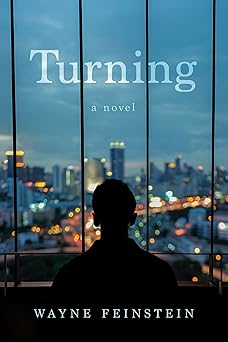
Turning by Wayne Feinstein
What if the loudest room you’ve ever entered was your own memory? Discover how Turning by Wayne Feinstein explores that unexpected question in our full review.
Keep reading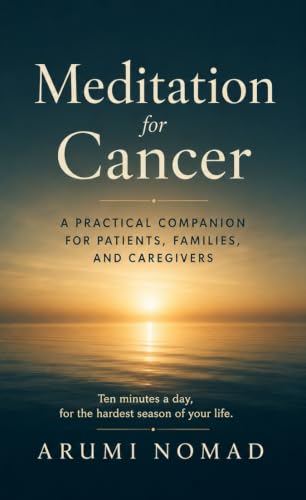
Meditation for Cancer: A Practical Companion for Patients, Families and Caregivers by Arumi Nomad
What if the strongest medicine you carried couldn’t fit inside a bottle? Discover how Meditation for Cancer by Arumi Nomad explores that surprising question in our complete review.
Keep readingWe’d love to hear from you!
What are your thoughts on this piece? Share your insights in the comments below!
- What stood out to you most about this post?
- Have you read a book recently that relates to the themes discussed here?
- What’s your favorite takeaway or reflection from this write-up?
Let’s keep the conversation going—your thoughts make this space richer!
Disclaimer: The content on this site is provided for informational and inspirational purposes only. While we strive for accuracy, the views expressed in reviews, articles, and recommendations are subjective and may not reflect the opinions of all readers.
We receive complimentary copies of all books we review. However, this practice does not compromise the integrity or honesty of our reviews. Every write-up reflects the contributor’s genuine impressions and critical analysis, ensuring transparency and trust with our readers.
For a complete understanding of our practices, please refer to our full Disclaimer, Privacy Policy, and Terms of Service. These documents outline how we manage your information, ensure transparency, and uphold your rights as a user.
To request for a review, to nominate your favorite book for an award, or for more details about our awards, click here.
Other Stories
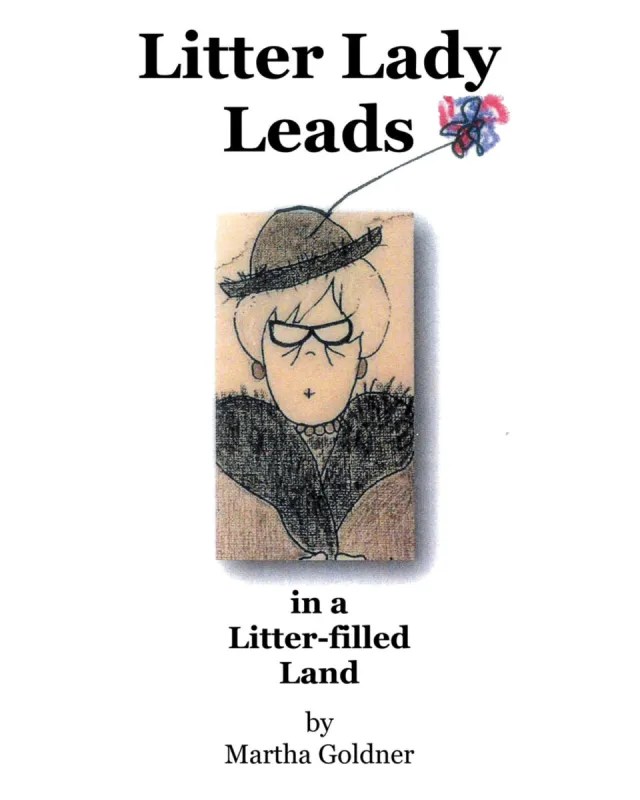
Litter Lady Leads by Martha Goldner
Can one person’s strange habit quietly change an entire neighborhood? Discover why Litter Lady Leads by Martha Goldner asks an unexpected question—and why the full story offers the answer.
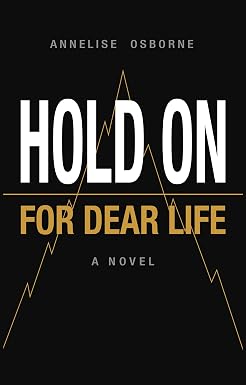
Hold On for Dear Life by Annelise Osborne
What if the greatest investment you ever made wasn’t money but trust? Discover how Hold On for Dear Life by Annelise Osborne explores that question in the review below.
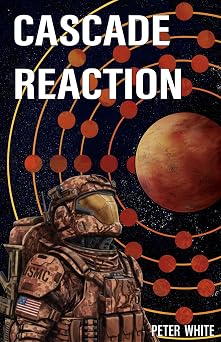
Cascade Reaction by Peter White
What if the safest place to lose humanity was the very world built to save it? Discover how Cascade Reaction by Peter White explores that unsettling possibility in the review below.


