

Have you ever wondered why some people fear movement more than silence—and what happens when stillness becomes a belief system? This piece explores that unsettling idea, but the answer lies in the full write-up.
Title & Author
The Still Family by John Tomaino
Genre, Sub-Genres, Themes
- Genre: Horror
- Sub-Genres: Psychological horror, crime horror, rural gothic, coming-of-age thriller
- Themes: Obsession, grief, longing for connection, distorted family ideals, the tension between stillness and change, consequences of unprocessed trauma
Content Warning: This novel contains intense scenes of violence, injury, death, and disturbing imagery involving human bodies. It is meant for mature readers.
Review
There are stories that make you look over your shoulder, and there are stories that make you question why you ever looked away in the first place. The Still Family belongs firmly to the latter category—not because it startles you, but because it lingers, tapping you on the spine with the quietest possible finger. What if the greatest danger isn’t loud, chaotic destruction, but the person who wants everything to stay exactly the same?
John Tomaino takes readers into the psychological landscape of Jeffrey Still, a boy whose childhood fractures in a single moment and never quite puts itself back together again. The book does something unusual: it approaches horror not as shock value but as a byproduct of yearning. Jeffrey is less a villain manufactured for thrills and more a case study in what happens when someone interprets loss as proof that motion itself is harmful. In this sense, the novel resembles a scientific experiment—how far will a person go to prevent change? Could the fear of impermanence ever distort affection into something unrecognizable?
On the other side of the narrative stands Hannah, a teenager with a sharpened instinct for noticing what adults dismiss. Her role works because she represents the opposite impulse: movement, inquiry, growth. She is the natural counterpoint to Jeffrey’s stillness. Watching her sift through clues feels less like a detective story and more like a real adolescent slowly discovering that the world does not always supply explanations—or safety—on demand. It’s a quietly profound reminder of how easily the young are expected to adapt to adult decisions they never agreed to.
The rural Australian setting reinforces the story’s themes. Empty roads, long distances, and isolated homes create a natural ecosystem for unnoticed tragedies. Anyone who has driven through long rural stretches knows the strange mix of beauty and danger they hold: wide skies, quiet landscapes, yet thin margins for survival. The novel leverages this truth without preaching it, relying instead on sensory detail and the eerie neutrality of nature.
What might surprise readers is how controlled the storytelling feels. Even during its tensest moments, the narrative maintains a sense of observational calm. This restraint makes the book’s darker turns more impactful, not less, because the horror arises from recognizable human emotions: the desire for closeness, the terror of abandonment, the hope that broken things can be made whole again. Neuroscience tells us the brain often misremembers traumatic events as a way to protect us; Tomaino’s characters seem to struggle against this instinct, insisting on confronting what should have been forgotten or accepting what should have changed.
This book is ideal for readers who appreciate psychological depth in their horror—those who prefer dread over jump scares. It is less suited to readers who want light content, minimal tension, or strictly uplifting narratives. Yet for anyone willing to explore the uneasy edges of human longing, The Still Family offers a haunting, carefully crafted journey into the limits of connection and the dangers of clinging too tightly to the past.
Other Stories
Book Review of In My Mother’s Footsteps: Poems of Love & Loss by Rachel Peck and Barbara Dickenson
Can a jam tart, a snowflake, or an old chair remember someone better than we can? In In My Mother’s Footsteps by Rachel Peck, read the review to find out.
Keep reading
Book Review: Welcome to Mapleberg by Tye Burroughs
What if a town became so orderly that finding the truth became the real crime? Welcome to Mapleberg by Tye Burroughs explores that question; read the full review to discover.
Keep reading
Book Review: Tesler & the Burning Bush by Mark W. Sasse
What happens when the richest man alive decides that civilization is the problem? Tesler & the Burning Bush asks an unsettling question readers can explore by reading the full review.
Keep reading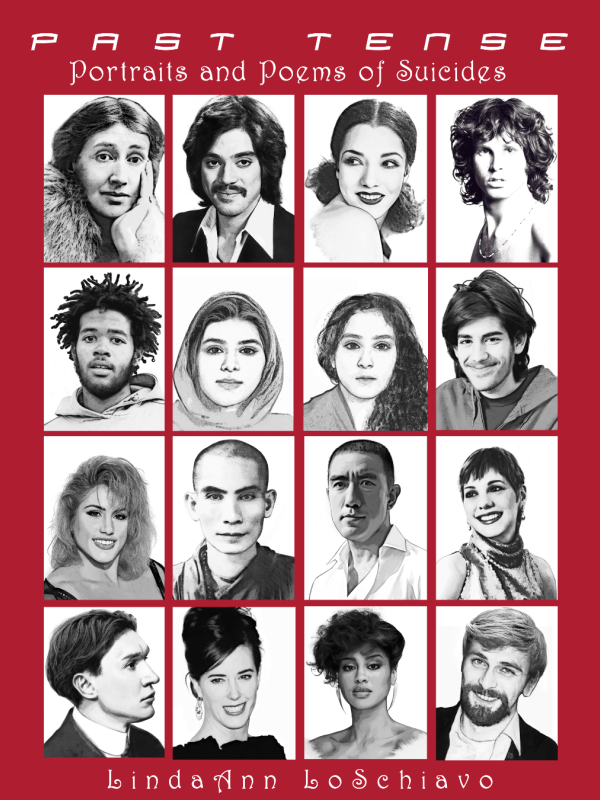
Past Tense by LindaAnn LoSchiavo
Can twenty-three different poetic forms make silence speak without pretending to know everything? Past Tense by LindaAnn LoSchiavo invites readers to investigate through poetry together.
Keep reading
Rajat Chohda: Exploring Conscious Living Through Reflection and Everyday Practice
Can a question about an ordinary family conversation change how you define success? Rajat Chohda explores this journey through his experiences, ideas, and writing; read the full interview to discover.
Keep readingWe’d love to hear from you!
What are your thoughts on this piece? Share your insights in the comments below!
- What stood out to you most about this post?
- Have you read a book recently that relates to the themes discussed here?
- What’s your favorite takeaway or reflection from this write-up?
Let’s keep the conversation going—your thoughts make this space richer!
Disclaimer: The content on this site is provided for informational and inspirational purposes only. While we strive for accuracy, the views expressed in reviews, articles, and recommendations are subjective and may not reflect the opinions of all readers.
We receive complimentary copies of all books we review. However, this practice does not compromise the integrity or honesty of our reviews. Every write-up reflects the contributor’s genuine impressions and critical analysis, ensuring transparency and trust with our readers.
For a complete understanding of our practices, please refer to our full Disclaimer, Privacy Policy, and Terms of Service. These documents outline how we manage your information, ensure transparency, and uphold your rights as a user.
To request for a review, to nominate your favorite book for an award, or for more details about our awards, click here.
Other Stories
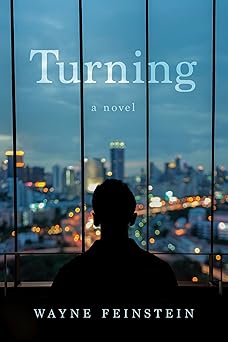
Turning by Wayne Feinstein
What if the loudest room you’ve ever entered was your own memory? Discover how Turning by Wayne Feinstein explores that unexpected question in our full review.
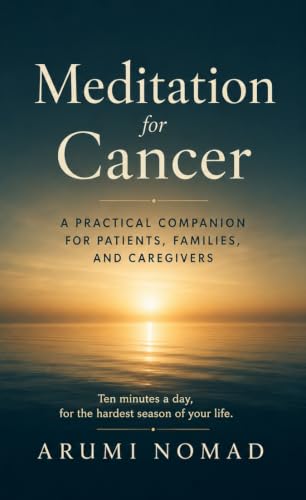
Meditation for Cancer: A Practical Companion for Patients, Families and Caregivers by Arumi Nomad
What if the strongest medicine you carried couldn’t fit inside a bottle? Discover how Meditation for Cancer by Arumi Nomad explores that surprising question in our complete review.
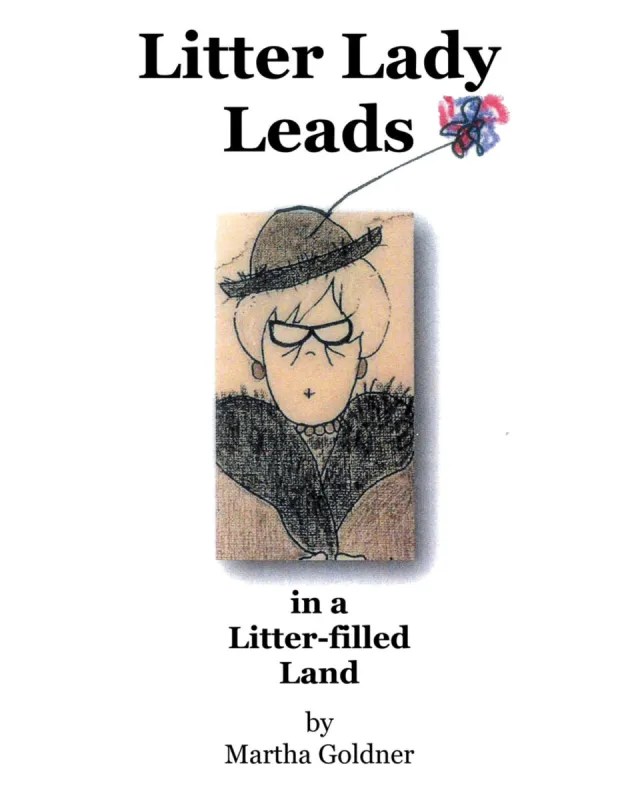
Litter Lady Leads by Martha Goldner
Can one person’s strange habit quietly change an entire neighborhood? Discover why Litter Lady Leads by Martha Goldner asks an unexpected question—and why the full story offers the answer.


