

Have you ever wondered why certain memories resurface only when life grows unbearably quiet? This write-up explores how one woman uncovers that answer—quietly, steadily, and only if you read on.
Book title and author
Learning to Say Goodbye by Alexandra Dionisio
Genre, sub-genres, themes
- Genre: Memoir
- Sub-genres: Grief narrative, spiritual autobiography, hospice and caregiving memoir
- Themes: Loss, love, parenthood, intuition, resilience, presence, meaning-making, compassion, identity, spirituality
Review
Memoirs about loss often fall into two camps: those that retell events and those that translate them. Learning to Say Goodbye belongs firmly to the latter. It translates grief into experiences that feel strangely familiar—even to readers who have never sat beside a hospice bed. The book moves between countries and eras, yet its emotional geography is always the same: the space where love persists even when language falters.
What makes the narrative unconventional is not its subject matter but its method. The author pairs real-world hospice work with moments of deep intuition that she doesn’t force the reader to believe—she only asks us to witness how they shaped her journey. In one scene, the narrator helps a family communicate through presence rather than words, echoing what research shows about nonverbal attunement between caregivers and patients. Neuroscience tells us that humans exchange emotional information silently through breath, posture, heart-rate synchrony, and micro-expressions; the book’s scenes align with this evidence even when framed through spiritual vocabulary.
The writing’s strength lies in specificity. Whether describing a Berlin café with the smell of roasted beans in the air or a small Los Angeles bedroom where a family gathers around a child’s bed, the details invite the reader to slow down. They echo what psychology calls the “attentional narrowing” that happens in moments of emotional peak—time seems to stretch, and the smallest sensations become markers of meaning. This quality gives the book a cinematic calm in places where other authors might rush.
A moving thread throughout is the narrator’s evolving relationship with Trust—capitalized in the book as though it were both a concept and a companion. Trust functions like a psychological anchor. Modern grief studies note that people who adapt well after loss often develop what researchers term “internalized secure base imagery.” The narrator’s Trust reads like exactly that: a stabilizing inner orientation rather than a leap into the mystical.
Those who prefer their memoirs strictly literal may struggle with the author’s openness to signs, synchronicities, and intuitive impressions. Yet even readers wary of metaphysical explanations will find that the book keeps its feet firmly on the ground. The spiritual moments are presented alongside self-doubt, humor, and the unglamorous details of everyday life—school pickups, marital banter, market errands. This duality keeps the book honest.
Who is the book for? For readers who have loved someone deeply enough to fear losing them. For those who sit awake at night wondering how ordinary people endure extraordinary pain. For people curious about hospice work and the subtle emotional skills required to show up for others without collapsing into their suffering. It is less suited for readers seeking plot-driven narrative or those uncomfortable with reflective, interior storytelling.
Ultimately, Learning to Say Goodbye does not aim to teach you how to avoid grief. It offers something harder and more valuable: a way to stay present to it without losing yourself. In an age fixated on speed, certainty, and solutions, this memoir argues for slowness, curiosity, and the kind of courage that looks like gentleness.
Content Warning
This review discusses themes of terminal illness, caregiving, and loss as depicted in the book.
Other Stories
Book Review of In My Mother’s Footsteps: Poems of Love & Loss by Rachel Peck and Barbara Dickenson
Can a jam tart, a snowflake, or an old chair remember someone better than we can? In In My Mother’s Footsteps by Rachel Peck, read the review to find out.
Keep reading
Book Review: Welcome to Mapleberg by Tye Burroughs
What if a town became so orderly that finding the truth became the real crime? Welcome to Mapleberg by Tye Burroughs explores that question; read the full review to discover.
Keep reading
Book Review: Tesler & the Burning Bush by Mark W. Sasse
What happens when the richest man alive decides that civilization is the problem? Tesler & the Burning Bush asks an unsettling question readers can explore by reading the full review.
Keep reading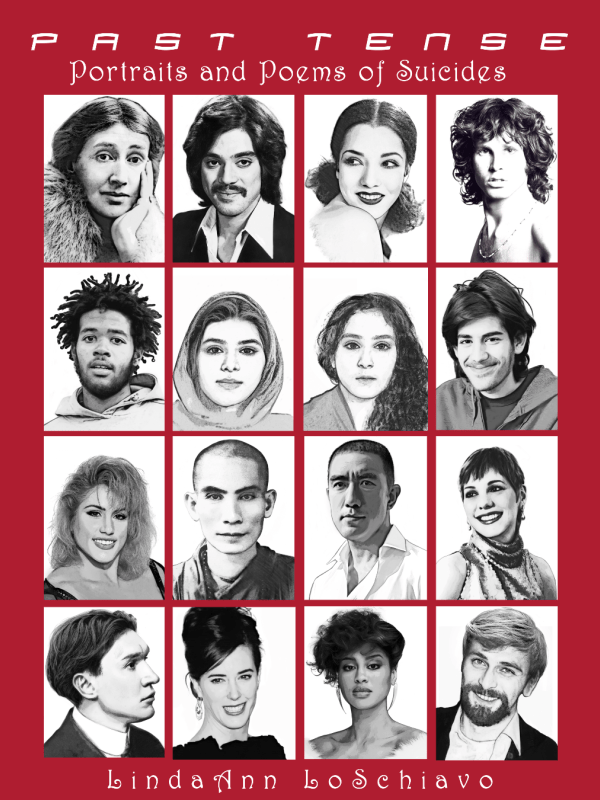
Past Tense by LindaAnn LoSchiavo
Can twenty-three different poetic forms make silence speak without pretending to know everything? Past Tense by LindaAnn LoSchiavo invites readers to investigate through poetry together.
Keep reading
Rajat Chohda: Exploring Conscious Living Through Reflection and Everyday Practice
Can a question about an ordinary family conversation change how you define success? Rajat Chohda explores this journey through his experiences, ideas, and writing; read the full interview to discover.
Keep readingWe’d love to hear from you!
What are your thoughts on this piece? Share your insights in the comments below!
- What stood out to you most about this post?
- Have you read a book recently that relates to the themes discussed here?
- What’s your favorite takeaway or reflection from this write-up?
Let’s keep the conversation going—your thoughts make this space richer!
Disclaimer: The content on this site is provided for informational and inspirational purposes only. While we strive for accuracy, the views expressed in reviews, articles, and recommendations are subjective and may not reflect the opinions of all readers.
We receive complimentary copies of all books we review. However, this practice does not compromise the integrity or honesty of our reviews. Every write-up reflects the contributor’s genuine impressions and critical analysis, ensuring transparency and trust with our readers.
For a complete understanding of our practices, please refer to our full Disclaimer, Privacy Policy, and Terms of Service. These documents outline how we manage your information, ensure transparency, and uphold your rights as a user.
To request for a review, to nominate your favorite book for an award, or for more details about our awards, click here.
Other Stories
Turning by Wayne Feinstein
What if the loudest room you’ve ever entered was your own memory? Discover how Turning by Wayne Feinstein explores that unexpected question in our full review.
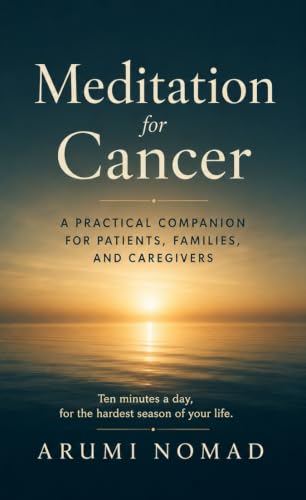
Meditation for Cancer: A Practical Companion for Patients, Families and Caregivers by Arumi Nomad
What if the strongest medicine you carried couldn’t fit inside a bottle? Discover how Meditation for Cancer by Arumi Nomad explores that surprising question in our complete review.
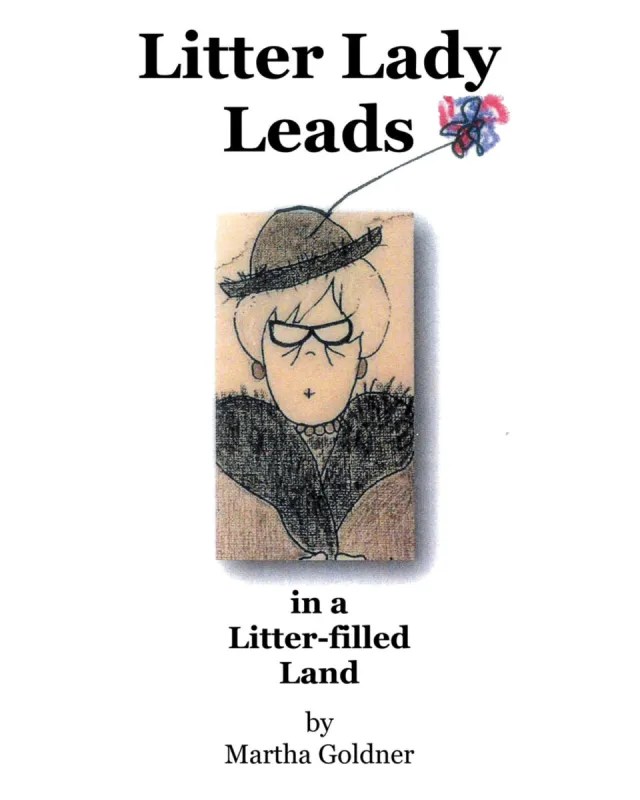
Litter Lady Leads by Martha Goldner
Can one person’s strange habit quietly change an entire neighborhood? Discover why Litter Lady Leads by Martha Goldner asks an unexpected question—and why the full story offers the answer.


