

What if your hometown’s peace hid something ancient, breathing beneath its lake? Discover how one woman’s return home unravels the truth that should have stayed buried in Lovely.
Lovely by Rin Sangar
Genre: Psychological Horror, Mystery, Literary Fiction
Sub-genres: Southern Gothic, Psychological Thriller, Folklore Horror
Themes: Guilt, generational trauma, small-town corruption, the uncanny, human fragility
Review
There’s a special kind of horror in recognizing your own reflection in a story’s darkness, and Rin Sangar’s Lovely thrives on that discomfort. The novel paints a portrait of a town so still it seems embalmed in its own sins, with the deceptively named “Lovely” serving as both a setting and a living antagonist. Its cracked sidewalks and whispering trees conceal histories of disappearance, violence, and something worse: complicity.
Heather Strand, freshly discharged from a psychiatric facility, returns home with more scars than souvenirs. Her reunion with her estranged father and the ghost of her past feels less like a homecoming and more like an exhumation. When a child’s body rises from the local lake, Heather’s fragile grip on recovery is tested against the town’s collective denial. Sangar never resorts to jump scares; her horror grows like mold—quietly, patiently, inevitably.
The prose is elegant but unflinching. Sangar writes pain with surgical precision: each line deliberate, each image lingering just long enough to feel real. Her depiction of mental illness avoids sensationalism; instead, Heather’s self-destruction feels heartbreakingly human, her moments of calm as precarious as glass. The novel’s horror isn’t supernatural for much of its length—it’s emotional, embedded in memory, in what the townsfolk refuse to name.
Still, there’s something else beneath Lovely’s surface. The interwoven vignettes—stretching across decades—suggest an old, parasitic presence that mimics and feeds off the living. It’s unclear whether this is literal or metaphorical, which is precisely the point. Sangar balances ambiguity with dread, leaving readers unsure whether the evil is cosmic or simply human rot disguised as folklore.
The structure, jumping between timelines and voices, is ambitious and effective. Each chapter feels like peeling away another layer of sediment—old deaths, covered-up crimes, family secrets that never decayed properly. The cumulative effect is suffocating but mesmerizing. The novel refuses to let you look away, even when it forces you to confront the ugliness of ordinary people.
Stylistically, Sangar channels the poetic bleakness of Gillian Flynn and the mythic unease of Shirley Jackson. Her world is not just haunted—it is haunting. Even moments of tenderness between Heather and Tyler, her childhood friend, are colored by decay and doomed intimacy. The romantic tension becomes another thread in the town’s tapestry of slow violence.
This book isn’t for readers who want clean resolutions or neat moral boundaries. It’s for those who understand that horror can be beautiful, that sometimes the monster wears a familiar face. Readers seeking light-hearted mystery or conventional thriller pacing may find it oppressive. But for those drawn to literary horror that examines the soul as much as it chills the blood, Lovely is extraordinary.
Content Warning:
Contains strong language, sexual content, self-harm, self-harm, child death, and psychological trauma.
Other Stories
Book Review of In My Mother’s Footsteps: Poems of Love & Loss by Rachel Peck and Barbara Dickenson
Can a jam tart, a snowflake, or an old chair remember someone better than we can? In In My Mother’s Footsteps by Rachel Peck, read the review to find out.
Keep reading
Book Review: Welcome to Mapleberg by Tye Burroughs
What if a town became so orderly that finding the truth became the real crime? Welcome to Mapleberg by Tye Burroughs explores that question; read the full review to discover.
Keep reading
Book Review: Tesler & the Burning Bush by Mark W. Sasse
What happens when the richest man alive decides that civilization is the problem? Tesler & the Burning Bush asks an unsettling question readers can explore by reading the full review.
Keep reading
Past Tense by LindaAnn LoSchiavo
Can twenty-three different poetic forms make silence speak without pretending to know everything? Past Tense by LindaAnn LoSchiavo invites readers to investigate through poetry together.
Keep reading
Rajat Chohda: Exploring Conscious Living Through Reflection and Everyday Practice
Can a question about an ordinary family conversation change how you define success? Rajat Chohda explores this journey through his experiences, ideas, and writing; read the full interview to discover.
Keep readingWe’d love to hear from you!
What are your thoughts on this piece? Share your insights in the comments below!
- What stood out to you most about this post?
- Have you read a book recently that relates to the themes discussed here?
- What’s your favorite takeaway or reflection from this write-up?
Let’s keep the conversation going—your thoughts make this space richer!
Disclaimer: The content on this site is provided for informational and inspirational purposes only. While we strive for accuracy, the views expressed in reviews, articles, and recommendations are subjective and may not reflect the opinions of all readers.
We receive complimentary copies of all books we review. However, this practice does not compromise the integrity or honesty of our reviews. Every write-up reflects the contributor’s genuine impressions and critical analysis, ensuring transparency and trust with our readers.
For a complete understanding of our practices, please refer to our full Disclaimer, Privacy Policy, and Terms of Service. These documents outline how we manage your information, ensure transparency, and uphold your rights as a user.
To request for a review, to nominate your favorite book for an award, or for more details about our awards, click here.
Other Stories
Turning by Wayne Feinstein
What if the loudest room you’ve ever entered was your own memory? Discover how Turning by Wayne Feinstein explores that unexpected question in our full review.
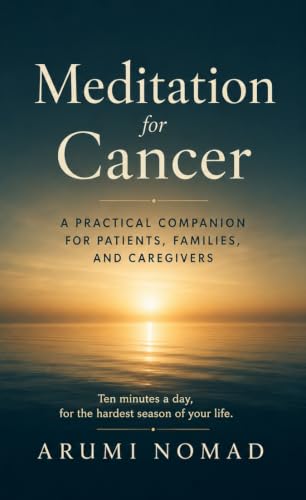
Meditation for Cancer: A Practical Companion for Patients, Families and Caregivers by Arumi Nomad
What if the strongest medicine you carried couldn’t fit inside a bottle? Discover how Meditation for Cancer by Arumi Nomad explores that surprising question in our complete review.
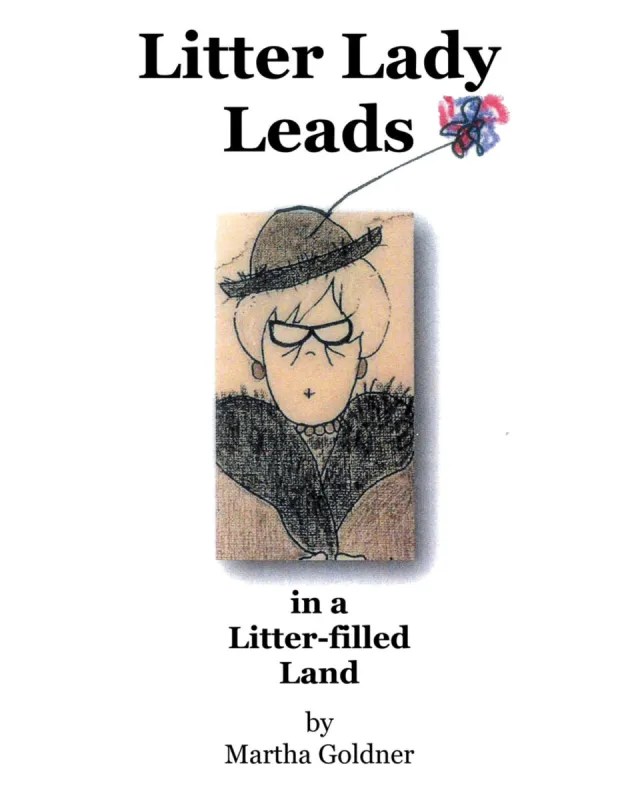
Litter Lady Leads by Martha Goldner
Can one person’s strange habit quietly change an entire neighborhood? Discover why Litter Lady Leads by Martha Goldner asks an unexpected question—and why the full story offers the answer.


