
If adults were honest, we’d admit we often overcomplicate the concept of love. We debate it, dissect it, attach expectations to it. We write volumes of poetry, compose symphonies, and fill self-help shelves trying to decode it. But children? They just get it.
Gabriella Fiorletta’s What I See Is Love doesn’t attempt to define love—it simply points to where it lives. In doing so, it restores something many grownups have lost: the ability to notice. A dog’s tail wag, the smell of croissants, a classmate’s hand in yours. The book doesn’t claim these moments are metaphors for love; it asserts—simply and without apology—that they are love. And children, of course, believe it without question.
What makes this book quietly radical is not its soft illustrations or tender tone (both of which are lovely), but its refusal to treat children like unfinished adults. Fiorletta gives them credit. She writes not to explain love, but to celebrate their instinctive understanding of it. The repetition of “What I see is love” isn’t just a literary device—it’s a heartbeat. One that paces the story like a lullaby, calming and affirming at once.
The scenes are unhurried: a morning goodbye, a shared cookie, a bedtime mantra. Nothing explodes. No one goes on a quest. And yet, the emotional world the book creates is expansive. It lets children see their lives reflected with dignity and depth—without ever straining to be profound.
There’s a page where the child protagonist wonders aloud what would happen if fire-breathing unicorns or hungry dinosaurs came to visit. It’s a silly, honest fear, met not with correction but with reassurance: we’ll leave out snacks, just in case. There’s something almost rebellious in that response—it values emotional safety over realism. It leans into the absurd because the absurd is often how children express what they’re truly afraid of. Instead of brushing it off, the book enters the fear and answers it with gentleness.
For kids who have a parent in uniform, who’ve stood on a porch waving goodbye to someone they love, this book gives their experience a name: love. It doesn’t dramatise their feelings or flatten them into lessons. It just allows those moments to exist and be acknowledged. For kids who feel different, or shy, or unsure of their place in a group, this book creates space too. It models invitation, inclusion, and kindness—not as slogans but as natural choices.
What I See Is Love isn’t a lesson in morality. It’s an observation of truth. And that truth is simple: kids see what we miss. They see love in the small, the silly, the slow. This book trusts them to keep seeing it. And maybe, just maybe, it helps us remember how to see it too.
Excellence in Literature Award
The Excellence in Literature Award is a tribute to the timeless power of storytelling. We recognise works that transcend fleeting trends—books that resonate deeply and linger long after the final page. Whether bold and boundary-breaking or quietly powerful, these stories reflect true literary excellence.
This award encompasses a wide literary landscape—from genre fiction to poetic reflections, from contemporary gems to historical epics. At its heart, it celebrates writers who demonstrate mastery, originality, and the ability to connect with readers on a meaningful level.
We’d love to hear from you!
What are your thoughts on this piece? Share your insights in the comments below!
- What stood out to you most about this post?
- Have you read a book recently that relates to the themes discussed here?
- What’s your favorite takeaway or reflection from this write-up?
Let’s keep the conversation going—your thoughts make this space richer!
Disclaimer: The content on this site is provided for informational and inspirational purposes only. While we strive for accuracy, the views expressed in reviews, articles, and recommendations are subjective and may not reflect the opinions of all readers.
We receive complimentary copies of all books we review. However, this practice does not compromise the integrity or honesty of our reviews. Every write-up reflects the contributor’s genuine impressions and critical analysis, ensuring transparency and trust with our readers.
For a complete understanding of our practices, please refer to our full Disclaimer, Privacy Policy, and Terms of Service. These documents outline how we manage your information, ensure transparency, and uphold your rights as a user.
To request for a review, to nominate your favorite book for an award, or for more details about our awards, click here.
Other Stories
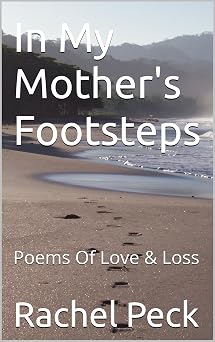
Book Review of In My Mother’s Footsteps: Poems of Love & Loss by Rachel Peck and Barbara Dickenson
Can a jam tart, a snowflake, or an old chair remember someone better than we can? In In My Mother’s Footsteps by Rachel Peck, read the review to find out.
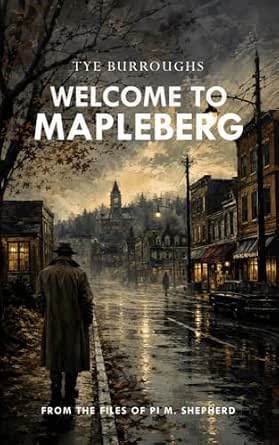
Book Review: Welcome to Mapleberg by Tye Burroughs
What if a town became so orderly that finding the truth became the real crime? Welcome to Mapleberg by Tye Burroughs explores that question; read the full review to discover.
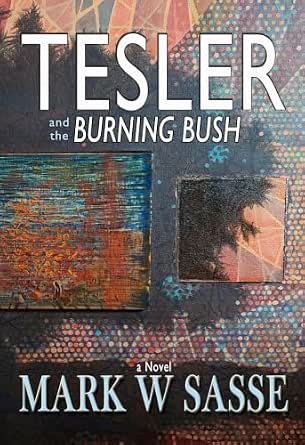
Book Review: Tesler & the Burning Bush by Mark W. Sasse
What happens when the richest man alive decides that civilization is the problem? Tesler & the Burning Bush asks an unsettling question readers can explore by reading the full review.