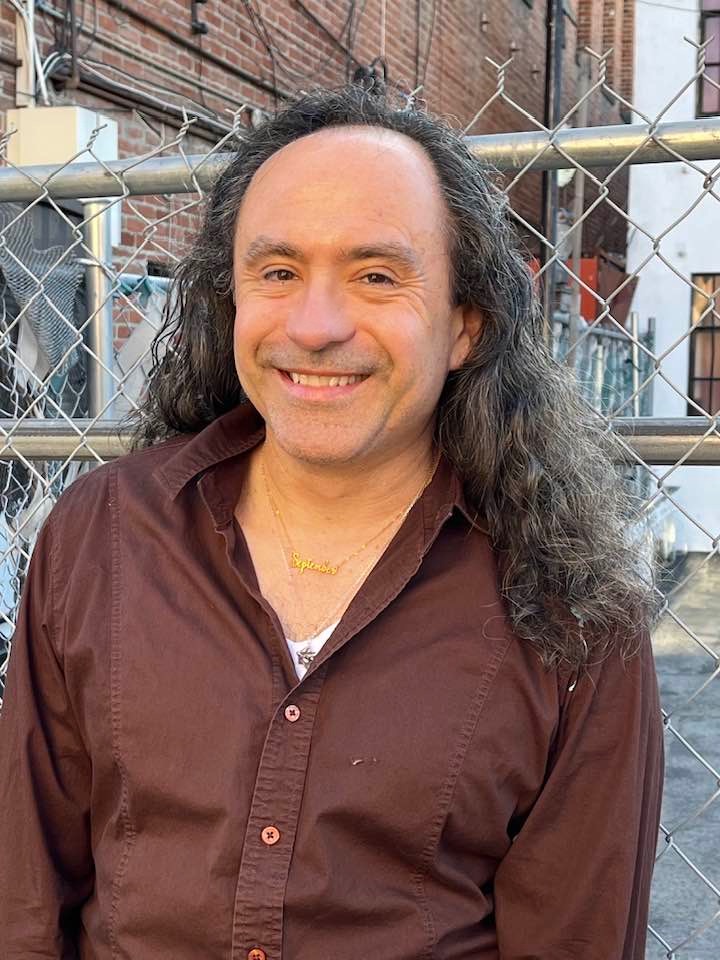
Harker Jones is a Los Angeles–based writer and editor whose work spans fiction for adults, young readers, and the screen. In this interview, Jones discusses his approach to storytelling, genre flexibility, and writing for children, offering insight into how ideas take shape across formats and audiences.
Harker, thank you for joining us. To start, could you introduce yourself in your own words—what you do, the kind of work you create, and what you currently aim for as a storyteller?
I’m Harker Jones, a writer and editor living in Los Angeles. I’ve been writing since I was 13, growing up on a dirt road in Michigan. I have three award-winning books: a love story called Until September, a young-adult thriller called Never Have I Ever, and a children’s book titled The Bird Who Was Afraid to Fly.
I have several completed screenplays—horror and comedy—and am actively pitching them to producers and managers. I’ve won some awards and contests and placed in other contests, and have two produced shorts that were also very successful. What I intend to inspire through my work is thought. I would like to help people grow, but even if they just think for a bit—even if they don’t grow—I would count that as a win. Not to say I have all the answers, but I have a singular viewpoint, as we all do!
Many writers move across different formats and age groups. What drew you to explore storytelling for younger readers at this stage of your career?
I had ideas for children’s books knocking around in my head for years, and I finally just prioritized them. I have two others written—Violet’s Pretty Purple Playground, about a little girl who loves purple so much she wishes for the whole world to be purple, and Henry’s Horn, about a unicorn who fears his friends will move on without him when his horn doesn’t change color as he matures—and need to get an illustrator for each.
I remember the wonder of the world when I was a child, both in real life and in books, and I like the chance to help teach children valuable lessons without preaching to them.
Stories about fear and courage resonate across all ages. What motivated you to explore these themes through a gentle narrative rather than a high-intensity one?
I suppose it’s because I was a sensitive child growing up, and I would have wanted to learn my lessons in a gentle way myself. I think, especially with children, a spoonful of sugar goes a long way. Approach them softly, and your words will land harder.
Without discussing plot specifics, what kind of emotional experience did you hope readers—especially younger ones—would take away from this story?
I hope children—or any reader—come away with an understanding that we all have fears and that there are myriad ways we can overcome them. There’s no shame in being afraid. It’s your brain protecting you!
And the bigger lesson I hope people come away with is that it is OK to ask for help. I struggle with that all the time, and I know I’m not alone. And it is absolutely OK to ask for help. Sometimes we just need to be reminded of that.
Your work spans multiple genres. How does writing for children change your creative process compared to writing for older audiences?
I don’t know if my process changed. When ideas come, they just come. I mean, I have a crippling fear of falling myself, which is why I went with that as a subject, but I could have written a thriller about that. The ideas just come.
I hesitate to say “fully formed,” because obviously they gestate from idea until final form, but this idea presented itself as a children’s book.
You have spent time in editorial and critical roles. How has evaluating other people’s work influenced the way you approach your own writing?
I think it has helped me identify some crutches I have, like the overuse of certain words. We all have words we default to, in conversation as well as in writing, but it’s different if you’re sending a text versus crafting a novel or a poem or what have you.
So I don’t know if I would have been aware of mine (and who knows how many others I have that I’m still not aware of!) if I hadn’t been assessing others’ work as well.
Every creative project has moments of uncertainty. What helped you stay grounded during the development of this particular story?
Because it’s neither a picture book nor a chapter book, I was concerned that the prose in The Bird Who Was Afraid to Fly might be too literate for small children. It’s really aimed to be read to children, perhaps ages 7 to 9, so adults can explain some of the more advanced words—though with a Kindle or other e-reader, you can just click on a word to learn its meaning, which is wonderful.
But I grappled with whether I should make the prose simpler or not, knowing that I would risk alienating readers who didn’t get what they expected. I talked to the illustrator, Sara Angus, and she confirmed that I should see my vision through, and the book would find its audience. I’d rather be true to my vision and know the book will find its audience than chase a broader audience. I may not reach as many people that way, but I will reach the right people!
Many readers look for stories that help them tackle everyday challenges. What conversations do you hope families, educators, or young readers might have after reading this book?
I’m hoping for the book to open up discussions with children, so they understand that it’s OK to ask for help. And it’s also OK if you don’t know you need that help.
Sometimes we’re so caught up in our insecurity and fear and anxiety, we’re in a fog and can’t figure out north from south, so, like Sam, we end up not moving at all. That’s when you should call out for help, or someone should reach out to you and help you clear the fog. Parents and educators can help elucidate that headspace for children who may not have the ability yet to understand and process it on their own.
Over the years, your projects have reached different audiences and platforms. Looking back, which creative milestones stand out to you most, and what do they represent personally?
I think the biggest milestone was the reception Until September got. I thought it would be a hard sell (I mean, it wasn’t not, but it also wasn’t as hard as I anticipated), so I’m grateful people—critics and contests—embraced it like they did, considering it is a bleak love story and people often expect a romance novel.
I’ve also been heartened by the response to The Bird Who Was Afraid to Fly. It’s not quite a picture book, but it’s also not a chapter book. It doesn’t slot easily into a pre-arranged genre, but critics and contests have really embraced it.
And, honestly, I just started writing song lyrics a year and a half ago, and to have one of my songs place third in the Hammond House International Literary Prize contest blew my mind. And a second song made the shortlist of only six songs! Sometimes you just need some validation like that to confirm that you’re on the right track!
For writers who hope to move between multiple genres or storytelling formats, what practices have helped you build that kind of creative flexibility?
Honestly, I just kind of go where the inspiration leads me. Like, the ideas for children’s books arrive in the form of children’s books, so I go in that direction. The idea for my slasher whodunit arrived like a whisper: “This is a slasher whodunit.” I don’t know if that makes sense.
I just mean, the stories, like the characters, tell me what and who they are. I will say, though, that I think it helps any writer to be open to many types of genres. It makes you a more well-rounded storyteller.
If you were to write your bio in your own words, what would you say? What legacy would you like to leave?
I’d like for people to remember me for vivid storytelling that moved them. Whether it’s breaking hearts or lifting those hearts up, the main objective in writing fiction is to move people, to have an impact.
I’d also like to be remembered for inspiring other writers—as well as readers—to take their shot at whatever their goals are. If I hadn’t applied myself, I might never have written three award-winning books, or gotten into Mensa, or been managing editor of two national magazines, or joined the LA Drama Critics Circle, or qualified for the National Horror Writers Association.
You have to really go for it, or it will never happen—and it can happen.
Related

Book Review: Never Have I Ever by Harker Jones
Why do we love being scared? Never Have I Ever is more than just a thriller—it’s a case study in fear itself, unraveling why the unknown fascinates, terrifies, and ultimately, defines us.
Keep reading
Review of “Until September” by Harker Jones
If love were a season, would it be fleeting like spring’s cherry blossoms or endless like a desert summer? In Until September, Harker Jones dares us to explore a love story that lingers like the last warm days before autumn’s chill.
Keep readingReview of Until September by Harker Jones
Does love only feel true when it starts as a secret? Through the vivid backdrop of a summer on the cusp of change, discover Harker Jones’ Until September, where longing and identity shape every whispered moment.
Keep readingMore Posts Like This
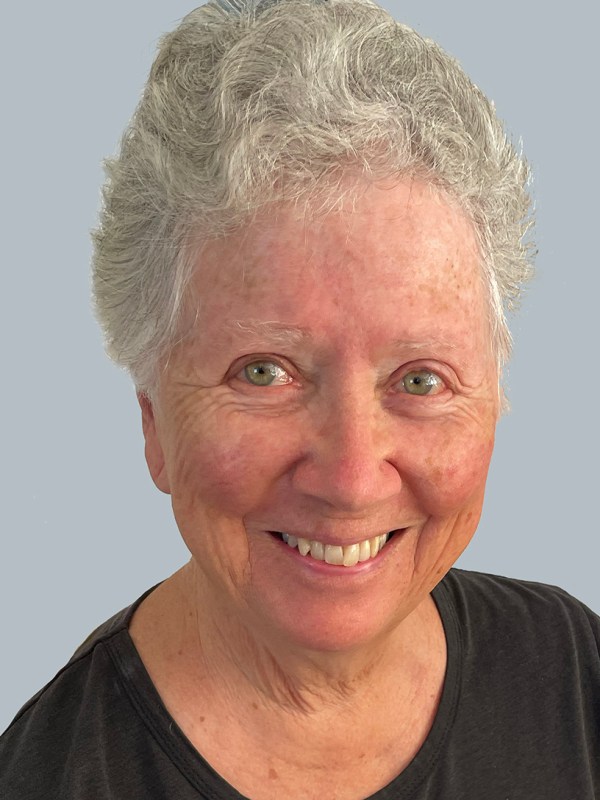
Learning from the Land: A Conversation with Cathryn Wellner on Life’s Unexpected Lessons
Ever wondered what it’s like to raise sheep, pigs, and camels while learning life lessons along the way? Cathryn Wellner shares her unexpected journey, and readers will discover how she adapted and thrived.
Keep reading
Carmella Parker on Law, Education, and Guiding Institutions Through Change
How do you teach students about laws that are still being written? This interview explores one legal educator’s answer—revealed through experience, strategy, and real-world change inside the evolving legal landscape.
Keep reading
Shannon O’Brien on Travel, Teaching, and Redefining Home
Can a backpack become a home and a classroom at the same time? This interview follows one teacher-writer’s journey to find out—revealed through travel, reflection, and lived experience.
Keep reading
Leon Mitchell on Imagination, Resilience, and Finding the Extraordinary in the Ordinary
What if imagination isn’t an escape but a survival skill you forgot you had? This interview explores that idea—revealed through childhood wonder, discipline, and stories that reflect who we are.
Keep reading
Danielle Simone on Curiosity, Courage, and Learning Through Story
Have you ever wondered what happens when curiosity goes missing in childhood? This interview explores one educator-author’s response—and how stories can invite exploration, reflection, and care for the world around us.
Keep readingWe’d love to hear from you!
What are your thoughts on this piece? Share your insights in the comments below!
- What stood out to you most about this post?
- Have you read a book recently that relates to the themes discussed here?
- What’s your favorite takeaway or reflection from this write-up?
Let’s keep the conversation going—your thoughts make this space richer!
Disclaimer: The content on this site is provided for informational and inspirational purposes only. While we strive for accuracy, the views expressed in reviews, articles, and recommendations are subjective and may not reflect the opinions of all readers.
We receive complimentary copies of all books we review. However, this practice does not compromise the integrity or honesty of our reviews. Every write-up reflects the contributor’s genuine impressions and critical analysis, ensuring transparency and trust with our readers.
For a complete understanding of our practices, please refer to our full Disclaimer, Privacy Policy, and Terms of Service. These documents outline how we manage your information, ensure transparency, and uphold your rights as a user.
To request for a review, to nominate your favorite book for an award, or for more details about our awards, click here.
Other Stories
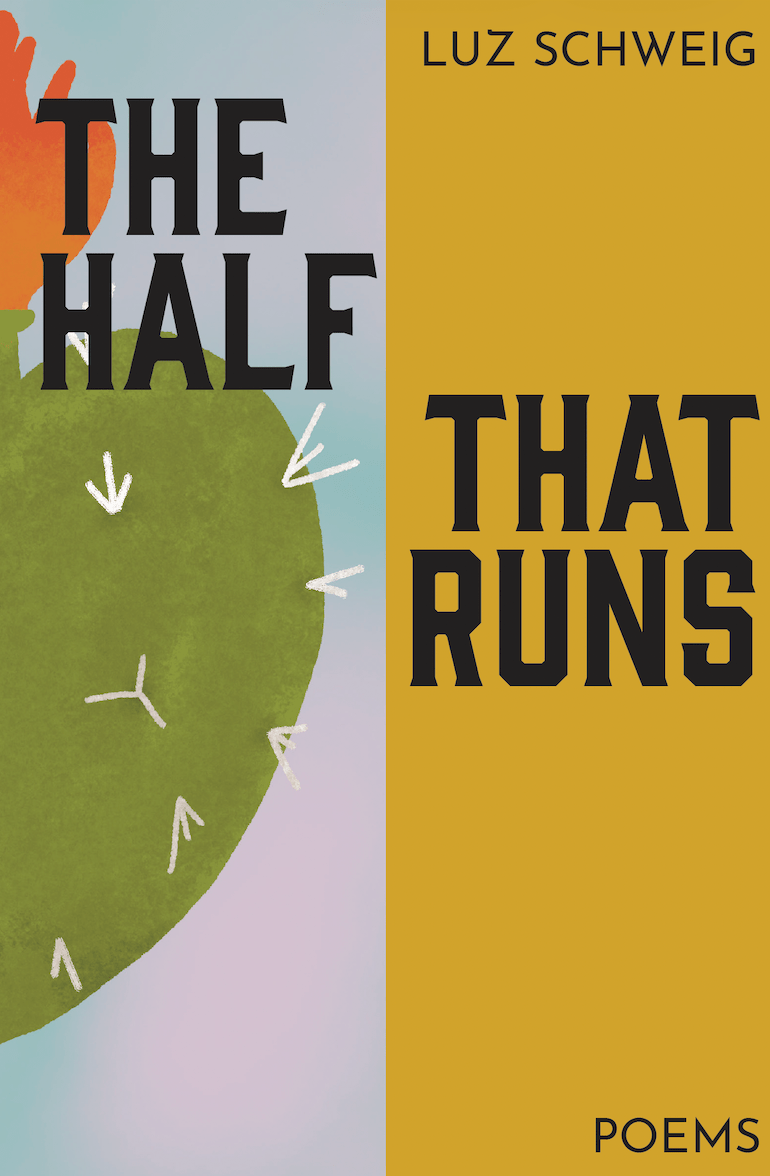
The Half That Runs by Luz Schweig
What if your memories had a geography—one that kept shifting under your feet like sand? Discover how The Half That Runs by Luz Schweig maps identity—read the full piece.
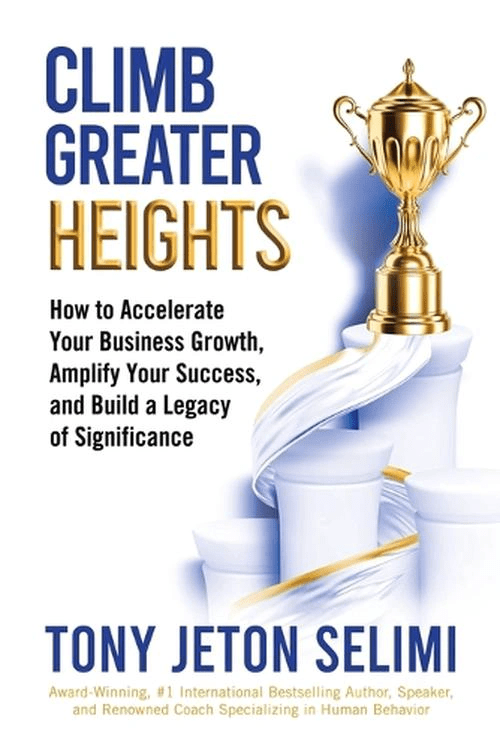
Book Review: Climb Greater Heights by Tony Jeton Selimi
What if your biggest business obstacle isn’t competition but something invisible within you? Discover the answer in Climb Greater Heights by Tony Jeton Selimi—read the full review to explore.
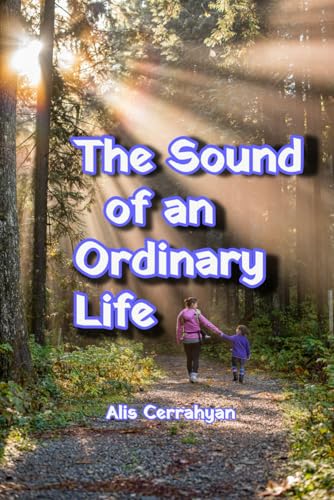
Review of The Sound of an Ordinary Life by Alis Cerrahyan
There are many ways to tell the story of a life. Some choose grand narratives, sweeping arcs of triumph and tragedy. Others, like The Sound of an Ordinary Life, find meaning in the quiet spaces, the moments that seem small but carry the entire weight of a person’s existence.

 OneTribune