
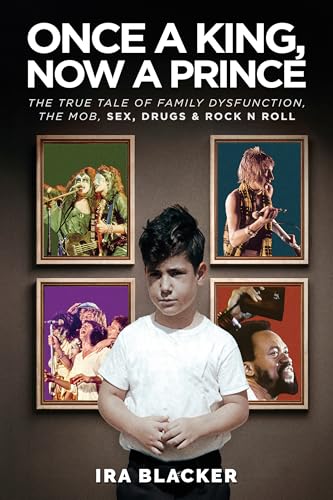
What happens when imagination becomes a survival skill instead of a pastime? Once A King, Now A Prince by Ira Blacker reveals the answer—if you’re willing to follow the journey.
Book Information
Once A King, Now A Prince by Ira Blacker
Genre: Autobiography / Memoir
Sub-genres: Trauma memoir, coming-of-age, music-industry backstory
Themes: Resilience, childhood adversity, identity, imagination, survival, self-worth
Review
Some memoirs try to impress. Others try to confess. Once A King, Now A Prince does neither. Instead, it remembers—sometimes sharply, sometimes unevenly, but always honestly.
Ira Blacker’s story unfolds in a version of New York that no longer exists: a city of walk-up apartments, public institutions that blurred care with control, and families that often believed silence was discipline. From the earliest pages, it becomes clear that this is not a tale of nostalgia but of adaptation. When a child lacks safety, the mind improvises. Psychologists have long noted that imagination can function as a coping mechanism in unstable environments, and this book demonstrates that principle not as theory but as lived experience.
The prose often reads like memory itself—associative, episodic, occasionally repetitive. That structure may frustrate readers looking for a tightly plotted narrative, but it mirrors the way early experiences imprint themselves: not as neat chapters, but as fragments that resurface when least expected. Blacker does not present himself as heroic or polished. He presents himself as observant, wounded, sometimes confused, and often surprisingly perceptive.
Music quietly anchors the book. Long before it becomes a career path, it appears as refuge. Neuroscience confirms that music can regulate stress responses and provide emotional grounding, especially in young people. In this memoir, records, radios, and rhythms function as lifelines—small, portable freedoms in a world with few exits.
What makes the book compelling is not shock value, but persistence. The author survives systems that mislabel, adults who misunderstand, and environments that offer little explanation. Yet the narrative avoids bitterness as a destination. Humor appears in unexpected places, not to excuse pain, but to make it survivable. That tonal balance—between gravity and wit—is one of the book’s quiet strengths.
This is a book for readers interested in psychological resilience, mid-century urban life, and the long-term effects of childhood environments. It will resonate with those who appreciate memoirs that prioritize emotional truth over narrative polish. It is not for readers seeking comfort, quick inspiration, or simplified redemption arcs. The growth here is incremental, uneven, and human.
Ultimately, Once A King, Now A Prince is less about reclaiming a throne than understanding how identity is shaped when power is absent. It suggests that becoming oneself is not a single triumph, but a long negotiation with memory—and that survival, while unglamorous, is its own quiet form of achievement.
Content Warning
This book contains discussions of childhood abuse, institutionalization, psychological trauma, and non-graphic references to sexual exposure. Reader discretion is advised.
Other Stories
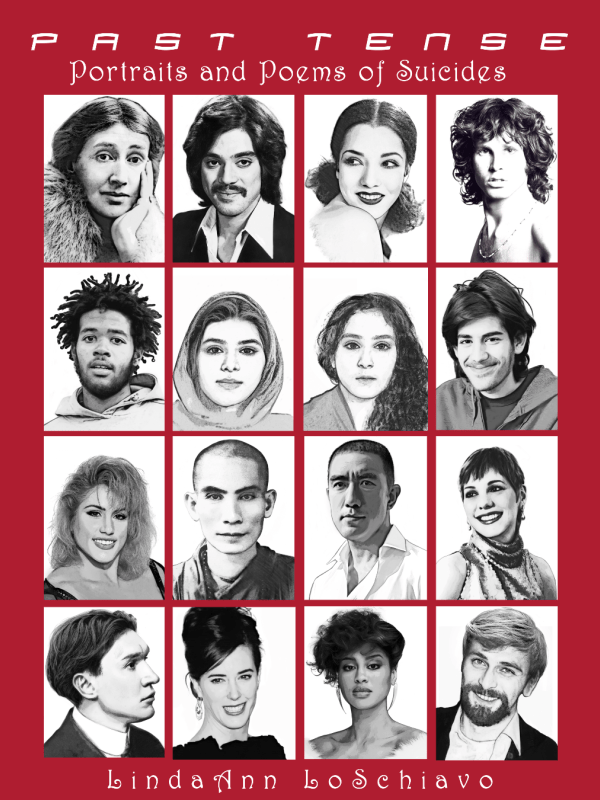
Past Tense by LindaAnn LoSchiavo
Can twenty-three different poetic forms make silence speak without pretending to know everything? Past Tense by LindaAnn LoSchiavo invites readers to investigate through poetry together.
Keep reading
Rajat Chohda: Exploring Conscious Living Through Reflection and Everyday Practice
Can a question about an ordinary family conversation change how you define success? Rajat Chohda explores this journey through his experiences, ideas, and writing; read the full interview to discover.
Keep reading
Turning by Wayne Feinstein
What if the loudest room you’ve ever entered was your own memory? Discover how Turning by Wayne Feinstein explores that unexpected question in our full review.
Keep reading
Meditation for Cancer: A Practical Companion for Patients, Families and Caregivers by Arumi Nomad
What if the strongest medicine you carried couldn’t fit inside a bottle? Discover how Meditation for Cancer by Arumi Nomad explores that surprising question in our complete review.
Keep reading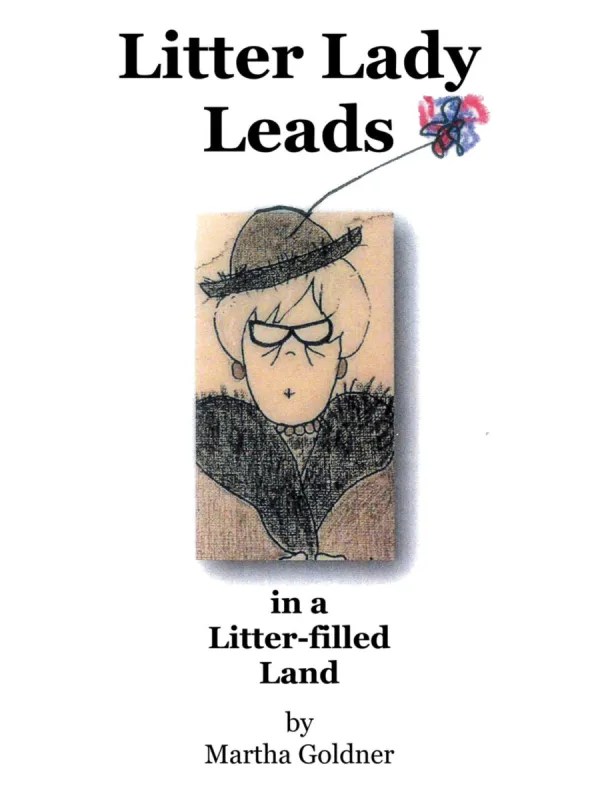
Litter Lady Leads by Martha Goldner
Can one person’s strange habit quietly change an entire neighborhood? Discover why Litter Lady Leads by Martha Goldner asks an unexpected question—and why the full story offers the answer.
Keep readingWe’d love to hear from you!
What are your thoughts on this piece? Share your insights in the comments below!
- What stood out to you most about this post?
- Have you read a book recently that relates to the themes discussed here?
- What’s your favorite takeaway or reflection from this write-up?
Let’s keep the conversation going—your thoughts make this space richer!
Disclaimer: The content on this site is provided for informational and inspirational purposes only. While we strive for accuracy, the views expressed in reviews, articles, and recommendations are subjective and may not reflect the opinions of all readers.
We receive complimentary copies of all books we review. However, this practice does not compromise the integrity or honesty of our reviews. Every write-up reflects the contributor’s genuine impressions and critical analysis, ensuring transparency and trust with our readers.
For a complete understanding of our practices, please refer to our full Disclaimer, Privacy Policy, and Terms of Service. These documents outline how we manage your information, ensure transparency, and uphold your rights as a user.
To request for a review, to nominate your favorite book for an award, or for more details about our awards, click here.
Other Stories
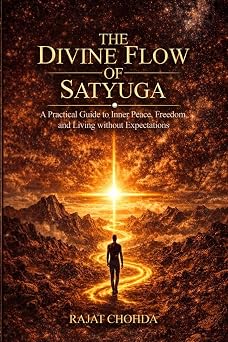
The Divine Flow of Satyuga by Rajat Chohda
What if the heaviest suitcase you carry has no handle and no weight? Discover how The Divine Flow of Satyuga by Rajat Chohda explores that mystery in the full review.
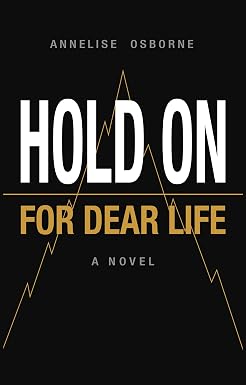
Hold On for Dear Life by Annelise Osborne
What if the greatest investment you ever made wasn’t money but trust? Discover how Hold On for Dear Life by Annelise Osborne explores that question in the review below.
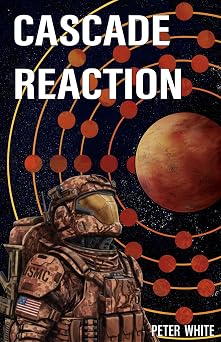
Cascade Reaction by Peter White
What if the safest place to lose humanity was the very world built to save it? Discover how Cascade Reaction by Peter White explores that unsettling possibility in the review below.


