
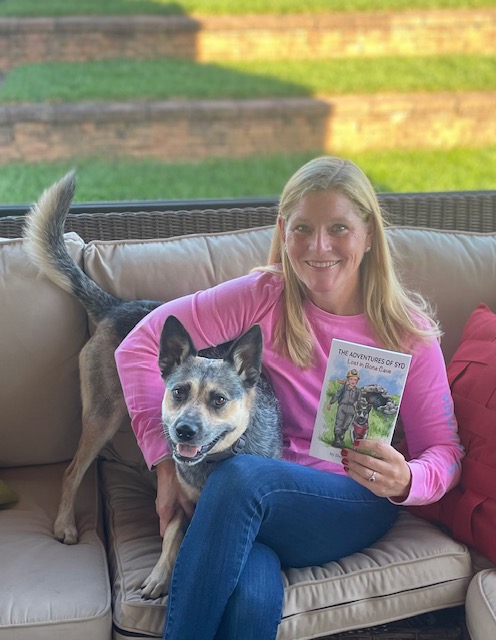
Danielle Simone brings decades of experience in early childhood education to her work as a writer focused on curiosity and environmental awareness. Drawing on years in classrooms and leadership as a preschool director, she reflects on storytelling as a way to encourage exploration, responsibility, and critical thinking. In this interview, she discusses how real places and lived experience shape her work.
Danielle, thank you for joining us. To begin, could you introduce yourself in your own words—what you do, how you describe your professional path, and what you currently aim to accomplish through your work?
I have been an Early Childhood Educator for over 30 years and am currently a Preschool Director. While I work with younger children now, I have had opportunities through the years to work with a variety of elementary ages and love this age group! Working with younger children, I have seen a decline in exploration, curiosity, and critical thinking skills. I am hopeful that my writing will not only encourage children to get outside and go exploring but will also challenge them to become good stewards of their environment.
Your writing often centers on learning through experience rather than instruction. How did that approach develop for you, and what has influenced the way you present knowledge through story?
Have you heard before that it’s not a mistake but a learning opportunity? We all learn best through experience! Each day presents itself with an opportunity to learn new things—no matter how old you are. The amazing outdoor world we have been given is nothing but a playground for learning.
Many readers notice a strong sense of place in your work. How do real environments, research, or observation shape the settings you create?
The setting for each of my books is a place I have visited and an adventure I’ve had. Of course, these are elaborated on and expanded through fiction. But at the base of each story, I have memories, journals, and old photos I can use to put myself physically in the space I am writing about. I enjoy reading adult fiction and nonfiction about the places I write about to have a current understanding.
Curiosity plays a quiet but central role in your storytelling. How do you think curiosity supports growth and problem-solving, both for characters and for readers?
Curiosity does make everything a little more interesting, doesn’t it? Trial and error is the best way to figure out a solution. Our main character, Syd, learns a few lessons this way. For the reader, I think it’s important for them to ask themselves how they would have handled a situation. What would you have done differently?
I love being on author visits at schools, and the kids always question why the main character did or didn’t make the same choice they would have. That’s awesome! It’s sparking critical thinking, empathy, and compassion.
Your stories often highlight preparation, responsibility, and adaptability. What drew you to these ideas, and why do you think they resonate with audiences today?
Maybe it’s being the daughter of a Marine or an Army wife—always be prepared! But this motto is so true. It’s important to expect the unexpected and to have a plan of action for the unexpected when it happens. I think my readers relate because many times they live in such controlled circumstances that they don’t have an opportunity to think about what might not be expected.
Without naming specific credentials, how has your professional background informed the way you balance accuracy, imagination, and accessibility in your writing?
My decades of working with kids have certainly influenced both the how and why of my writing. I was fortunate to have many opportunities for exploration, and I write about real places because I want families to have these same opportunities. While my work is fictional, it’s also set in real places just down the road.
I want kids to have an opportunity to imagine what their own adventure would look like in that setting and then, hopefully, have a chance to experience it.
Sustainability, care for shared spaces, and respect for living systems appear naturally in your work. How do you think storytelling can encourage thoughtful stewardship without becoming instructional?
We only have this one amazing world, and I am hoping to build good stewards of our environment. I hope that readers can see themselves in my stories and seize the opportunity to make the world a better place, each in their own way. Taking care of our world is a job that each of us should have, but we can certainly have lots of fun while doing it.
Over time, creators reach milestones that affirm or challenge their direction. Are there moments of recognition, progress, or unexpected feedback that have helped shape how you see your work?
I mentioned earlier school author visits—these are amazing experiences for me. I was at a visit this fall where we talked about intervening in the natural life cycle (which the main character does in my second story). I asked students to stand if they would have done the same.
It was an amazing moment where the kids realized that they didn’t see eye to eye on the topic. Their friends may have different opinions—and that’s OK! I will be including in my work some deeper thoughts that challenge mindsets. This generation needs, and is ready for, a way to see differing opinions in a safe space.
One of your books was recognized with a Wordscape Wonders Book Award from OneTribune Media. How did receiving that recognition influence your perspective on the work and its reach?
It tells me that I must be doing something right and to keep at it! My message is coming through, and others see my work as important in challenging our young readers to care for their environment.
For readers who may be encountering your work for the first time, who do you feel your stories are most suited for—and who might benefit less from this style of storytelling?
If you love the great outdoors, you will enjoy my book series. If you love a challenge and adventure, then these books are for you. If you are worried about our environment and want to play a role in saving it for future generations, you will enjoy the challenges shared.
If you wish you had this adventurous spirit, then you still should read! If you do not see our environment as changing and needing attention, then this series is not for you.
If you were to write your bio in your own words, what would you say? Looking ahead, what kind of long-term impact would you like your work to have?
Like my stories, life takes unexpected turns. I did many adventure sports with my first husband, hiked the AT, and climbed 14 peaks over 14,000 feet. My freelance work focused then on invasive species; I trained with CBF and grew bay grasses with kindergarten students, believing my work could impact the world.
I was widowed in my 30s, and that spirit changed. Fast forward twenty years to the amazing man I am married to, who gave me six grandchildren that I chose to write for, to share my stories with. Enter Lucy, the lovable blue heeler who helped change my vision toward writing for children.
As it turns out, many more kids needed to hear those stories and learn about the amazing world we live in. If one child learns from me to be a better caretaker of our world, I have succeeded.
My first book was on the long list of the Nature Generation’s Green Book Award, which encouraged me to keep writing and encouraging our children. I have been recognized by Publisher’s Weekly and Reader’s Choice Book Awards. My stories have just begun.
(Featured Image credit: Danielle Simone)
Related
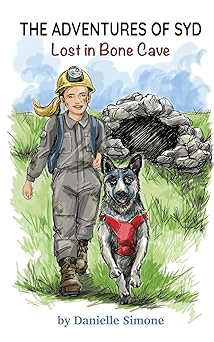
Lost in Bone Cave by Danielle Simone
What would you notice first if the dark suddenly became your only map? Lost in Bone Cave by Danielle Simone explores that question—discover how by reading the full write-up.
Keep readingMore Posts Like This
Rajat Chohda: Exploring Conscious Living Through Reflection and Everyday Practice
Can a question about an ordinary family conversation change how you define success? Rajat Chohda explores this journey through his experiences, ideas, and writing; read the full interview to discover.
Keep reading
Alder Brandon: Exploring Imagination, Storytelling, and the Craft of Building Fictional Worlds
Can a walk around the block solve a story no outline can? Discover how one young horror author transforms ideas into fiction by reading this thoughtful interview with Alder Brandon.
Keep reading
Twilla Kay Lamm: Exploring History, Character, and the Search for Truth Through Fiction
Can a childhood paper doll quietly become the beginning of a writing career? Discover how imagination, history, and life experience came together by reading this interview with Twilla Kay Lamm.
Keep reading
David A. Porter: Mapping Memory, Place, and the Moments That Stay With Us
David A. Porter is a poet and writer whose published work has appeared in a range of literary journals and reviews. Publicly available biographical information indicates that he holds an MFA in Creative Writing from San Francisco State University and has contributed to literary publishing as a co-founder and managing editor of a literary annual.…
Keep reading
Reimagining Life Through Words and Service with Debra J. White
What happens when life’s hardest blows lead to unexpected purpose? Discover how Debra turned trauma, recovery, and rescued animals into writing and volunteer work that inspires resilience and connection.
Keep readingWe’d love to hear from you!
What are your thoughts on this piece? Share your insights in the comments below!
- What stood out to you most about this post?
- Have you read a book recently that relates to the themes discussed here?
- What’s your favorite takeaway or reflection from this write-up?
Let’s keep the conversation going—your thoughts make this space richer!
Disclaimer: The content on this site is provided for informational and inspirational purposes only. While we strive for accuracy, the views expressed in reviews, articles, and recommendations are subjective and may not reflect the opinions of all readers.
We receive complimentary copies of all books we review. However, this practice does not compromise the integrity or honesty of our reviews. Every write-up reflects the contributor’s genuine impressions and critical analysis, ensuring transparency and trust with our readers.
For a complete understanding of our practices, please refer to our full Disclaimer, Privacy Policy, and Terms of Service. These documents outline how we manage your information, ensure transparency, and uphold your rights as a user.
To request for a review, to nominate your favorite book for an award, or for more details about our awards, click here.
Other Stories
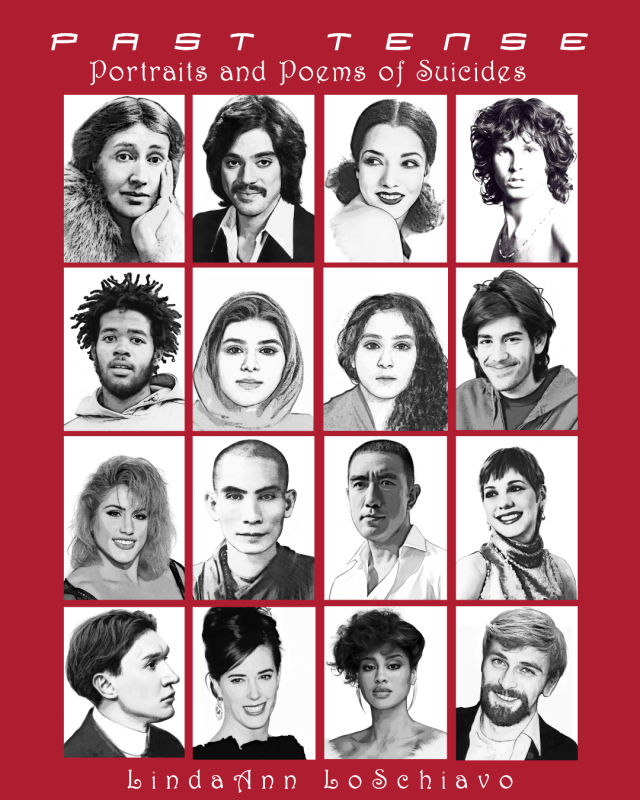
Past Tense by LindaAnn LoSchiavo
Can twenty-three different poetic forms make silence speak without pretending to know everything? Past Tense by LindaAnn LoSchiavo invites readers to investigate through poetry together.
Turning by Wayne Feinstein
What if the loudest room you’ve ever entered was your own memory? Discover how Turning by Wayne Feinstein explores that unexpected question in our full review.
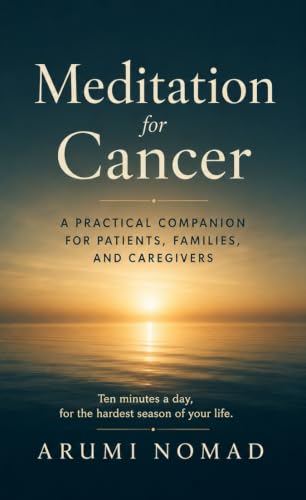
Meditation for Cancer: A Practical Companion for Patients, Families and Caregivers by Arumi Nomad
What if the strongest medicine you carried couldn’t fit inside a bottle? Discover how Meditation for Cancer by Arumi Nomad explores that surprising question in our complete review.


