
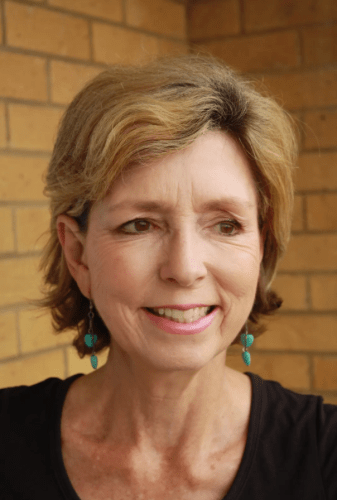
This interview explores how Gabrielle Yetter transforms ordinary moments into reflective, emotionally resonant poetry. Through her insights into human connection, perspective, and observation, she shares how small gestures and fleeting encounters can reveal profound truths about kindness, resilience, and the way we relate to one another. Readers will gain a deeper appreciation for the craft of noticing, the discipline of empathy, and the creative process behind shaping brief life snapshots into meaningful art.
Gabrielle, thank you for joining us. For readers meeting you for the first time, would you introduce yourself, share what you do, and describe what you’re aiming to contribute through your creative work?
I began my writing career as a journalist in South Africa, covering everything from regional news to entertainment to feature stories. My journey has taken me around the world — spending more than 20 years in the U.S., working in public relations, marketing, and media, then moving to Cambodia with my husband, Skip, where I volunteered for a local NGO while writing two non-fiction books about Cambodia, two children’s books (illustrated by Cambodian artists), dozens of freelance articles, and a novel, Whisper of the Lotus, which is based in Cambodia, the country which fills my soul.
After house-sitting around the world for five years, Skip and I settled in England to spend time with my elderly mother. When Covid forced us all into lockdown, I began writing poetry and published my first collection, And The Clouds Parted, followed by a second one, Dancing With The Moon, in 2025.
My aim with my creative work is to touch people and make them feel less alone. To leave something gentle but lasting — not fame, not noise, but a body of work that says: “Someone paid attention. Someone cared.” To find beauty in ordinary, difficult lives, and to know there is always hope.
Your writing turns everyday interactions into meaningful reflections. What drew you to exploring the emotional significance of ordinary moments?
It began as lockdown was beginning — I was on a bike ride with Skip and it felt as though the world was becoming very dark and scary. It was a gloomy day, but as we rode, the sun began to shine and the clouds slowly parted. That felt like a message of hope. And my first poem (and title of my book) was written as an illustration of that message: no matter how dark things may seem, the clouds will part and there will be better times ahead.
I then started observing people more closely. Listening. Watching. Looking beneath the surface. And each glimpse gave me insights to write about.
Many of your pieces highlight empathy in subtle, grounded ways. How do you cultivate the kind of awareness that helps you notice the small but impactful details in people’s lives?
As a former journalist, I believe I’m trained to notice things. And I like to watch people and imagine what their lives must be like. We all tend to judge others at times, and I try to get an insight into who they are on the inside rather than what they present to the world.
I’m also a hopeless romantic (and optimist) and prefer to see the good in every situation while paying attention to the challenges many people live with.
When you observe a moment that later becomes a poem, what signals to you that it carries a deeper message worth developing?
It’s just something that touches me at the moment. For instance, a few months ago I was sitting in a café across from a man and his elderly mother. He was spending a lot of time on his phone while his mother looked around, sipped her tea, and was clearly craving company. This inspired me to write a poem.
There have been so many situations like this — a rough-looking young man sitting on a pavement with a dog, an old lady being ignored at a bank, a lonely woman celebrating Christmas alone — they are all situations that touch my heart and call me to write.
Your poems often depict characters briefly yet vividly. How do you approach capturing a person’s essence while staying respectful, neutral, and authentic to what you’ve actually witnessed?
Since there’s no identification of specific individuals, I don’t feel a need to be neutral or respectful — the words are more about a situation than a person. I believe many people relate to these situations, and I’ve had messages from many who told me how a specific poem meant something special to them.
Creative work often grows from lived experiences. Without assuming anything, could you share how your own personal or professional journey has influenced your approach to writing?
I started my writing career as a journalist in South Africa and have written freelance articles most of my life. But it was moving to Cambodia that influenced me most. Living in that fascinating, complicated, wonderful part of the world touched me in ways I’ve never experienced before and inspired me to write — about people, about lives, about kindness and acceptance and resilience — all of which were very present in my Cambodian life.
My novel, Whisper of the Lotus, is a love story to Cambodia. It’s set in Phnom Penh, where we lived, and weaves together mystery, intrigue, Buddhism, family challenges, and friendship. Many of the characters are people we knew there, and I loved creating a fictional book based on fact.
Some readers resonate deeply with themes of connection and perspective in your work. What practices help you stay grounded in these themes while you write?
My words ground me. I often find myself transported into the lives and souls of other people, most of whom I don’t know but somehow feel a kindred connection with. Sometimes I almost feel as though I’m channeling their thoughts and feelings, like with a dear friend who lost her partner during Covid when I could almost feel how it must be for her to wrap up her life with him.
You’ve likely had milestones, recognitions, or significant turning points in your creative path. Could you talk about a few of them and what those experiences meant to you?
As I mentioned earlier, my experience living in Cambodia was one of the most significant turning points. I found myself somewhat out of my depth at first, in a country that was alien, strange, and unfamiliar, then gradually fell more and more in love with it. Partly it was becoming familiar with the unfamiliar, and partly it was sharing the experience with my husband. But most of it was letting go and allowing myself to be drawn into this new world where everything that was strange gradually became wonderful.
Many of your pieces reveal a shift in how people see themselves or others. Have you experienced a moment in your own life that changed the way you observe human behavior?
I think as I grow older I have become more empathetic. My husband has been the most significant influence as he’s one of the kindest people I know, and I believe I’ve learned more about tolerance and acceptance from him than from any other person.
Living through Covid also opened my eyes to both darkness and light. I wrote about hope when it seemed there was little of it around, and about connections between people which became stronger during this time of separation.
For readers seeking to become more attentive, empathetic, and reflective in their own lives, what practical habits or exercises would you encourage them to try?
Observe. Sit quietly and watch people. Don’t judge. Try to imagine yourself in their shoes and how it might feel. Do good, whether it’s volunteering at a food bank or helping an older person across the road. Give when you can — not financially, but emotionally. And always pay attention.
If you were to write your bio in your own words, what would you say? What legacy would you like to leave?
I was born in India, grew up in Bahrain, and moved to South Africa where I worked as a journalist. I have published two non-fiction books based in Cambodia where I lived (The Definitive Guide to Moving to Southeast Asia: Cambodia and The Sweet Tastes of Cambodia), two children’s books (Ogden The Fish Who Couldn’t Swim Straight and Martha the Blue Sheep), a novel (Whisper of the Lotus), two poetry books (And The Clouds Parted and Dancing with the Moon), and co-authored Just Go: Leave The Treadmill for a World of Adventure with my husband, Skip.
Related
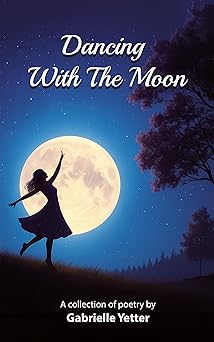
Dancing with the Moon by Gabrielle Yetter
Have you ever wondered why a single fleeting moment—a glance, a whisper, a stranger’s gesture—can feel more powerful than a lifetime of memories? This piece uncovers that mystery, but only in the full write-up.
Keep readingMore Posts Like This

Reimagining Life Through Words and Service with Debra J. White
What happens when life’s hardest blows lead to unexpected purpose? Discover how Debra turned trauma, recovery, and rescued animals into writing and volunteer work that inspires resilience and connection.
Keep reading
Learning from the Land: A Conversation with Cathryn Wellner on Life’s Unexpected Lessons
Ever wondered what it’s like to raise sheep, pigs, and camels while learning life lessons along the way? Cathryn Wellner shares her unexpected journey, and readers will discover how she adapted and thrived.
Keep reading
Carmella Parker on Law, Education, and Guiding Institutions Through Change
How do you teach students about laws that are still being written? This interview explores one legal educator’s answer—revealed through experience, strategy, and real-world change inside the evolving legal landscape.
Keep reading
Shannon O’Brien on Travel, Teaching, and Redefining Home
Can a backpack become a home and a classroom at the same time? This interview follows one teacher-writer’s journey to find out—revealed through travel, reflection, and lived experience.
Keep reading
Leon Mitchell on Imagination, Resilience, and Finding the Extraordinary in the Ordinary
What if imagination isn’t an escape but a survival skill you forgot you had? This interview explores that idea—revealed through childhood wonder, discipline, and stories that reflect who we are.
Keep readingWe’d love to hear from you!
What are your thoughts on this piece? Share your insights in the comments below!
- What stood out to you most about this post?
- Have you read a book recently that relates to the themes discussed here?
- What’s your favorite takeaway or reflection from this write-up?
Let’s keep the conversation going—your thoughts make this space richer!
Disclaimer: The content on this site is provided for informational and inspirational purposes only. While we strive for accuracy, the views expressed in reviews, articles, and recommendations are subjective and may not reflect the opinions of all readers.
We receive complimentary copies of all books we review. However, this practice does not compromise the integrity or honesty of our reviews. Every write-up reflects the contributor’s genuine impressions and critical analysis, ensuring transparency and trust with our readers.
For a complete understanding of our practices, please refer to our full Disclaimer, Privacy Policy, and Terms of Service. These documents outline how we manage your information, ensure transparency, and uphold your rights as a user.
To request for a review, to nominate your favorite book for an award, or for more details about our awards, click here.
Other Stories
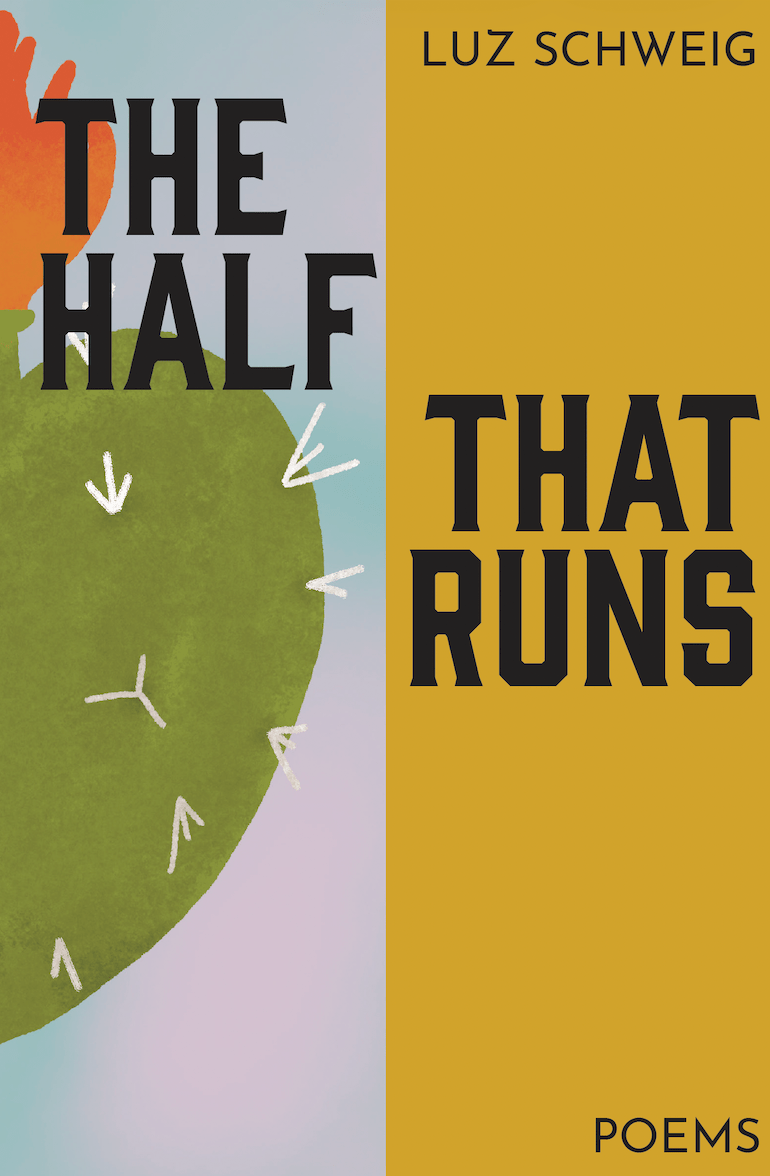
The Half That Runs by Luz Schweig
What if your memories had a geography—one that kept shifting under your feet like sand? Discover how The Half That Runs by Luz Schweig maps identity—read the full piece.
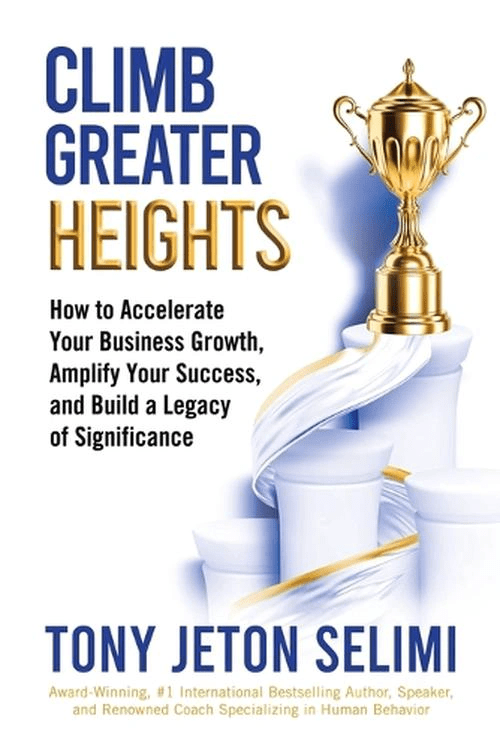
Book Review: Climb Greater Heights by Tony Jeton Selimi
What if your biggest business obstacle isn’t competition but something invisible within you? Discover the answer in Climb Greater Heights by Tony Jeton Selimi—read the full review to explore.
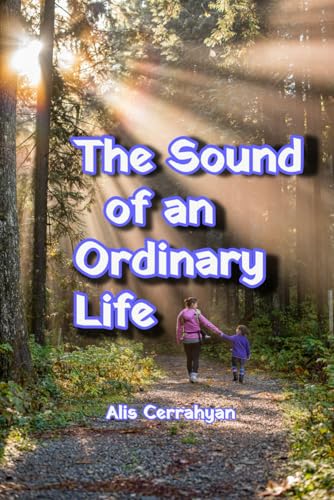
Review of The Sound of an Ordinary Life by Alis Cerrahyan
There are many ways to tell the story of a life. Some choose grand narratives, sweeping arcs of triumph and tragedy. Others, like The Sound of an Ordinary Life, find meaning in the quiet spaces, the moments that seem small but carry the entire weight of a person’s existence.

 OneTribune