
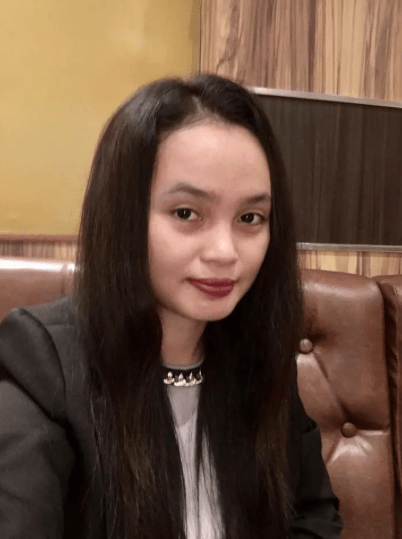
In this interview, author Mercy Jane Porquez Ballesteros shares the creative and emotional journey behind her deeply resonant storytelling. Known for her evocative prose and heartfelt portrayals of human resilience, Mercy reflects on how love, memory, and redemption intertwine in her narratives. Through a lens of compassion and authenticity, she discusses her writing process, her views on emotional honesty in fiction, and the transformative power of hope in rebuilding broken relationships. Readers will discover how she crafts universal lessons from personal insight, and why stories of healing matter more than ever in today’s world.
Editor’s Note: The perspectives shared in this interview reflect the personal reflections and creative interpretations of the author within the context of her fiction. Discussions of love, control, and ethically complex choices relate to narrative themes and should not be taken as real-world advice or guidance.
Mercy, thank you for joining us. To begin, could you tell our readers a bit about yourself—what inspired you to write, and what message you hope your body of work delivers?
Thank you so much for having me. I’m Mercy, and writing has always been where I explore the deepest corners of emotion—love, loss, healing, and the quiet strength we often overlook. I began writing during difficult seasons of my life, when putting words on the page felt like stitching myself back together.
I’m inspired by imperfect people trying to love each other in imperfect ways—fractured marriages, heartaches, and family disputes over staying connected. It is my desire that readers not only see themselves through the characters but also feel that tenderness is still a feasible thing after suffering.
If there’s one message I want my work to carry, it’s this: love isn’t the absence of struggle. It’s choosing someone—and yourself—even after life reshapes you. Healing isn’t linear, but it is always possible.
Your storytelling often explores reconciliation and emotional rebirth. What draws you to stories about love that survives loss and imperfection?
I’ve always adored love stories that accept flaws as a part of life. What moves me most is the moment after everything falls apart—when two people could walk away yet still reach for hope. There’s quiet courage in choosing to rebuild after loss or disappointment, and that’s where I believe love shows its truest form.
Real relationships bend, break, and get tested, but their beauty lies in resilience, not perfection. Reconciliation stories let me explore that transformation—how healing doesn’t erase the past but can redefine it. Emotional rebirth, whether between two people or within a family, reminds me that some endings are really beginnings in disguise.
Ultimately, I’m drawn to love that lasts through imperfections, as it is the only kind that seems genuine, deserved, and extremely human. It’s the kind of love that changes people—and the kind that changes readers too.
Many readers describe your prose as deeply cinematic and emotionally layered. How do you balance vulnerability with narrative control when writing such raw emotions?
Thank you—hearing that truly means a lot. For me, balancing vulnerability with narrative control comes from treating emotion and structure as partners. I feel everything my characters feel, but emotion must always reveal something deeper or move the story forward.
My writing as a novelist and screenwriter becomes very cinematic when I use emotions like light—something that highlights the scene without overwhelming it. I want readers to feel the rawness without drowning in it, which means knowing when to linger and when to pull back.
For me, being vulnerable does not mean telling everything; it means trusting the truth that matters most. Narrative control shapes that truth with intention. I write with my heart wide open and my craft engaged—honest emotion, deliberate storytelling—and that’s where depth lives.
When you look back on your writing journey, what were some pivotal moments or milestones that shaped your voice as an author?
My writing voice was shaped by small but defining moments. One was writing a scene that felt almost too vulnerable—learning that my best work comes from leaning into discomfort. Another was realizing storytelling isn’t just about beautiful lines but about understanding people and the resilient ways they love.
Publishing my first work also changed my perspective; readers’ reactions unwrapped new dimensions and helped refine my more cinematic, emotionally precise style. But the biggest milestone was trusting my instincts. When I quit writing for the sake of approval and started to write from emotional truth, my voice finally sounded like my own.
These moments shaped me into the author I am now—drawn to love that survives storms and stories that hold both pain and hope.
Your works often highlight themes of forgiveness, resilience, and rediscovery—qualities that transcend culture and background. What personal values or real-life experiences inform these recurring elements in your fiction?
Forgiveness, resilience, and rediscovery aren’t just themes I write—they’re experiences I’ve lived. Life doesn’t spare anyone from heartbreak, yet I’ve seen how people rise from what once felt impossible to survive.
Forgiveness interests me because it’s transformative—a quiet courage that mends what pride can’t. Resilience comes from witnessing others, and myself, rebuilding after setbacks, learning that strength often whispers instead of roars. Rediscovery is universal; we lose parts of ourselves and grow into someone new. My characters find clarity only after being lost because that reflects real life.
These values shape my stories because they shaped me. Everyone knows what it feels like to break—and everyone carries the hope of healing. If my work honors that truth, it matters to me.
Creative writing involves both intuition and discipline. What does your writing process look like—from idea to completion—and how do you stay inspired through emotionally intense projects?
My writing process blends instinct, planning, and emotional truth. Each story begins with a spark—a question about love, loss, or the choices people make at emotional crossroads. I dive deeply into my characters, living each one as I write, which helps me connect with their wounds, desires, and conflicts. That intuitive immersion gives the story its soul.
Then discipline takes over. I outline loosely to guide the emotional beats and write consistently, even when inspiration feels distant. For heavier projects like Falling for My Husband (Again), I stay grounded by remembering my purpose, taking breaks, or journaling to avoid burnout.
Ultimately, the characters keep me going. Their strength is a mirror of the real people who are struggling for love, forgiveness, and rediscovery. For me, writing is a dialogue between the heart and craft—intuition gives the story its rhythm and discipline refines it.
Readers see glimpses of ethical reflection in your book—the fine line between love and control, honesty and mercy. What do you believe makes storytelling a powerful medium for examining human choices?
Storytelling is powerful because it lets readers confront human choices in an intimate but safe space. The novel Falling for My Husband (Again) strains love and control while putting the line between mercy and honesty through trials. By burning the divorce papers—an act resulting from fear, longing, and imperfect love—Ethan pulls readers into grappling with whether it is love, desperation, or something darker.
Stories let us explore these gray areas without forcing a single moral answer. When Olivia wakes with memory loss and Ethan chooses to “start over,” readers see compassion and wrongdoing woven into the same decision. Fiction gives us emotional distance to examine choices while still feeling their impact.
In my opinion, storytelling is a reflection. Through characters like Ethan and Olivia—who are passionate in their love yet sometimes make wrong decisions—we see our own imperfections, wants, and capacity to heal. Stories are not merely amusement; they demand that we feel, question, and comprehend what it means to be human.
You’ve received recognition as one of OneTribune Media’s Prime Book Pick Award winners. What does this honor mean to you personally and professionally, and how does it affirm your vision as an author?
Receiving the Prime Book Pick Award is both humbling and deeply affirming. Falling for My Husband (Again) was created through a lens of emotional honesty and revealed the delicate lines of love, control, forgiveness, and starting over. Scenarios like Ethan burning the divorce papers or Olivia waking up with no memory were intended to be difficult for the readers—and at the same time challenge them and invite them into the complexity of consequence and choice.
Being recognized by an award that values depth and lasting impact over popularity means so much to me. Personally, it reassures me that stories about imperfect people making difficult decisions truly resonate.
Professionally, it strengthens my belief that fiction doesn’t need to be grand to be powerful—just honest.
This honor affirms my vision to write stories that linger, provoke reflection, and illuminate the emotional gray areas of being human.
Many writers today use fiction as a mirror to encourage empathy and understanding. How do you see your stories contributing to a more compassionate and connected world?
I believe fiction is most powerful when it makes readers feel first, then understand. By stepping into characters’ struggles, readers experience neglect, regret, forgiveness, and the difficult path back to love.
My hope is that my work encourages a more connected world by showing that empathy isn’t about excusing—it’s about understanding. If readers see themselves in Olivia’s pain or in Ethan’s desire to change, then the story has already softened judgment and opened the door to compassion.
Outside your books, how do you continue nurturing creativity and balance—whether through mentorship, community work, or other pursuits that promote positivity and growth?
Outside my books, I nurture creativity through experiences that refill my emotional well. Music, films, and stories in all forms inspire me and remind me of the beauty in human emotion, helping me return to my own work with fresh perspective.
I also stay connected to people—offering advice to aspiring writers, sharing insights with readers, and engaging in conversations about storytelling. Mentorship and community remind me why stories matter and give my work a deeper sense of purpose.
Ultimately, I try to live with positivity, growth, and authenticity so that when I return to writing, I’m creating not just from imagination but from a place that feels full, inspired, and alive.
If you were to write your bio in your own words, how would you describe yourself, and what lasting impact would you like your work to have?
If I were to write my own bio, I’d describe myself as a storyteller who writes from the heart—drawn to the quiet, complicated corners of love, healing, and second chances. I live deeply in my characters and believe that emotion is its own kind of truth.
I’m endlessly curious about why people love, break, and find the strength to rebuild, and that curiosity shapes every story I write. Through my books, I want readers to feel connected and understand my perspective as they journey through each page.
Above all, I want my work to remind people that vulnerability is strength, forgiveness is transformative, and hope is never naïve. If my stories help someone feel understood or believe in love again, then I’ve done what I set out to do.
Related
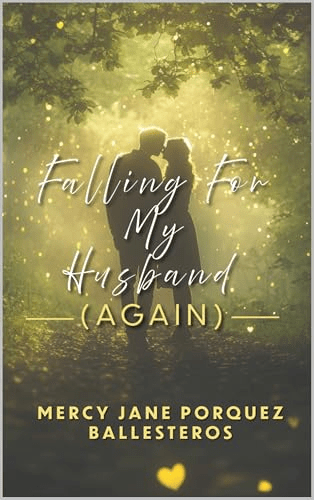
Falling for My Husband (Again) by Mercy Jane Porquez Ballesteros
What if the only way to save a love you lost is to rewrite the truth itself? Find out how one man’s redemption blurs the line between memory and mercy.
Keep readingMore Posts Like This

Reimagining Life Through Words and Service with Debra J. White
What happens when life’s hardest blows lead to unexpected purpose? Discover how Debra turned trauma, recovery, and rescued animals into writing and volunteer work that inspires resilience and connection.
Keep reading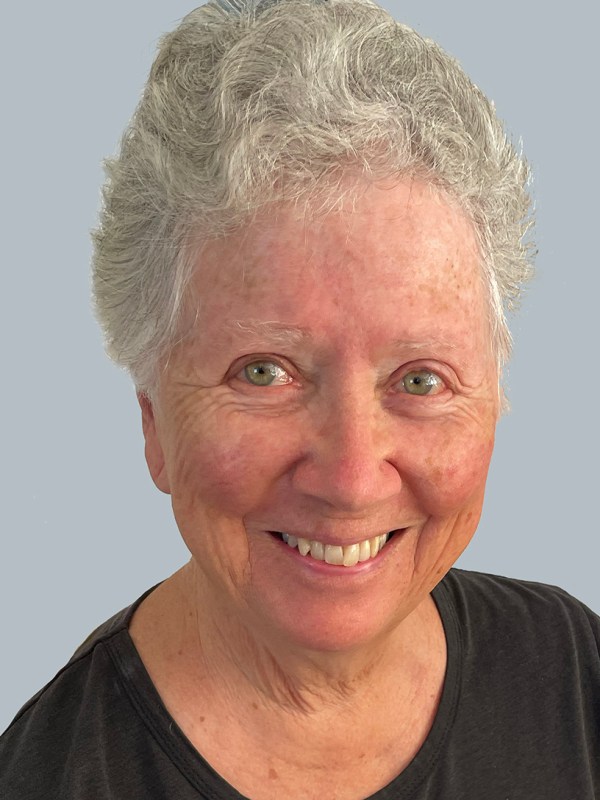
Learning from the Land: A Conversation with Cathryn Wellner on Life’s Unexpected Lessons
Ever wondered what it’s like to raise sheep, pigs, and camels while learning life lessons along the way? Cathryn Wellner shares her unexpected journey, and readers will discover how she adapted and thrived.
Keep reading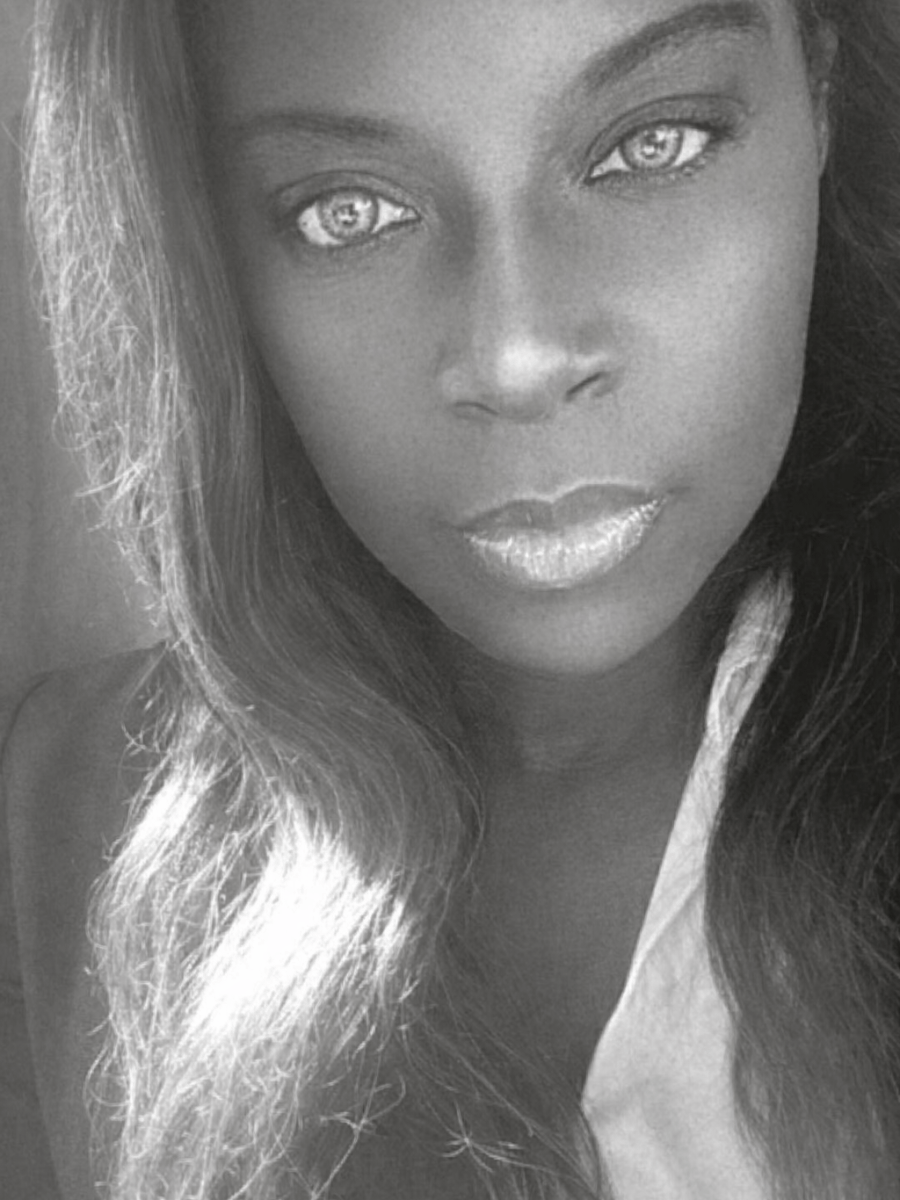
Carmella Parker on Law, Education, and Guiding Institutions Through Change
How do you teach students about laws that are still being written? This interview explores one legal educator’s answer—revealed through experience, strategy, and real-world change inside the evolving legal landscape.
Keep reading
Shannon O’Brien on Travel, Teaching, and Redefining Home
Can a backpack become a home and a classroom at the same time? This interview follows one teacher-writer’s journey to find out—revealed through travel, reflection, and lived experience.
Keep reading
Leon Mitchell on Imagination, Resilience, and Finding the Extraordinary in the Ordinary
What if imagination isn’t an escape but a survival skill you forgot you had? This interview explores that idea—revealed through childhood wonder, discipline, and stories that reflect who we are.
Keep readingWe’d love to hear from you!
What are your thoughts on this piece? Share your insights in the comments below!
- What stood out to you most about this post?
- Have you read a book recently that relates to the themes discussed here?
- What’s your favorite takeaway or reflection from this write-up?
Let’s keep the conversation going—your thoughts make this space richer!
Disclaimer: The content on this site is provided for informational and inspirational purposes only. While we strive for accuracy, the views expressed in reviews, articles, and recommendations are subjective and may not reflect the opinions of all readers.
We receive complimentary copies of all books we review. However, this practice does not compromise the integrity or honesty of our reviews. Every write-up reflects the contributor’s genuine impressions and critical analysis, ensuring transparency and trust with our readers.
For a complete understanding of our practices, please refer to our full Disclaimer, Privacy Policy, and Terms of Service. These documents outline how we manage your information, ensure transparency, and uphold your rights as a user.
To request for a review, to nominate your favorite book for an award, or for more details about our awards, click here.
Other Stories
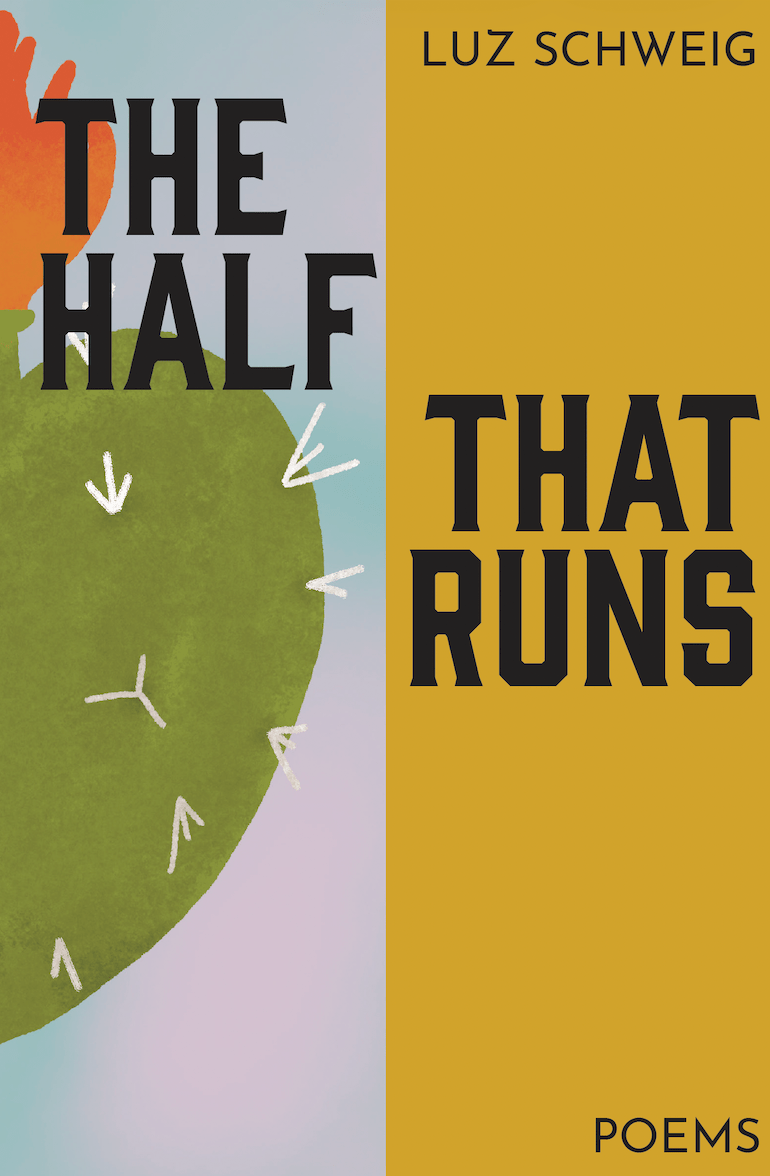
The Half That Runs by Luz Schweig
What if your memories had a geography—one that kept shifting under your feet like sand? Discover how The Half That Runs by Luz Schweig maps identity—read the full piece.
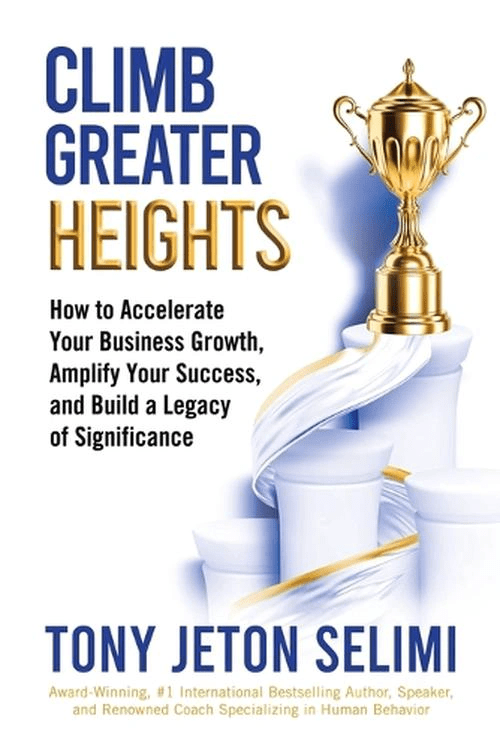
Book Review: Climb Greater Heights by Tony Jeton Selimi
What if your biggest business obstacle isn’t competition but something invisible within you? Discover the answer in Climb Greater Heights by Tony Jeton Selimi—read the full review to explore.
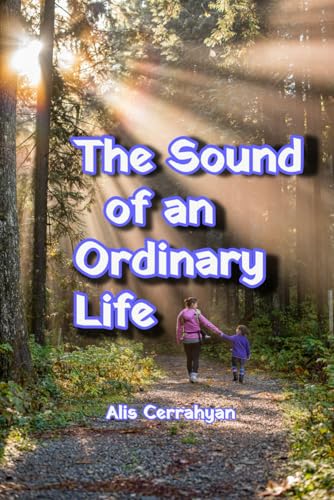
Review of The Sound of an Ordinary Life by Alis Cerrahyan
There are many ways to tell the story of a life. Some choose grand narratives, sweeping arcs of triumph and tragedy. Others, like The Sound of an Ordinary Life, find meaning in the quiet spaces, the moments that seem small but carry the entire weight of a person’s existence.

 OneTribune