

Have you ever wondered why certain memories resurface only when life grows unbearably quiet? This write-up explores how one woman uncovers that answer—quietly, steadily, and only if you read on.
Book title and author
Learning to Say Goodbye by Alexandra Dionisio
Genre, sub-genres, themes
- Genre: Memoir
- Sub-genres: Grief narrative, spiritual autobiography, hospice and caregiving memoir
- Themes: Loss, love, parenthood, intuition, resilience, presence, meaning-making, compassion, identity, spirituality
Review
Memoirs about loss often fall into two camps: those that retell events and those that translate them. Learning to Say Goodbye belongs firmly to the latter. It translates grief into experiences that feel strangely familiar—even to readers who have never sat beside a hospice bed. The book moves between countries and eras, yet its emotional geography is always the same: the space where love persists even when language falters.
What makes the narrative unconventional is not its subject matter but its method. The author pairs real-world hospice work with moments of deep intuition that she doesn’t force the reader to believe—she only asks us to witness how they shaped her journey. In one scene, the narrator helps a family communicate through presence rather than words, echoing what research shows about nonverbal attunement between caregivers and patients. Neuroscience tells us that humans exchange emotional information silently through breath, posture, heart-rate synchrony, and micro-expressions; the book’s scenes align with this evidence even when framed through spiritual vocabulary.
The writing’s strength lies in specificity. Whether describing a Berlin café with the smell of roasted beans in the air or a small Los Angeles bedroom where a family gathers around a child’s bed, the details invite the reader to slow down. They echo what psychology calls the “attentional narrowing” that happens in moments of emotional peak—time seems to stretch, and the smallest sensations become markers of meaning. This quality gives the book a cinematic calm in places where other authors might rush.
A moving thread throughout is the narrator’s evolving relationship with Trust—capitalized in the book as though it were both a concept and a companion. Trust functions like a psychological anchor. Modern grief studies note that people who adapt well after loss often develop what researchers term “internalized secure base imagery.” The narrator’s Trust reads like exactly that: a stabilizing inner orientation rather than a leap into the mystical.
Those who prefer their memoirs strictly literal may struggle with the author’s openness to signs, synchronicities, and intuitive impressions. Yet even readers wary of metaphysical explanations will find that the book keeps its feet firmly on the ground. The spiritual moments are presented alongside self-doubt, humor, and the unglamorous details of everyday life—school pickups, marital banter, market errands. This duality keeps the book honest.
Who is the book for? For readers who have loved someone deeply enough to fear losing them. For those who sit awake at night wondering how ordinary people endure extraordinary pain. For people curious about hospice work and the subtle emotional skills required to show up for others without collapsing into their suffering. It is less suited for readers seeking plot-driven narrative or those uncomfortable with reflective, interior storytelling.
Ultimately, Learning to Say Goodbye does not aim to teach you how to avoid grief. It offers something harder and more valuable: a way to stay present to it without losing yourself. In an age fixated on speed, certainty, and solutions, this memoir argues for slowness, curiosity, and the kind of courage that looks like gentleness.
Content Warning
This review discusses themes of terminal illness, caregiving, and loss as depicted in the book.
Other Stories

Reimagining Life Through Words and Service with Debra J. White
What happens when life’s hardest blows lead to unexpected purpose? Discover how Debra turned trauma, recovery, and rescued animals into writing and volunteer work that inspires resilience and connection.
Keep reading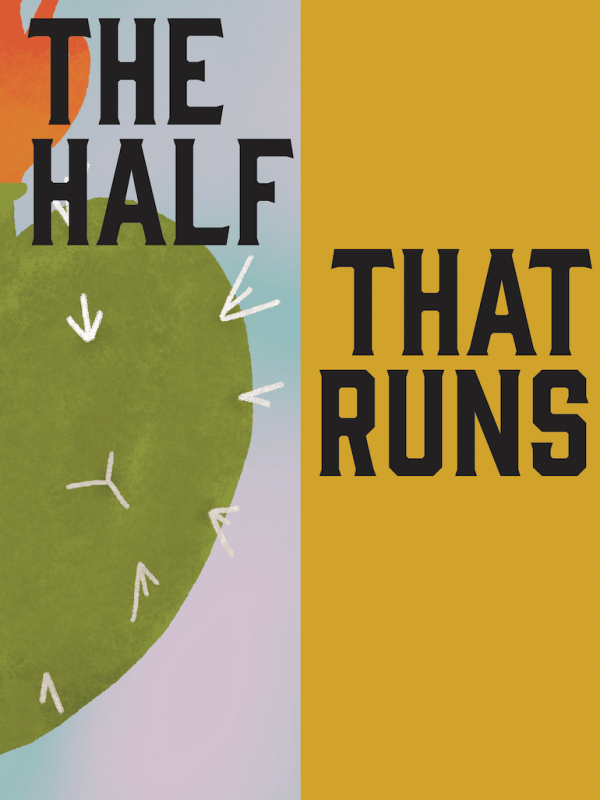
The Half That Runs by Luz Schweig
What if your memories had a geography—one that kept shifting under your feet like sand? Discover how The Half That Runs by Luz Schweig maps identity—read the full piece.
Keep reading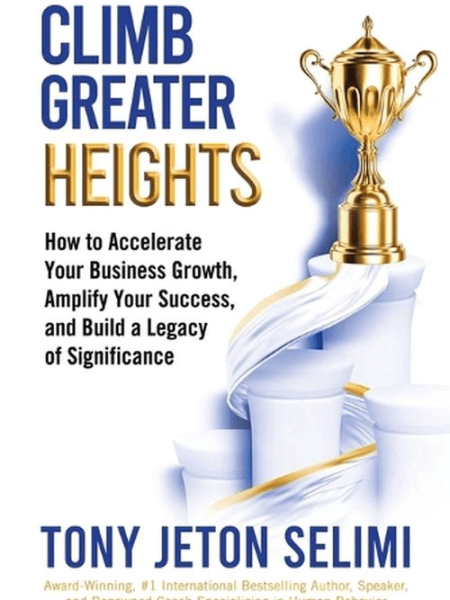
Book Review: Climb Greater Heights by Tony Jeton Selimi
What if your biggest business obstacle isn’t competition but something invisible within you? Discover the answer in Climb Greater Heights by Tony Jeton Selimi—read the full review to explore.
Keep reading
Review of The Sound of an Ordinary Life by Alis Cerrahyan
There are many ways to tell the story of a life. Some choose grand narratives, sweeping arcs of triumph and tragedy. Others, like The Sound of an Ordinary Life, find meaning in the quiet spaces, the moments that seem small but carry the entire weight of a person’s existence.
Keep reading
Unheard by Bhavini Bhargava
If grief could hold a pen, what would it say about the silence that follows loss? Find out how one book wrestles with that question and offers something most never expect: resonance.
Keep readingWe’d love to hear from you!
What are your thoughts on this piece? Share your insights in the comments below!
- What stood out to you most about this post?
- Have you read a book recently that relates to the themes discussed here?
- What’s your favorite takeaway or reflection from this write-up?
Let’s keep the conversation going—your thoughts make this space richer!
Disclaimer: The content on this site is provided for informational and inspirational purposes only. While we strive for accuracy, the views expressed in reviews, articles, and recommendations are subjective and may not reflect the opinions of all readers.
We receive complimentary copies of all books we review. However, this practice does not compromise the integrity or honesty of our reviews. Every write-up reflects the contributor’s genuine impressions and critical analysis, ensuring transparency and trust with our readers.
For a complete understanding of our practices, please refer to our full Disclaimer, Privacy Policy, and Terms of Service. These documents outline how we manage your information, ensure transparency, and uphold your rights as a user.
To request for a review, to nominate your favorite book for an award, or for more details about our awards, click here.
Other Stories
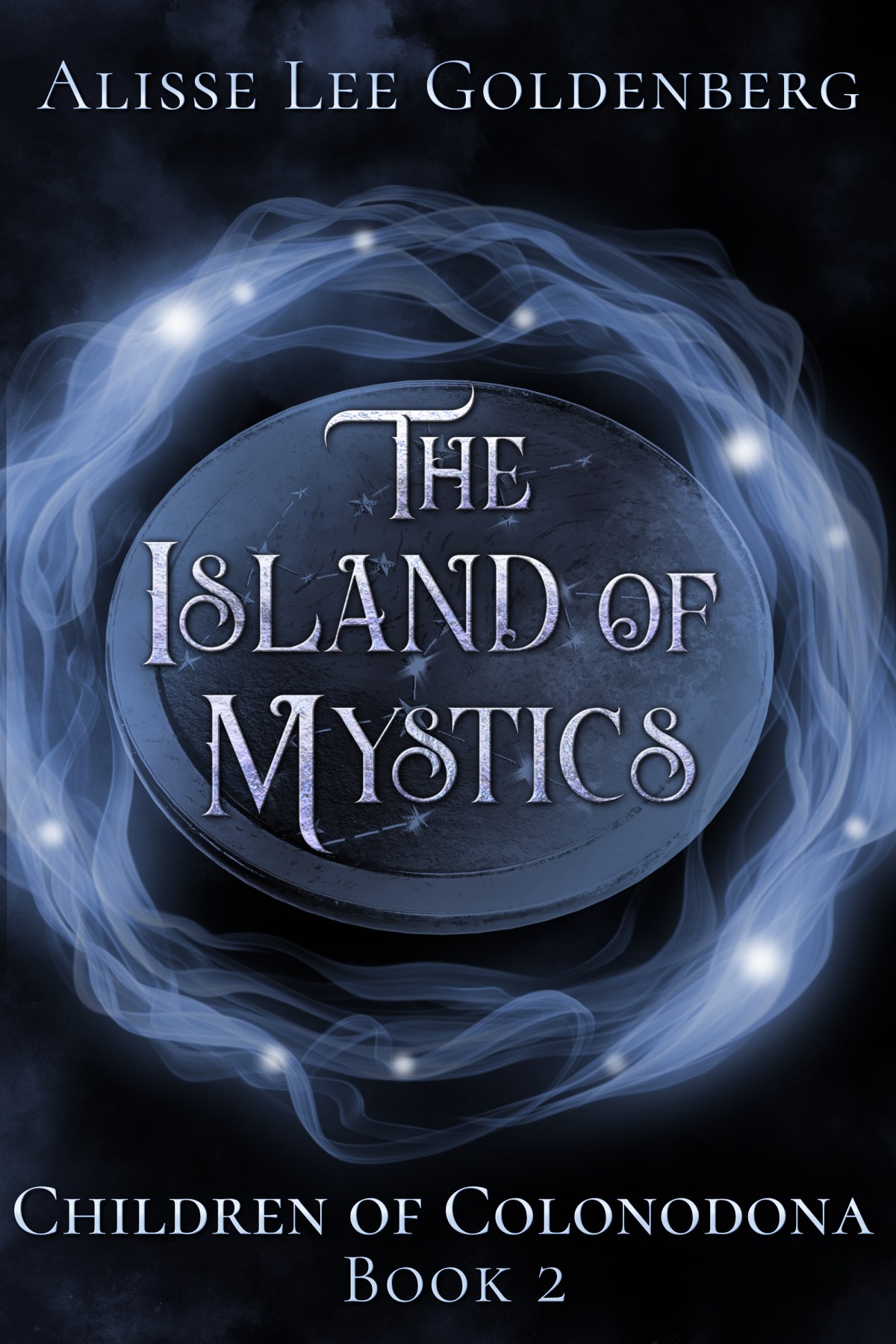
Book Review: The Island of Mystics by Alisse Lee Goldenberg
Can two runaways outrun their own thoughts? In The Island of Mystics by Alisse Lee Goldenberg, follow a journey where escape may reveal more than staying ever could.

Growth Unlocked – Books That Show the Power of Transformation
Personal growth is often a journey of trials, resilience, and, ultimately, transformation. In literature, these journeys reveal the potential within us to change, evolve, and discover our truest selves—even in the face of adversity. “Growth Unlocked” stories tap into the essence of self-discovery, resilience, and the process of becoming something more than we once were.…
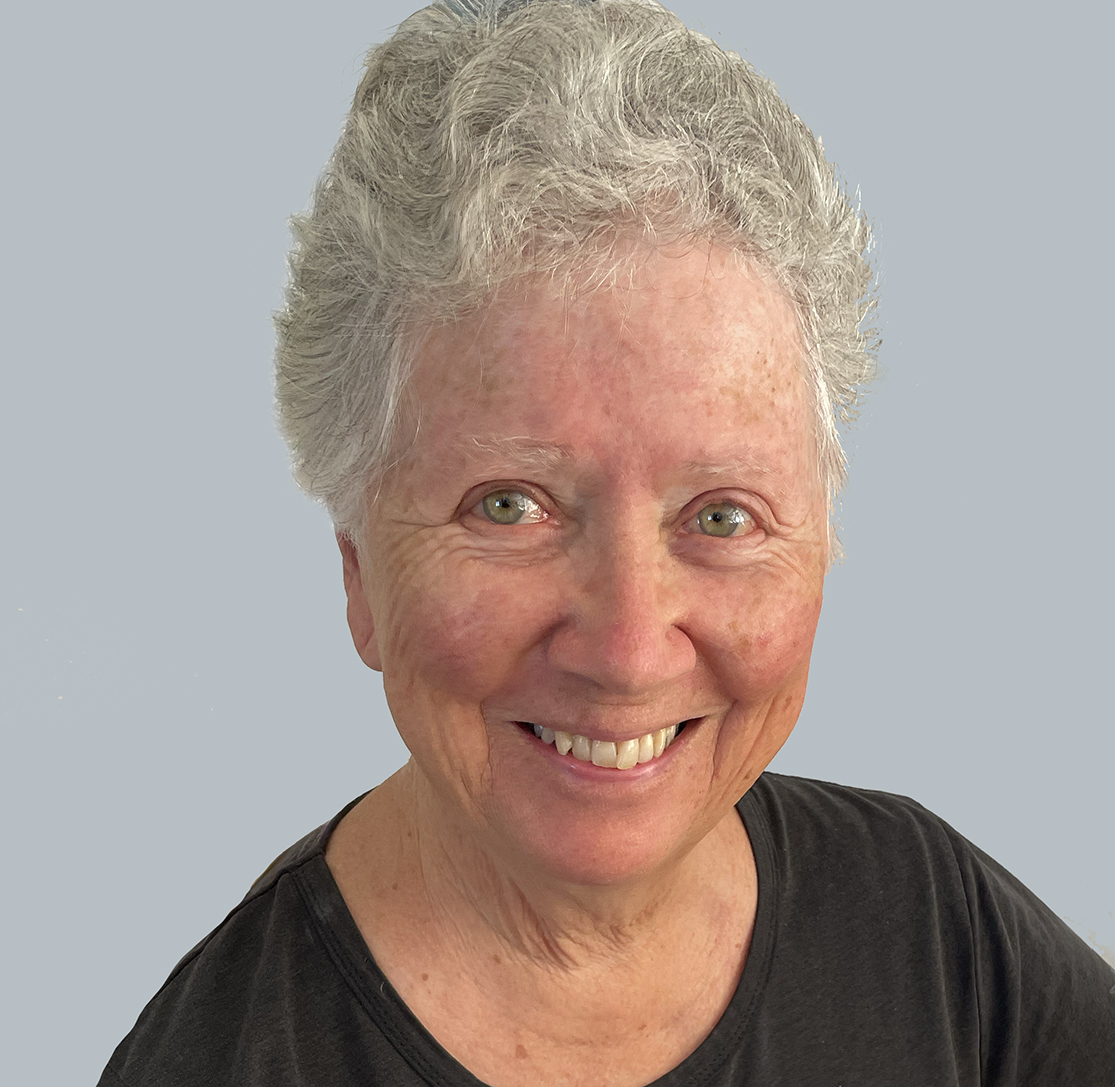
Learning from the Land: A Conversation with Cathryn Wellner on Life’s Unexpected Lessons
Ever wondered what it’s like to raise sheep, pigs, and camels while learning life lessons along the way? Cathryn Wellner shares her unexpected journey, and readers will discover how she adapted and thrived.

 OneTribune