
We follow author Terence Livingston’s creative process in this interview. In addition to talking about his writing, we also explore the life events, sources of inspiration, and life lessons that influence his narrative. Terence offers insights into the discipline, creativity, and principles that drive his work, covering everything from early influences to overcoming the difficulties of writing. The goal of this discussion is to comprehend the thought of an author who turns concepts into stories that are relevant to all eras and locations, not to promote a particular book. The creative process and the human stories that underlie it will become more apparent to readers.
Editor’s Note: The views shared in this interview reflect the personal beliefs and experiences of the interviewee, including their faith. They are offered for insight and inspiration and are not intended as universal guidance.
Terence, thank you for joining us today. Could you start by introducing yourself, sharing what drew you to writing, and what you aim to achieve through your work as an author?
Thank you for this opportunity.
My days are spent sitting in a cubicle, proofreading advertorial work for a branding company. It’s one way my skill in language is being used. As a former English teacher, I have a passion for words, whether it’s in music, books, or movies. Without words, the world would be a silent wasteland!
On the side, though, I love reading and writing—expressing myself! As a creative person, that outlet is important for me, to tell the stories that are constantly brewing in my brain! I am currently trying to finish the climactic instalment of this trilogy!
What first sparked your interest in storytelling, and how has that early spark evolved into your writing today?
I’ve been writing since teachers shoved an oversized pencil in my little hand and forced me to scribble my name! Of course, back then I was writing simple sentences about cats that sit on mats… But through constant reading of many different genres, I have latched onto my own style of writing. I could never understand how authors wrote so many words, filling so many pages. It took me a few attempts to get going, but once I did… it began to flow.
Looking back, what moments or turning points most influenced your journey as a writer?
I found myself sitting alongside a dusty road, overseeing workers digging trenches. Definitely not my forte, but I had to pay bills, so as a foreman, I found extra time to pour my thoughts into a story that had been forming over many years. The harsh conditions of that job played a big role in shaping many of the scenes in this novel. Drawing from experience, watching characters, and unearthing emotions, the plot took on a life of its own. Much of Follow was inspired by these real-life events, especially the Mines of Jihuru. As difficult as those years were, they were the forge in which my journey as a writer really took off.
Every author has milestones that stand out. Could you share some of your own and what they mean to you personally and professionally?
The first publication of my book was a dream come true, even if it didn’t exactly pan out the way we hoped. Just to see my words all neatly bound, in the hands of someone else, eagerly eating up everything I had served them—that was a reward in itself! But the road to professional author has taken years (still taking years), as there is more to simply getting a book printed than getting out there. Finally, revamping the book and releasing it again was a very proud moment for my wife and me, as we worked long and hard to get it done.
She has been with me every step of the way…
Writing often requires persistence. What practices or routines help you stay creative and motivated through challenges?
I love to procrastinate. I like to call it creative thinking, but actually, it’s just a stalling tactic while bits and pieces of a story ruminate in my head. I’ve found that forcing myself to just write… write anything in line with the story… helps to flush out the debris. It is almost soul-destroying, typing away, knowing those words are useless, and rather pitiful, but it is necessary to get going. Soon… once all the drivel has dried up, the real plot starts to come together again, characters reappear, and the words begin to flow once more.
A really good coffee, and a quiet café also do wonders!
Stories don’t appear in isolation. How have people—mentors, peers, or even readers—shaped the way you write?
I have a few people that have given me incredible, constructive criticism. For this book and its sequel, there were two readers I leant on for advice, and they came through every time with such great feedback. Listening to their suggestions allowed me to rearrange chapters, reform characters, and even delete certain passages that I thought were great. Because of them, the book is what it is today!
What themes or values do you find yourself returning to most often in your writing, and why do they matter to you?
There is more to life than this… I don’t buy into spooky elements, but I know that there is more than meets the eye. I have tasted, experienced, and know that God is real. That forms the basis for all my books, without forcing it down anyone’s throat. My hope is that the stories I write will inspire, encourage, and motivate others to find this abundant life that is available through God, through Jesus!
The world of writing is always changing. How have you adapted or grown in your craft over the years?
The first book, Follow, is a journey that begins and ends. It is a chronological story following the same characters. For the sequel, Given, I adapted and introduced more of a thriller aspect where different stories were happening simultaneously, converging into exciting climactic moments. It was definitely a change in style that kept me thinking and growing as a writer.
What role do you think storytelling plays in bringing people together or sparking reflection in readers’ lives?
We are stories. Every one of us is a living story that is being told every day we live. The reason we tell our stories is because when we share them, they become one, bigger, incredible story. Many of my experiences end up in my books somehow, as do other people’s. I listen, watch, and find inspiration in their events and characters that I can use in the novels. My story cannot live without other people and their adventures.

What advice would you give aspiring authors who want to write stories that both challenge and connect with readers?
Write from your own experience. It is where you draw your deepest, most touching moments from. If there is no reality, then it is all just fantasy. But combine the two, and you have something that speaks to people. Every hardship, every joy—use that in your story!
Related
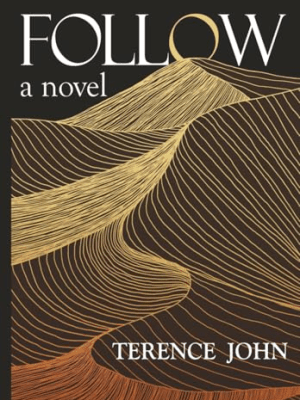
Follow by Terence Livingston
Have you ever wondered what it feels like to follow a dream so vividly that it redraws the map of your life? Discover how one man’s vision transforms everything in this review.
Keep readingMore Posts Like This

Reimagining Life Through Words and Service with Debra J. White
What happens when life’s hardest blows lead to unexpected purpose? Discover how Debra turned trauma, recovery, and rescued animals into writing and volunteer work that inspires resilience and connection.
Keep reading
Learning from the Land: A Conversation with Cathryn Wellner on Life’s Unexpected Lessons
Ever wondered what it’s like to raise sheep, pigs, and camels while learning life lessons along the way? Cathryn Wellner shares her unexpected journey, and readers will discover how she adapted and thrived.
Keep reading
Carmella Parker on Law, Education, and Guiding Institutions Through Change
How do you teach students about laws that are still being written? This interview explores one legal educator’s answer—revealed through experience, strategy, and real-world change inside the evolving legal landscape.
Keep reading
Shannon O’Brien on Travel, Teaching, and Redefining Home
Can a backpack become a home and a classroom at the same time? This interview follows one teacher-writer’s journey to find out—revealed through travel, reflection, and lived experience.
Keep reading
Leon Mitchell on Imagination, Resilience, and Finding the Extraordinary in the Ordinary
What if imagination isn’t an escape but a survival skill you forgot you had? This interview explores that idea—revealed through childhood wonder, discipline, and stories that reflect who we are.
Keep readingWe’d love to hear from you!
What are your thoughts on this piece? Share your insights in the comments below!
- What stood out to you most about this post?
- Have you read a book recently that relates to the themes discussed here?
- What’s your favorite takeaway or reflection from this write-up?
Let’s keep the conversation going—your thoughts make this space richer!
Disclaimer: The content on this site is provided for informational and inspirational purposes only. While we strive for accuracy, the views expressed in reviews, articles, and recommendations are subjective and may not reflect the opinions of all readers.
We receive complimentary copies of all books we review. However, this practice does not compromise the integrity or honesty of our reviews. Every write-up reflects the contributor’s genuine impressions and critical analysis, ensuring transparency and trust with our readers.
For a complete understanding of our practices, please refer to our full Disclaimer, Privacy Policy, and Terms of Service. These documents outline how we manage your information, ensure transparency, and uphold your rights as a user.
To request for a review, to nominate your favorite book for an award, or for more details about our awards, click here.
Other Stories
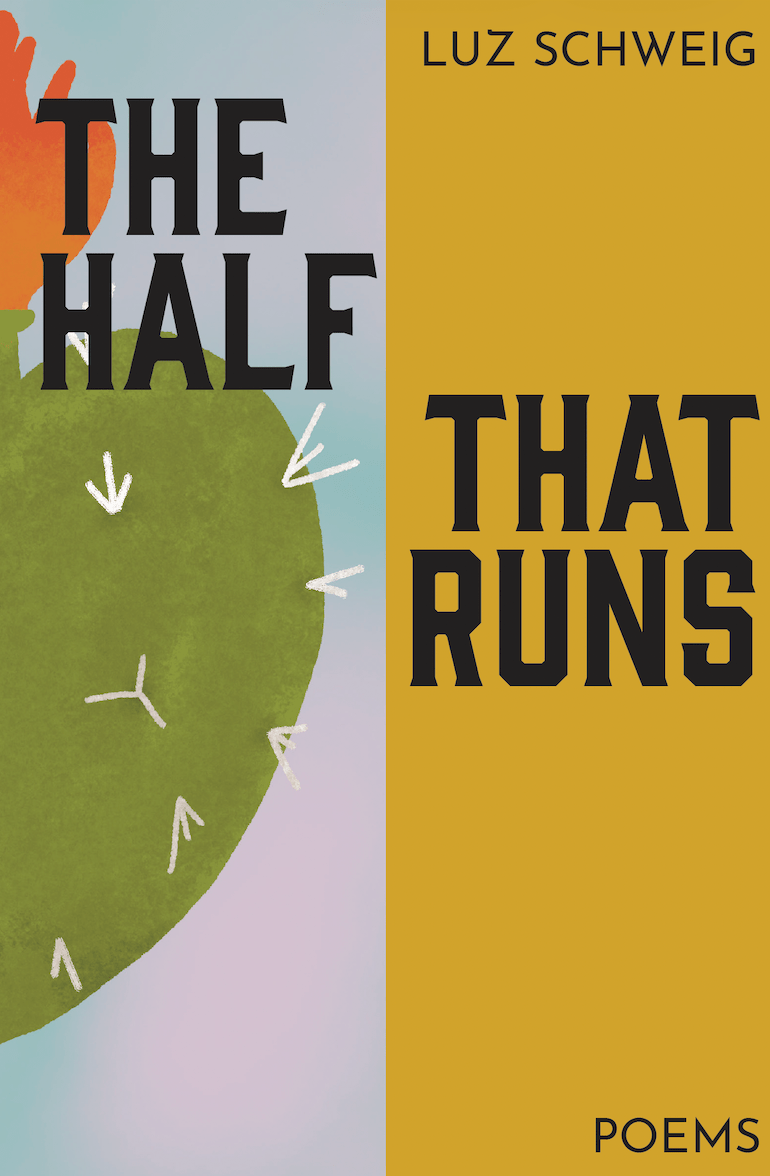
The Half That Runs by Luz Schweig
What if your memories had a geography—one that kept shifting under your feet like sand? Discover how The Half That Runs by Luz Schweig maps identity—read the full piece.
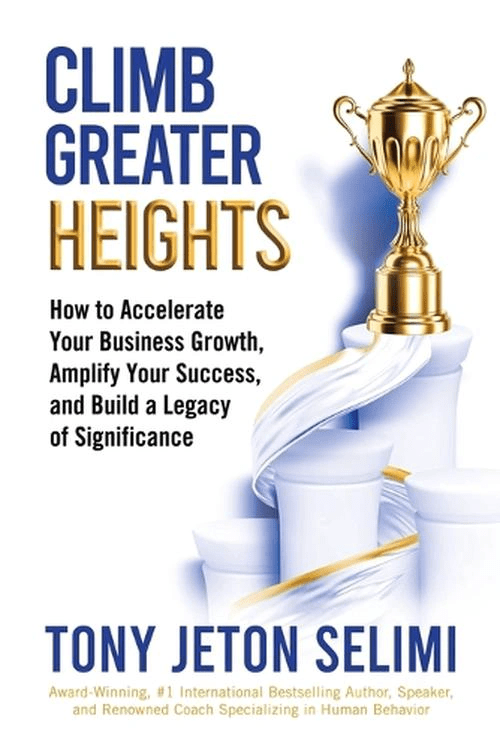
Book Review: Climb Greater Heights by Tony Jeton Selimi
What if your biggest business obstacle isn’t competition but something invisible within you? Discover the answer in Climb Greater Heights by Tony Jeton Selimi—read the full review to explore.
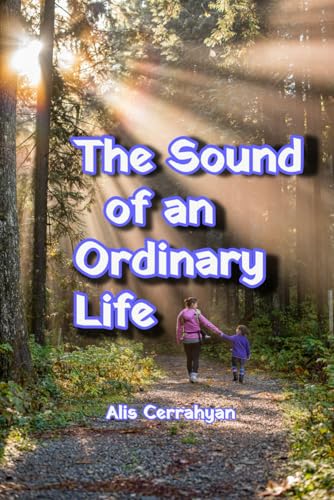
Review of The Sound of an Ordinary Life by Alis Cerrahyan
There are many ways to tell the story of a life. Some choose grand narratives, sweeping arcs of triumph and tragedy. Others, like The Sound of an Ordinary Life, find meaning in the quiet spaces, the moments that seem small but carry the entire weight of a person’s existence.

 OneTribune