
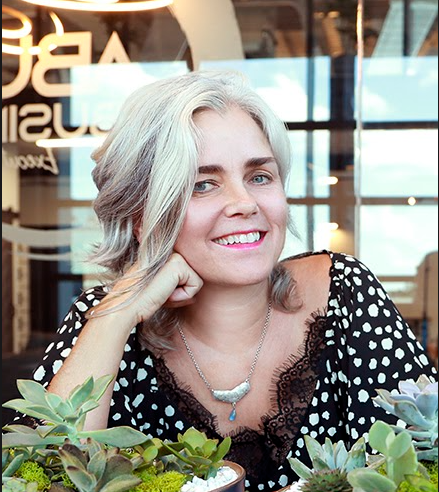
In this exclusive interview, children’s book author Mina M. Hegaard talks about the joyfully chaotic imagination behind Sally Sue Thayer: Your Hair Is a Nightmare, a whimsical tale that recently won the Wordscape Wonders Award. Mina shares how real-life parenting inspired her work, how humor can be a tool for growth, and what it takes to create a story that children want to read over and over again. This interview explores the creative process, resilience in publishing, and how storytelling can be both universal and deeply personal—without needing to be overly polished or picture-perfect.
Mina, thank you so much for joining us. To start, could you please introduce yourself in your own words—who you are, what you do, and what drives your work as a writer and creator?
“I am an artist and an entrepreneur” is the most open-ended way I can describe myself because I don’t like to be limited or put in a box. Books were always the center of entertainment in my childhood home, which shaped our worlds to be full of options and imagination. Both my parents were obsessive bibliophiles and instilled a reverence for reading in all three of us kids.
That being said, it has taken me 56 years of my life to get my own book published, and a kids’ book at that! Writing has been a hobby and a daydream since I was a teenager writing short stories, and then screenplays in my 20s.
We rarely went to the movies, but I grew up in Manhattan, NY and then later moved to Santa Barbara, CA which fed my imagination with enough adventure and beauty to generate big dreams like making movies. Things came to a screeching halt when I ended up in suburbia in a small town in Texas with a turbo-charged child who wouldn’t brush her hair, and this book was born. From there, it only took 17 more years to get it illustrated and then published.
So, to all you late bloomers out there, if you plan to live to your life expectancy, you’re not even halfway there! You’re obligated to keep forging towards making your dreams happen!
You’ve mentioned that Sally Sue Thayer was inspired by your daughter, who was a bundle of energy as a child and now a professional race car driver. How did that real-life spark evolve into a full-fledged children’s book filled with birds, brushes, and bedlam?
Writing the book was just a meditation. A place of solace I could find in the chaos of dealing with a baby who wouldn’t stop crying for two years. I hate to harp on it, because I don’t think it’s promoting the existence of any grandchildren, but I didn’t sleep for 3 years after the kid hatched.
The only thing that calmed her nerves or stomach (we never found out what was bothering her) was going fast with the wind in her hair in her jogger or the car. At that time we lived on Venice Beach, and we put a lot of miles on that stroller exploring all the canals and beaches.
It was a time of life that I was creating a new identity because clothing design was near impossible from Victoria, TX. My psychic friend was helping me navigate the possibilities and she “saw” it sitting on my desk and asked about it, which gave it more validity to pursue publishing.
Sarah at that time was around 19 years old and still had to go to art school in San Francisco, and then life kept speeding by both of us. It’s been a big adventure getting to work on this with her, and we have plenty of inspiration for future installations so stay tuned!
The book recently won the Wordscape Wonders Award, and readers have taken note of its unique voice and humor. Can you walk us through what that recognition means to you—and how it might shape your next steps as an author?
This is my first award as an author, but I feel like the images created by Sarah J. Smith are what brought the story to life. She added more layers and levels of intricacy to it than I thought possible, and I think that comes from me just letting her run with it and not trying to direct it too much.
It’s motivation to keep promoting this school of thought with everything in life. There is not a lot we can control in the scope of what can happen, and there’s magic in chaos. That’s just a matter of perspective. Instead of clenching down and fighting it, why not let it play out and see what happens? What is the worst that could happen if you don’t brush her hair?
The story blends rhyme, surreal visuals, and life lessons all at once. What’s your process like when crafting stories that are imaginative but still grounded in everyday family dynamics?
Working on book 2 in the series, the “barf draft” is a scatterbrained impressionistic collage of free associations almost like a bubble chart but less organized. I’m starting with another rhyme, and then tapping into the subterranean landscape of my imagination to see where that goes.
Grounding a kid can have many meanings. To me it’s a good exercise in coming back to earth when you’re allowed to be somewhat untethered and free.
In the book, we see themes of self-care, independence, and playful rebellion. How do you see these themes playing out in children’s lives today, and what role can storytelling have in helping them navigate those early experiences?
All of these concepts reinforce confidence and a healthy sense of self and boundaries. The kid that emerged as an adult from this tale is someone that makes me proud, as well as inspiring others just by existing. She grabs life by the horns and squeezes it for all she can, fearlessly with humor, style and finesse.
Your book doesn’t follow a typical moralistic structure—there’s a sense of chaos, humor, and finally, growth. Was that intentional? And what do you think children gain from seeing characters learn through mistakes rather than rules?
Where pretty much any kid’s book in the bookstore today takes a social justice stance in some way, there is a lightheartedness to our book that does not come down hard with a moral message besides “hygiene is good.”
My parents are not alive today to tell me what they would think about a book that is for fun only, but I have an idea of what they would say. So in a way, it’s rebelling against seriousness. Making mistakes in real life and sorting your own way out of them is the best and fastest way to learn.
Many parents and educators struggle to engage children who resist routines—like brushing hair, for instance. How do you hope Sally Sue Thayer can help families through those daily challenges in a way that’s lighthearted but still impactful?
Kids thrive in structure. They just need to know what the boundaries of the container are. It can be a noodle strainer, but as long as it’s a consistent noodle strainer they will thrive.
If they know they are safe to experiment and try different things without the fear of “failure,” which is a construct of human/parental expectations, they’ll keep trying new things. Our kids are not an extension of ourselves or our egos.
We have to learn as parents to let them explore the world and make their own mistakes without being attached to our identities. If this book inspires parents who tend to be more controlling to relax and watch the show, that would be the best outcome.
The illustrations by Sarah J. Smith add a whole new dimension to the book. Can you tell us about how that collaboration came to be—and how illustration plays a role in shaping the reader’s experience?
The illustrations are what make this book so entertaining! I met Sarah when she was 18, and asked her to babysit Sally, so we go way back.
As a mother, I know that it takes a village to raise a child, and I am lucky to have a village full of amazing strong women in my life who have all in some way taken on Sally as Aunties and can be humongously proud of their contributions to her life.
Creativity often comes with experimentation. Looking back, is there a part of the story that surprised you as it took shape—something that wasn’t planned but made it into the final version because it simply worked?
If the ending doesn’t surprise me, then I’m not doing something right. Even though it’s one of those “it was all a dream” endings, hopefully the execution lands that in a delightful way instead of ripping the rug out from the reader.
Nap time for Sally was actually for me—creative time alone, a time for dreams to come true and to cultivate my imagination. I look to the dreamworld for ideas and keep a dream journal to refer to when I get stuck.
Dreams are messages from the other side and can have guidance if you dig deep enough into yourself for an interpretation, but sometimes can be literal.
Looking ahead, what kind of stories are you most excited to tell next? Are there new characters or themes you’re exploring—and how do you hope your work continues to grow with your readers?
The next book we are working on is Sally Sue Thayer Runs for Mayor and we have several more waiting in the wings. Sarah J. Smith grew up on Nickelodeon and we can both see this character starring in her own show, which the real-life character Sally Mott the race car driver is already doing on Amazon Prime. It’s called First to the Finish.
In keeping with who the story is based on, her adventures will continue to be unlimited and lighthearted but thought-provoking.
If you were to write your bio in your own words, what would you say? What legacy do you hope to leave?
Mina Hegaard is a Writer, a Filmmaker, an Entrepreneur, and a Founder in Fashion, Hemp, and Horticulture. She is the Momager at Sally Mott Racing, and a Licensed Commercial Real Estate Agent in Texas. Current projects include the Santa Barbara Equine Art Experience, a documentary titled “The Rippling Effect,” a feature length screenplay “Casey Jones Saves the World,” and a series of kids books featuring Sally Sue Thayer. Her clothing company Minawear was a featured question for $800 on Jeopardy in February 2025.
Related
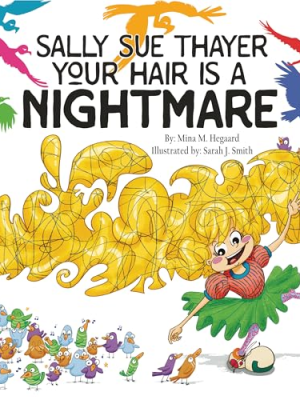
A Review of “Sally Sue Thayer: Your Hair Is a Nightmare” by Mina M. Hegaard
Ever woken up with a bird’s nest in your hair… and realized it wasn’t just a metaphor? Find out what happens when childhood rebellion meets a feathered nightmare in this surreal yet sweet tale.
Keep readingMore Posts Like This
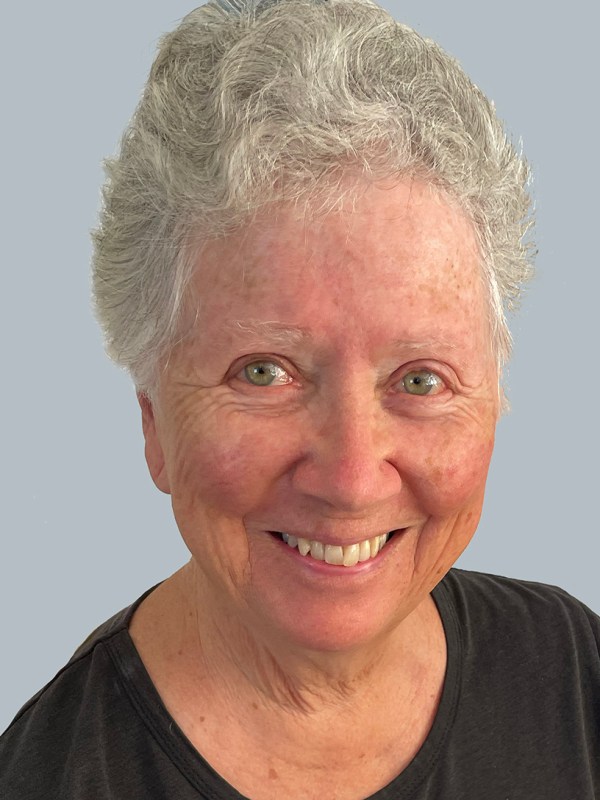
Learning from the Land: A Conversation with Cathryn Wellner on Life’s Unexpected Lessons
Ever wondered what it’s like to raise sheep, pigs, and camels while learning life lessons along the way? Cathryn Wellner shares her unexpected journey, and readers will discover how she adapted and thrived.
Keep reading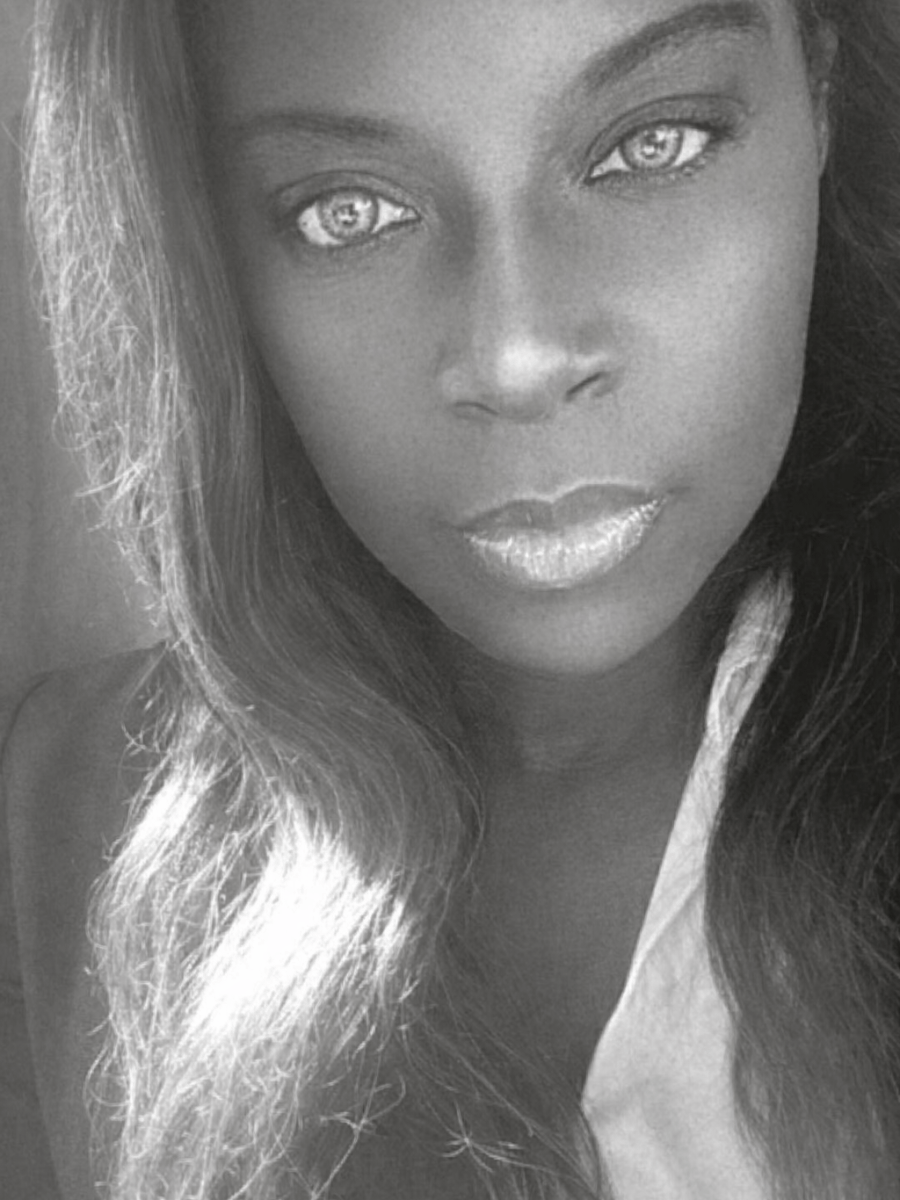
Carmella Parker on Law, Education, and Guiding Institutions Through Change
How do you teach students about laws that are still being written? This interview explores one legal educator’s answer—revealed through experience, strategy, and real-world change inside the evolving legal landscape.
Keep reading
Shannon O’Brien on Travel, Teaching, and Redefining Home
Can a backpack become a home and a classroom at the same time? This interview follows one teacher-writer’s journey to find out—revealed through travel, reflection, and lived experience.
Keep reading
Leon Mitchell on Imagination, Resilience, and Finding the Extraordinary in the Ordinary
What if imagination isn’t an escape but a survival skill you forgot you had? This interview explores that idea—revealed through childhood wonder, discipline, and stories that reflect who we are.
Keep reading
Danielle Simone on Curiosity, Courage, and Learning Through Story
Have you ever wondered what happens when curiosity goes missing in childhood? This interview explores one educator-author’s response—and how stories can invite exploration, reflection, and care for the world around us.
Keep readingWe’d love to hear from you!
What are your thoughts on this piece? Share your insights in the comments below!
- What stood out to you most about this post?
- Have you read a book recently that relates to the themes discussed here?
- What’s your favorite takeaway or reflection from this write-up?
Let’s keep the conversation going—your thoughts make this space richer!
Disclaimer: The content on this site is provided for informational and inspirational purposes only. While we strive for accuracy, the views expressed in reviews, articles, and recommendations are subjective and may not reflect the opinions of all readers.
We receive complimentary copies of all books we review. However, this practice does not compromise the integrity or honesty of our reviews. Every write-up reflects the contributor’s genuine impressions and critical analysis, ensuring transparency and trust with our readers.
For a complete understanding of our practices, please refer to our full Disclaimer, Privacy Policy, and Terms of Service. These documents outline how we manage your information, ensure transparency, and uphold your rights as a user.
To request for a review, to nominate your favorite book for an award, or for more details about our awards, click here.
Other Stories
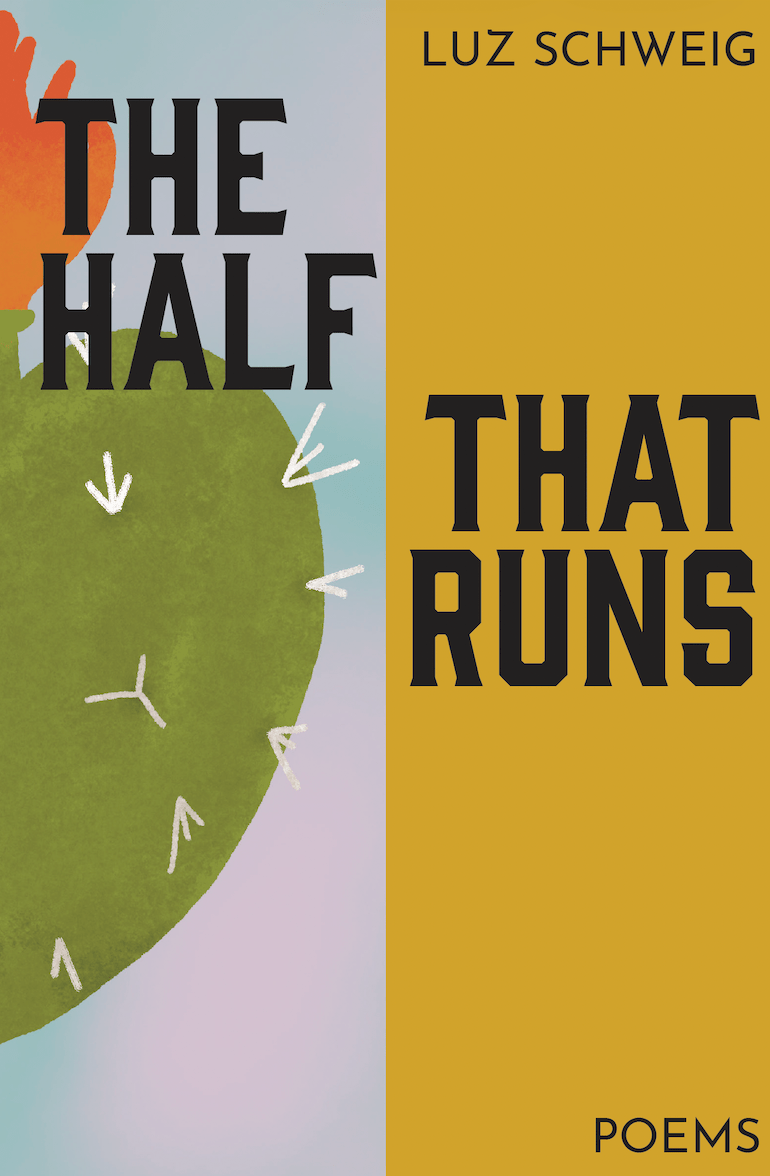
The Half That Runs by Luz Schweig
What if your memories had a geography—one that kept shifting under your feet like sand? Discover how The Half That Runs by Luz Schweig maps identity—read the full piece.
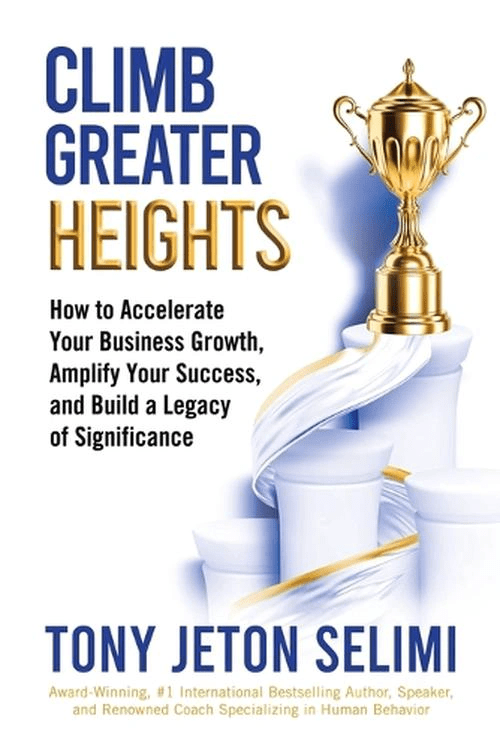
Book Review: Climb Greater Heights by Tony Jeton Selimi
What if your biggest business obstacle isn’t competition but something invisible within you? Discover the answer in Climb Greater Heights by Tony Jeton Selimi—read the full review to explore.
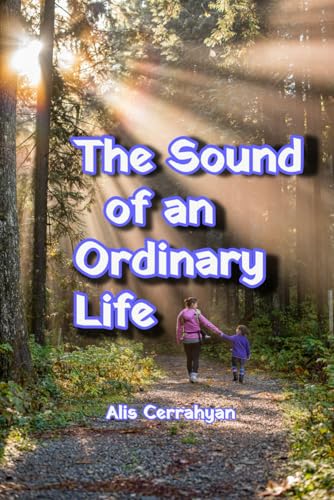
Review of The Sound of an Ordinary Life by Alis Cerrahyan
There are many ways to tell the story of a life. Some choose grand narratives, sweeping arcs of triumph and tragedy. Others, like The Sound of an Ordinary Life, find meaning in the quiet spaces, the moments that seem small but carry the entire weight of a person’s existence.

 OneTribune