

M.A. Quigley transitioned from an office career to writing. Her children’s book, Cat Court, received the Ink and Horizons Book Award and the Wordscape Wonders Award. In this interview, Quigley discusses her shift to writing and the development of the book.
M.A., thank you for joining us today. To start, could you please introduce yourself, tell us a bit about your background, and what inspired you to write Cat Court? We’d love to hear it in your own words.
Thank you for interviewing me. It’s great to be here. I’ve been writing in a diary since I was 12 years old. Since then, my short stories, flash fiction, and poetry have been published in over 30 anthologies worldwide. I completed an associate degree in Professional Writing and Editing in 2015. My debut novel, The Complexities of Love, came out in 2021. I haven’t found what I would call my niche yet, so I’ve written a poetry novel, Bereft, and a Let’s Write a Six-Word Story or a Poem Workbook. As a child, I loved reading picture books, and still do. I thought I would try my hand at writing one. Since then, I’ve written five picture books. I sent Cat Court to agents and traditional publishers and kept getting rejected, so I decided to self-publish it instead. I love writing, and my goal is to explore different genres.
Your book, Cat Court, has earned recognition, winning the Book Excellence Award, Wordscape Wonders Award, and the Ink and Horizons Book Award. What do these recognitions mean to you, and how have they affected your journey as an author?
Winning all of those awards means the world to me because it’s validation that my writing is good. The effort I have put into writing Cat Court hasn’t gone unnoticed. I’ve always doubted myself and my ability to write. Sometimes, I wonder if it’s all worth it, and winning one award, let alone three, makes it all worthwhile. The awards have spurred me on to continue writing when I have felt like giving up, even when I tell myself to keep going and I don’t feel like it.
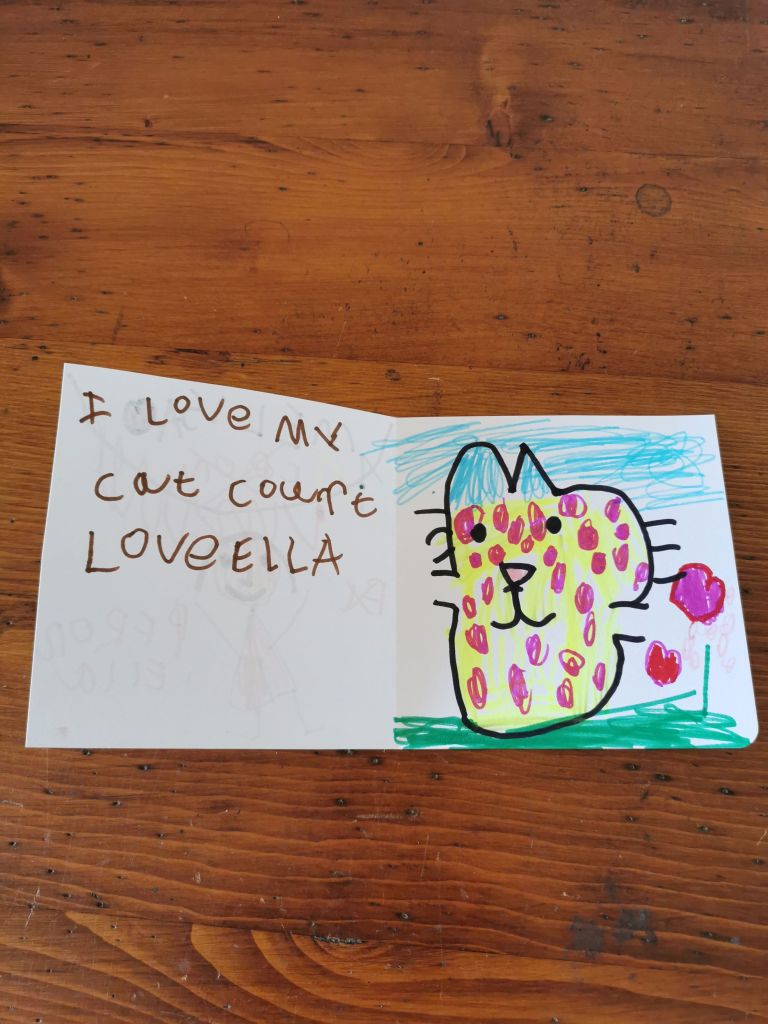

The concept of using cats to teach emotional development is both unique and engaging. Why did you choose cats, and how do their personalities play in the lessons you want to teach young readers?
I used to love the cartoon Top Cat. When I was a child, we had a cat named Sooty. Sooty was like my shadow. She used to make me laugh whenever she imitated me. There are many similarities between cats and babies/children. A mother can determine a baby’s needs by the way it cries. For example, it may need to be fed or have its nappy changed. Some cat owners can determine a cat’s needs by its meow. I chose cats because I think they’re more like humans in their personalities than other animals. Plus, there are many people who own or have owned a cat who will relate to my story.
My nephew was always too busy playing with his toys and would forget to use the bathroom. By showing cats doing the same thing and what the judge says as a result, it leaves an impression on the child reading Cat Court, or a person reading it to them, that they can still play and have fun if they remember to use the bathroom if required. It’s all about teaching common things in a light-hearted way that children need to learn as they grow. Some babies/children and cats hit one another without realising the consequences of their actions. I want to teach babies/children that it’s not okay to hit anyone.
A boy in primary school hit me on the forehead with a piece of paling fence from a building site. My teacher asked me who cut my forehead, and I wouldn’t say because I was frightened the boy would do it again. I hid behind my mum on parent-teacher night when I saw the boy there with his mother. My mum approached them and said what happened. When his mum asked him if it was true, he looked at me with a smirk on his face. The boy received the biggest smack in front of everyone. I actually felt sorry for him. After that, he never hit me ever again.
Cat Court provides a playful yet insightful way to discuss big emotions and decision-making. How do you feel this storytelling approach can help children navigate real-life situations they might face?
Our niece, Ella, wants her mum to read Cat Court to her at least five times a day. It’s the repetition that builds awareness of vocabulary, sentence structure, themes, and story. The theme in Cat Court is about obeying the law. It encourages children to develop simple and effective problem-solving skills if they’re in the same circumstances as the cats and kittens in Cat Court. The cats face similar challenges that children face. Therefore, any child who reads Cat Court can empathise with the cats and kittens and what they are going through. By creating cat/kitten characters, I’m hoping children have more emotional engagement and will recall the story to help with their cognitive development and problem-solving.
You mentioned that Cat Court is not only for kids but also a valuable tool for parents, caregivers, and educators. Could you explain how adults can use the story to foster healthier conversations about emotions with children?
Parents, caregivers, and educators can use Cat Court to reinforce positive behaviours in children through the cats and kittens that the judge sees. They can also discuss what happens in the story with the child/children they are reading to and gauge how they feel about what’s happening in the story. As children grow, they learn how to manage their emotions and conform to the expectations of the world around them. Sometimes, children can do something naughty to express their feelings or to achieve their goals. Cats do the same thing. Often, children don’t understand the impact of their actions and the effect they have on other adults and children. By discussing the storyline in Cat Court with children, adults can teach social and behavioural skills in a friendly manner through the cats and kittens.
The book’s courtroom setting is an interesting choice. How does using a court as a metaphor for emotional learning help communicate the complexity of feelings, responsibility, and consequences?
That’s a good question. To build positive relationships, children need to develop social skills with their peers, teachers, and adults. By that, I mean children need to know how to communicate and cooperate with them, as well as have empathy for other people, both young and old, and to reach a solution where there is conflict. Similarly, these things happen in a courtroom situation.
As someone with a background in both writing and personal growth, what role do you think storytelling plays in emotional intelligence, especially in early childhood development?
It teaches children about the choices that they can make and about the different emotions the characters experience when faced with challenges. Children can read about the challenges the cats and kittens face in Cat Court. It can help them empathise with the cats and kittens and share their perspective. This promotes emotional intelligence because it helps them to navigate their own feelings from a young age.
Stories, even ones for children, often involve characters facing challenges, making choices, and experiencing different viewpoints and emotions, like the cats and kittens in Cat Court. This offers children the opportunity to empathise with them and share the cats’ and kittens’ perspective. This helps nurture their emotional intelligence, enabling them to navigate their own feelings from a young age. It also helps their resilience.
What were some challenges you faced while writing Cat Court, and how did you overcome them?
My biggest challenge at the start was thinking I wouldn’t have enough information to write a story. When I was researching cats and babies/children, I didn’t think there would be many similarities. Unbeknownst to me, there were many.
How do you hope Cat Court will influence the way children understand and manage their emotions, especially in relation to conflict resolution or self-regulation?
I’m hoping Cat Court helps to nurture children’s emotional intelligence, to enable them to navigate their own feelings and boost their resilience.
Looking ahead, what are your future plans for writing, and are there any new projects or books that you’re currently working on that might continue this exploration of emotional development or other important themes?
The publisher of my debut novel, The Complexities of Love, closed its business in December 2024. Since then, I’ve been writing a second edition of that book with a view to self-publish it by the end of May. I’ve also written another novel that I entered into a competition and can’t do anything with until the end of June when the winner will be announced. It’s loosely based on a friend of mine who was murdered in high school in the 70s.
Related

A Review of “Cat Court” by M.A. Quigley
Can a cat be guilty of eating too many snacks—or just misunderstood by the laws of snack physics? You’ll find out the paw-sitively surprising answer inside this courtroom tale for kids and curious grown-ups.
Keep reading
A Review of “Bereft” by M.A. Quigley
Have you ever found solace in a cave—or was it an escape? Discover how one woman’s journey transforms this ancient symbol in unexpected ways.
Keep reading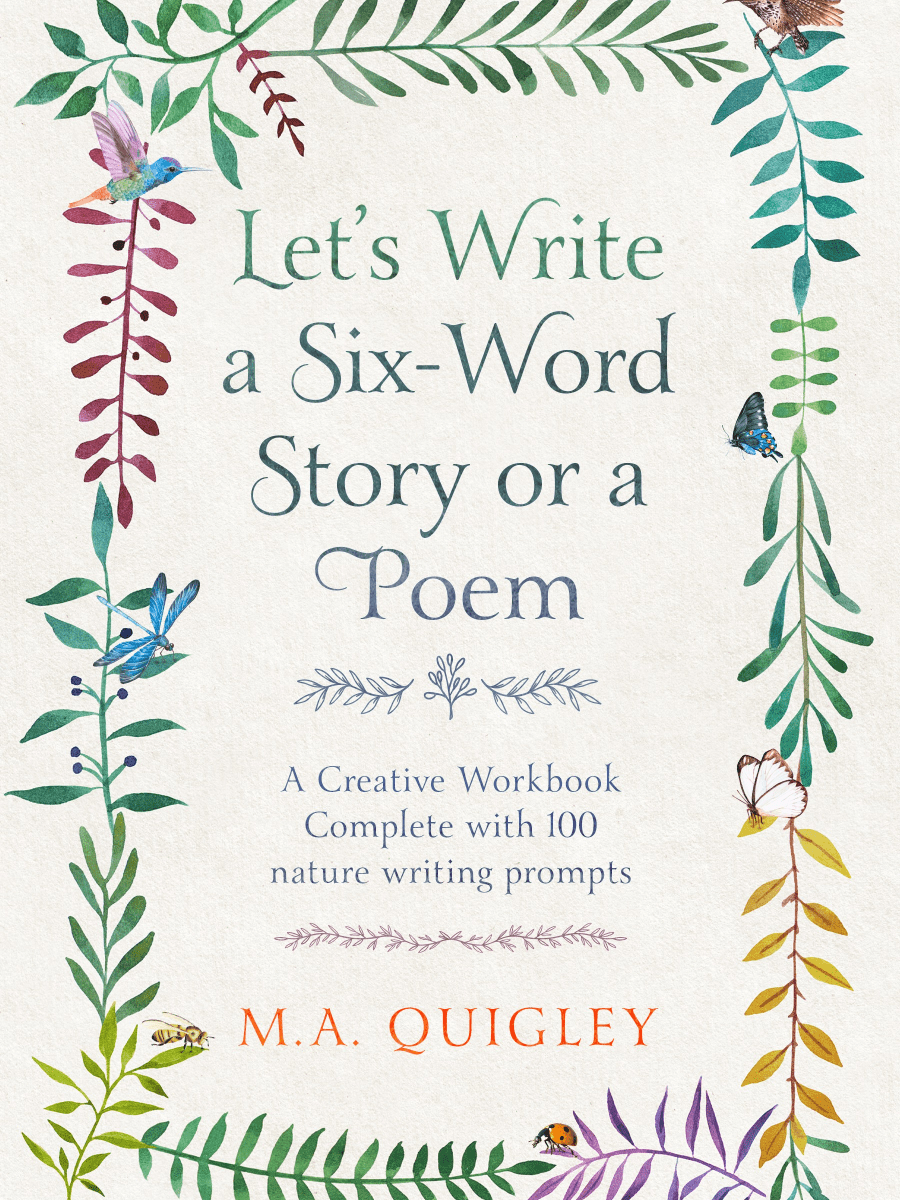
Let’s Write a Six-word Story or a Poem by M.A. Quigley
How do you contain a life, a loss, a moment of joy—in six words? M.A. Quigley’s Let’s Write a Six-word Story or a Poem doesn’t answer that question so much as it dares you to try.
Keep readingA Review of Cat Court by M.A. Quigley
If a cat knocks over your favourite plant, is it a sign of mischief—or a call for emotional support with a side of tuna? Find out how one book gently unpacks the truth.
Keep readingWe’d love to hear from you!
What are your thoughts on this piece? Share your insights in the comments below!
- What stood out to you most about this post?
- Have you read a book recently that relates to the themes discussed here?
- What’s your favorite takeaway or reflection from this write-up?
Let’s keep the conversation going—your thoughts make this space richer!
Disclaimer: The content on this site is provided for informational and inspirational purposes only. While we strive for accuracy, the views expressed in reviews, articles, and recommendations are subjective and may not reflect the opinions of all readers.
We receive complimentary copies of all books we review. However, this practice does not compromise the integrity or honesty of our reviews. Every write-up reflects the contributor’s genuine impressions and critical analysis, ensuring transparency and trust with our readers.
For a complete understanding of our practices, please refer to our full Disclaimer, Privacy Policy, and Terms of Service. These documents outline how we manage your information, ensure transparency, and uphold your rights as a user.
To request for a review, to nominate your favorite book for an award, or for more details about our awards, click here.
Other Stories
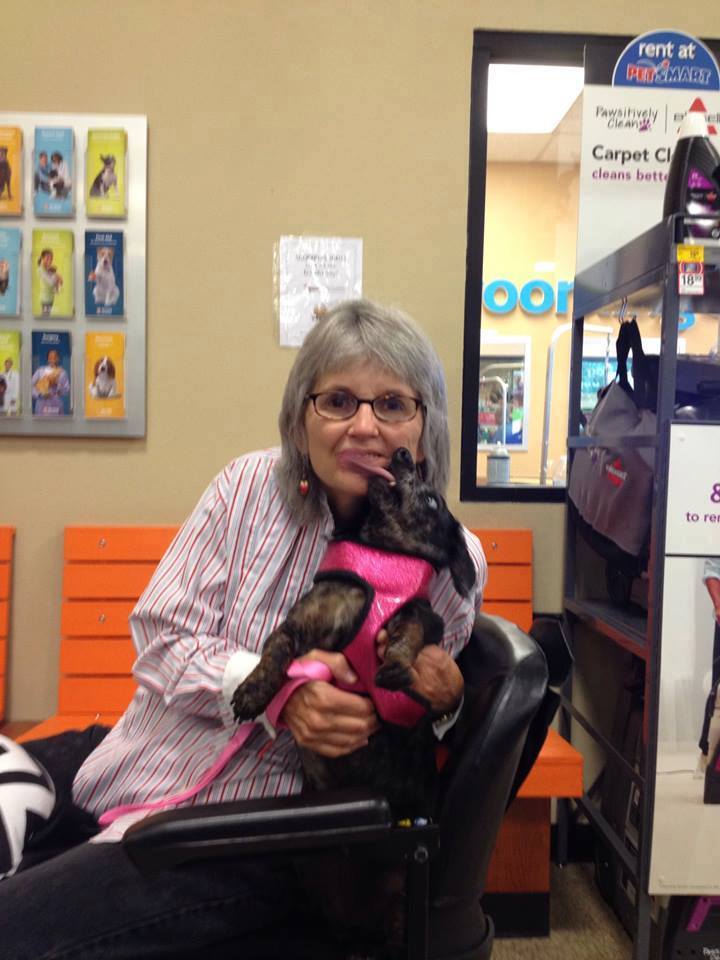
Reimagining Life Through Words and Service with Debra J. White
What happens when life’s hardest blows lead to unexpected purpose? Discover how Debra turned trauma, recovery, and rescued animals into writing and volunteer work that inspires resilience and connection.
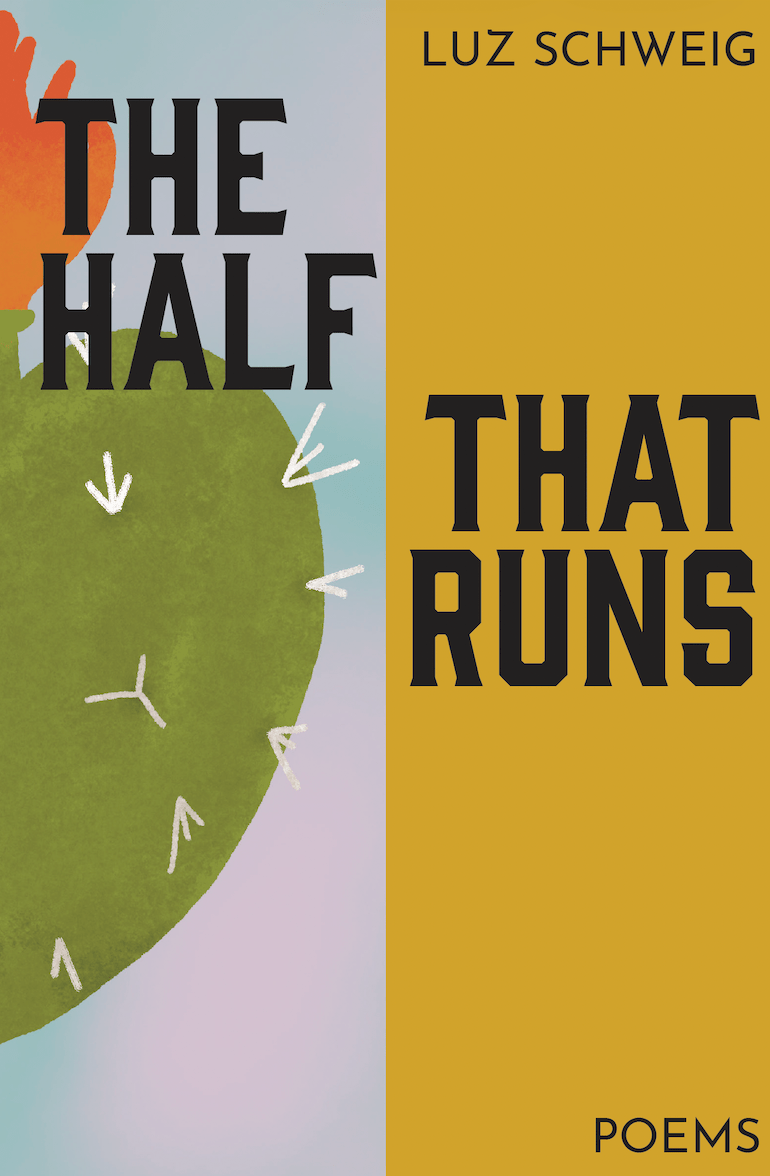
The Half That Runs by Luz Schweig
What if your memories had a geography—one that kept shifting under your feet like sand? Discover how The Half That Runs by Luz Schweig maps identity—read the full piece.
Book Review: Climb Greater Heights by Tony Jeton Selimi
What if your biggest business obstacle isn’t competition but something invisible within you? Discover the answer in Climb Greater Heights by Tony Jeton Selimi—read the full review to explore.

 OneTribune