
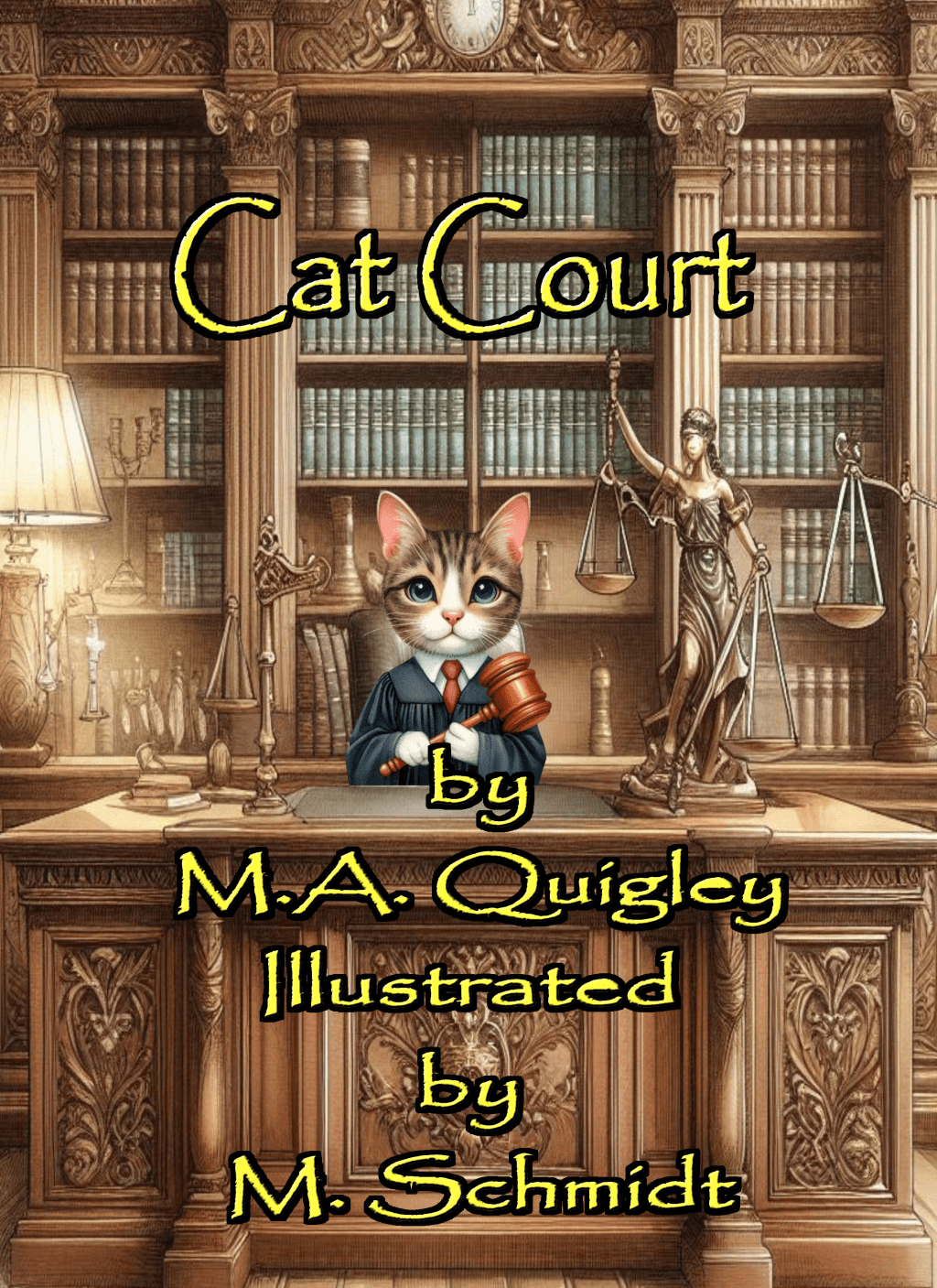
Have you ever seen a child knock over a toy tower with the same glee as a cat knocking a mug off a table? It turns out both are exercising agency—and sometimes, testing boundaries. Studies show that children aged 3 to 7 are developing a sense of cause and effect, and like our feline companions, they’re figuring out their place in the world one toppled item at a time. Enter Cat Court, a book that takes this very human (and animal) behaviour and turns it into a delightfully odd yet insightful way to talk about accountability, choices, and emotional learning.
This isn’t your average “naughty cat” story. It’s a curious blend of a courtroom drama (light-hearted and feline-furnished) and a social-emotional learning guide for children. In this imaginative courtroom, misbehaving cats aren’t punished—they’re heard, understood, and guided. And through them, readers begin to explore the connection between actions, feelings, and better choices. It’s the kind of book that makes a parent pause and think, “Wait, why don’t we talk about mistakes like this more often?”
The Cat’s Out of the Bag—And Ready to Learn
Cat Court opens up a narrative space where behaviour isn’t labelled as “bad” but as a signal. With no shaming or finger-pointing, each feline character enters the court with their own story—a relatable mix of frustration, forgetfulness, or overexcitement. The judge (a fur-coated figure of empathy and gentle structure) listens closely, asks thoughtful questions, and helps guide the cats to a better understanding of themselves.
This approach mirrors a movement in child development called restorative practices. Instead of punishing a behaviour, children are encouraged to reflect, repair, and re-engage in a more thoughtful way. Books that introduce this early—and accessibly—give young readers a critical skill set not just for school, but for life. And what better way to learn it than from whiskered characters who act out exactly like kids sometimes do?
What makes the book tick is its commitment to tone. It’s not preachy. It’s not didactic. It’s clever. The rhythm of the language, the gentle pacing, and the courtroom setting lend a sense of structure that actually mirrors how children process discipline. In the secure, soft confines of cat-led justice, kids can project their own mishaps and see the value in reflection—without ever feeling lectured.
Smart, Soft, and Seriously Useful
The illustrations are expressive and full of character. Each cat has its own quirks, and the art gives clues to their personalities and emotional states—an ideal opportunity for parents and educators to ask, “How do you think this cat is feeling?” or “What might this cat need right now?” This kind of visual literacy-building aligns with research on empathy development in early childhood.
It’s rare to find a picture book that can make young children giggle while quietly introducing behavioural science. Even rarer is a book that parents will want to read with their child, not just to them. Cat Court is one of those books. It creates space for participation, not just absorption. Whether it’s re-enacting the courtroom with stuffed animals or using the story as a jumping-off point for a discussion about feelings, this book opens doors. And keeps them open.
Ink and Horizons Book Award

This book is a winner of the Ink and Horizons Book Award, an accolade dedicated to honoring books that explore the uncharted territories of human experience—stories that invite readers to journey beyond the familiar and engage with the universal themes that unite us all. Whether through vivid fiction, thought-provoking nonfiction, or evocative poetry, the award highlights works that embody the spirit of literary exploration.
We’d love to hear from you!
What are your thoughts on this piece? Share your insights in the comments below!
- What stood out to you most about this post?
- Have you read a book recently that relates to the themes discussed here?
- What’s your favorite takeaway or reflection from this write-up?
Let’s keep the conversation going—your thoughts make this space richer!
Disclaimer: The content on this site is provided for informational and inspirational purposes only. While we strive for accuracy, the views expressed in reviews, articles, and recommendations are subjective and may not reflect the opinions of all readers.
We receive complimentary copies of all books we review. However, this practice does not compromise the integrity or honesty of our reviews. Every write-up reflects the contributor’s genuine impressions and critical analysis, ensuring transparency and trust with our readers.
For a complete understanding of our practices, please refer to our full Disclaimer, Privacy Policy, and Terms of Service. These documents outline how we manage your information, ensure transparency, and uphold your rights as a user.
To request for a review, to nominate your favorite book for an award, or for more details about our awards, click here.
Other Stories
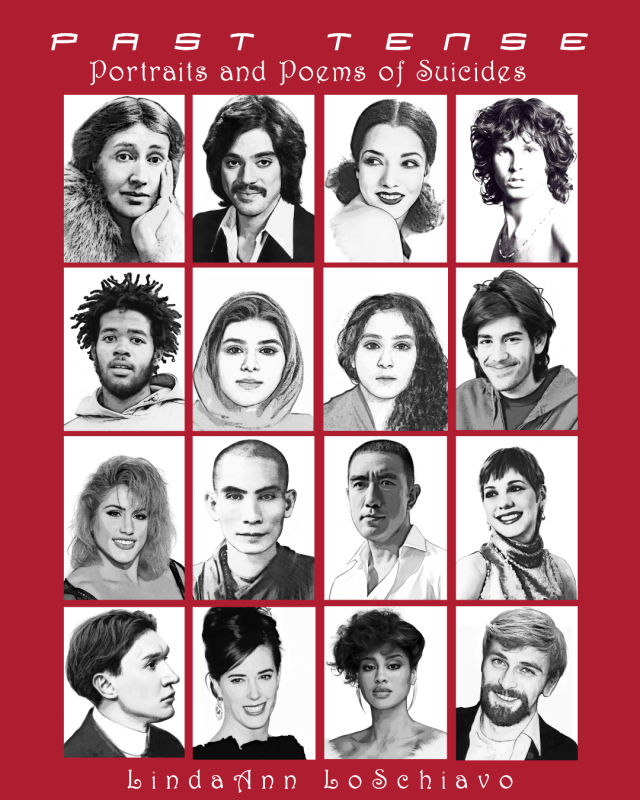
Past Tense by LindaAnn LoSchiavo
Can twenty-three different poetic forms make silence speak without pretending to know everything? Past Tense by LindaAnn LoSchiavo invites readers to investigate through poetry together.

Rajat Chohda: Exploring Conscious Living Through Reflection and Everyday Practice
Can a question about an ordinary family conversation change how you define success? Rajat Chohda explores this journey through his experiences, ideas, and writing; read the full interview to discover.
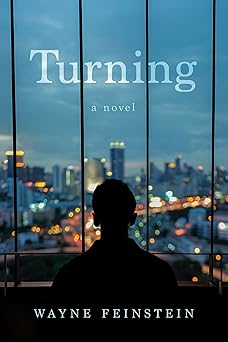
Turning by Wayne Feinstein
What if the loudest room you’ve ever entered was your own memory? Discover how Turning by Wayne Feinstein explores that unexpected question in our full review.