

Have you ever wondered whether a baseball team, a sunset, and a city’s hopes could somehow be keeping score together? Discover the possibility in The Sum of Seven Thousand Sunsets by Will Herman.
The Sum of Seven Thousand Sunsets by Will Herman
Genre: Historical Fiction
Sub-genres: Sports Fiction, Literary Fiction, Americana, Historical Drama
Themes: Community, Hope, Perseverance, Leadership, Friendship, Belonging, Purpose, Resilience, Personal Growth, Civic Identity
Content Warning: Includes discussions of historical prejudice, social tensions, grief, and non-graphic references to tragedy.
When scientists study human well-being, they often find that belonging matters as much as achievement. People thrive when they feel connected to something larger than themselves. That idea sits quietly at the heart of The Sum of Seven Thousand Sunsets, a historical novel that uses baseball not merely as a sport, but as a lens through which to examine community, purpose, and the ways people find one another during uncertain times.
Set in 1916, the story follows the Louisville Blues, a struggling professional baseball club that appears destined for disappointment. Their roster is an unlikely collection of players, their manager is approaching the twilight of his career, and their young owner finds herself responsible for an institution she never expected to lead. On paper, it sounds like the setup for a classic underdog story. In practice, the novel becomes something richer.
One of the book’s most distinctive qualities is its patience. Modern stories often sprint toward dramatic moments, but Herman allows readers to walk alongside his characters. Like a long train journey through changing landscapes, the novel invites observation. Small conversations matter. Quiet reflections matter. Even a sunset matters.
That emphasis on reflection is particularly effective because it mirrors a truth supported by psychology: people often make sense of their lives through stories. We look back, connect events, and search for meaning. The characters in this novel are constantly engaged in that process. They are not merely trying to win games. They are trying to understand who they are, what they owe one another, and what kind of future they wish to build.
Readers expecting nonstop action may be surprised. Baseball certainly plays a major role, and the game sequences are engaging, but the book is ultimately more interested in people than scoreboards. The sport functions as common ground where personalities, ambitions, fears, and hopes intersect. The result is a narrative that feels less like a season recap and more like a portrait of a community.
An anecdote often attributed to sports historians notes that fans rarely remember every statistic from a championship season, but they vividly remember how a team made them feel. Herman appears to understand this instinctively. His focus remains on relationships, trust, mentorship, and shared experiences. The emotional stakes frequently outweigh the athletic ones.
The historical setting is another strength. Rather than treating 1916 as decorative wallpaper, the novel weaves broader social realities into everyday life. Readers gain a sense of a nation experiencing change while ordinary people continue striving, working, worrying, and dreaming. This grounding gives the story weight without overwhelming its central human focus.
Who is this book for? It is for readers who enjoy character-driven historical fiction, thoughtful sports narratives, and stories that value empathy as much as excitement. It is for those who appreciate novels that linger over conversations and personal growth. It may be less suited to readers seeking a fast-paced thriller or a story driven primarily by plot twists.
The Sum of Seven Thousand Sunsets succeeds because it understands something timeless: people rarely remember every victory or setback, but they remember the companions who shared the journey. Like the best sunsets, the novel encourages readers to pause, look carefully, and appreciate what might otherwise pass unnoticed.
Narrative Voyager Award

This book is a winner of the Narrative Voyager Award, which recognizes the transformative power of storytelling. In a world filled with myriad voices and stories waiting to be discovered, this award highlights books that inspire empathy, challenge conventions, and foster connections across borders—be they physical, cultural, or emotional. By celebrating these stories, we hope to create a literary map where every reader can take on journeys of discovery, reflection, and growth.
We’d love to hear from you!
What are your thoughts on this piece? Share your insights in the comments below!
- What stood out to you most about this post?
- Have you read a book recently that relates to the themes discussed here?
- What’s your favorite takeaway or reflection from this write-up?
Let’s keep the conversation going—your thoughts make this space richer!
Disclaimer: The content on this site is provided for informational and inspirational purposes only. While we strive for accuracy, the views expressed in reviews, articles, and recommendations are subjective and may not reflect the opinions of all readers.
We receive complimentary copies of all books we review. However, this practice does not compromise the integrity or honesty of our reviews. Every write-up reflects the contributor’s genuine impressions and critical analysis, ensuring transparency and trust with our readers.
For a complete understanding of our practices, please refer to our full Disclaimer, Privacy Policy, and Terms of Service. These documents outline how we manage your information, ensure transparency, and uphold your rights as a user.
To request for a review, to nominate your favorite book for an award, or for more details about our awards, click here.
Other Stories
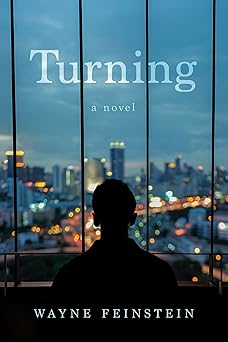
Turning by Wayne Feinstein
What if the loudest room you’ve ever entered was your own memory? Discover how Turning by Wayne Feinstein explores that unexpected question in our full review.

Meditation for Cancer: A Practical Companion for Patients, Families and Caregivers by Arumi Nomad
What if the strongest medicine you carried couldn’t fit inside a bottle? Discover how Meditation for Cancer by Arumi Nomad explores that surprising question in our complete review.
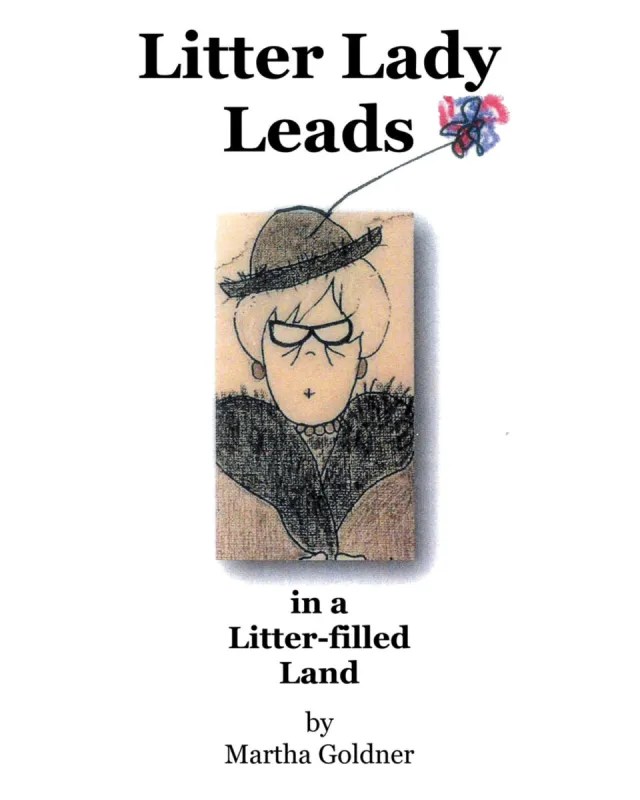
Litter Lady Leads by Martha Goldner
Can one person’s strange habit quietly change an entire neighborhood? Discover why Litter Lady Leads by Martha Goldner asks an unexpected question—and why the full story offers the answer.

 OneTribune