
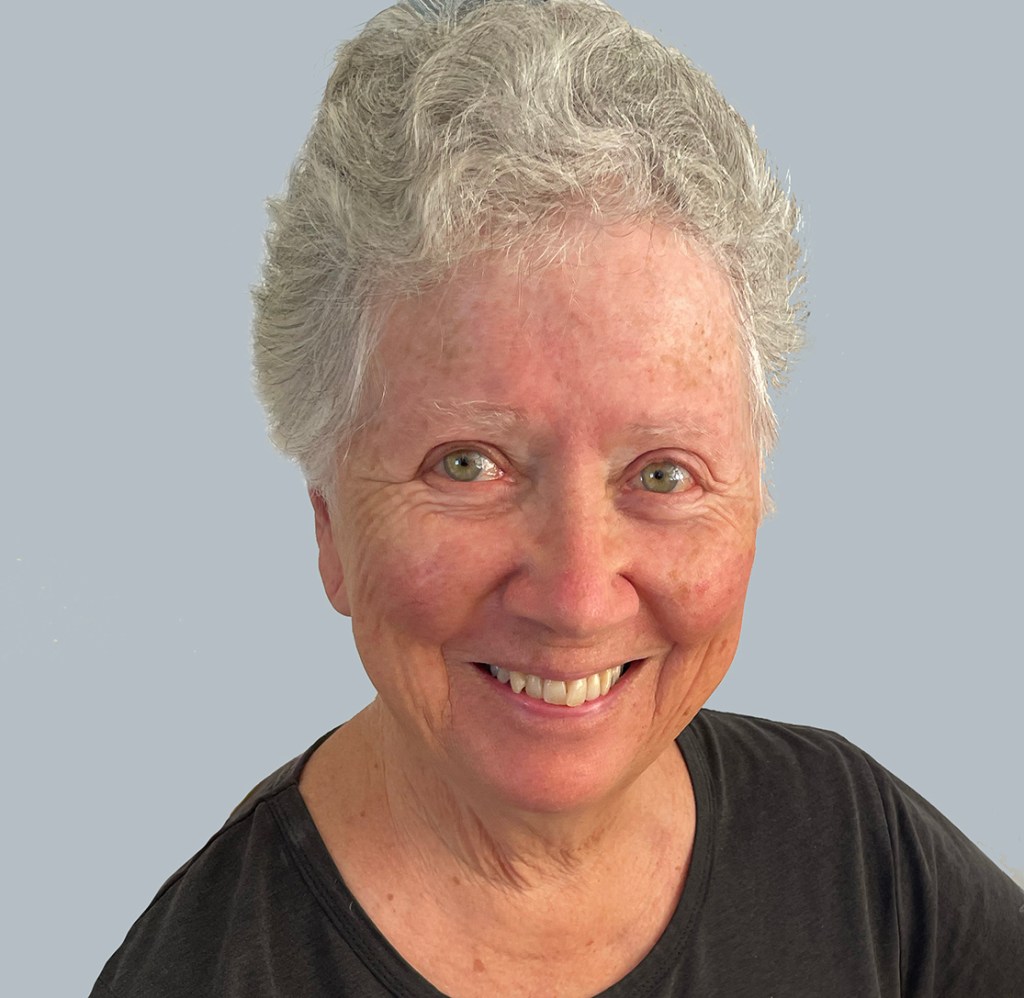
The Reluctant Farmer is Cathryn Wellner’s autobiography about her life as a city dweller who, after ten years of farming, gained a new perspective. This interview offers Wellner’s reflection on the years that her writing and life were shaped by her unanticipated choices and the lessons she learned from them.
Cathryn, thank you for taking the time to speak with us. To begin, could you introduce yourself to our readers and share a bit about your background, your work, and the experiences that led you to write this memoir?
North and south made it easy to believe I had an excellent sense of direction. When I moved away from those familiar horizons, losing confidence in my bearings became oddly liberating. It freed me to find my way in a life I had never planned.
My path meandered from French teacher to school librarian, then into professional storytelling and later community development consulting. Each role taught me something about how people make meaning through stories, and writing faithfully threaded its way through them all.
I came to memoir late, perhaps because some experiences take years to reveal what they mean. The Reluctant Farmer grew from that long reflection.
Your memoir describes a transition from a different professional and personal environment into the world of farming. What initially led you to take that step, and how did the idea for the book emerge from that experience?
Farming was never on my radar, yet it became the most unexpected and formative detour of my life. I was a city woman and envisioned a low-maintenance home I could lock and leave. My husband dreamed of a house with land around it. What began as a compromise quickly became a farm, with sheep, pigs, poultry, and a steep learning curve arriving in quick succession.
When I eventually returned to city life, those rural years remained vivid—the demanding animals, the long learning curve, the star-filled nights, and the sense of living close to forces far larger than myself. The book emerged slowly, after years of realizing that those experiences had shaped me more deeply than I understood at the time.
The narrative presents many learning moments as you adapted to caring for animals and managing a farm. What were some of the earliest lessons that shaped your understanding of rural life?
One of our earliest lessons was that best-laid plans disappear when an animal is in distress. Early in our farming years, a ewe went into labor. We expected things to go as smoothly as earlier lamb births. We were slow to realize her lamb was stuck in the birth canal. Two lives were at stake. With no nearby veterinarian and no experience in animal midwifery, my husband straddled the ewe while I learned, in real time, how to deliver a breech lamb.
Experiences like that taught us that rural life demands quick action long before confidence arrives. Every new animal and every misadventure became part of an education no book could have provided.
The book includes stories about interactions with various animals on the farm. How did those experiences influence your perspective on responsibility and the relationship between people and animals?
My earlier experience with animals had been limited to childhood pets, so I was unprepared for how attached I would become to livestock. I had been a quasi-vegetarian and now found myself raising animals destined for the dinner table. Intellectually, a certain emotional distance seemed prudent.
The animals had other ideas. They revealed distinct personalities and individual needs. A little bantam hen fostered a turkey chick and refused to be separated from him; escaping piglets taught us that a shaken feed bucket worked better than chasing. Over time, I became impatient with people who dismiss careful observation of animals as mere anthropomorphism. Living closely with animals teaches you how much attentiveness they require—and how much they reveal in return.
Farming often involves unpredictable challenges, from weather to livestock care. How did these realities shape the way you approached problem-solving and resilience over time?
Farming teaches you to deal with unpredictability. You wait for the right weather to cut hay, and then your mower breaks down. You are about to leave for an important meeting when the neighbor’s cattle crash through your fence. The freezer holding turkeys meant to pay a stack of bills suddenly fails.
Over time, those interruptions become less alarming because farming also teaches that challenges yield to persistence. Neighbors lend parts or equipment. Meetings can be rescheduled, and setbacks often force better planning. Winter power outages taught us another kind of resilience: with wood stacked, food stored, and feed in the barn, we learned how resilient rural life can make you.
Throughout the memoir, readers encounter both humorous and reflective moments. How did you balance storytelling with thoughtful reflection while writing about these experiences?
A great deal of farm life is so far outside ordinary city experience that laughter becomes a survival skill. My years as a storyteller had trained me to notice which moments carried a tale worth telling, and farms provide no shortage of those.
When I began writing the memoir, I had hundreds of letters and a shelf full of diaries to call on. Sorting through them revealed layers of meaning that were not always visible while I was living those years. The humor was already there in many of the events; reflection came with distance.
The settings in the memoir—from Vancouver Island to the Cariboo region—play an important role in the narrative. How did the landscapes and communities influence your journey and the stories you chose to share?
Leaving Seattle for Vancouver Island introduced me to a landscape that softened me toward rural life: rolling hills, dark forests, ferries, and villages edged by water. Watching orcas from a ferry deck and sunlight moving across green fields made country living surprisingly appealing.
The move to the Cariboo was very different. There the land was wider, harsher, and more demanding, with long winters, greater distances, and a stronger sense of self-reliance. We still had sheep and pigs, but larger animals gradually entered the picture—including, unexpectedly, camels. Later, when I contacted former neighbors for permission to use their names, their warmth reminded me how deeply those communities had shaped the experience.
Writing about personal experiences can involve revisiting both successes and difficult moments. What was the process like for you when reflecting on these events and turning them into a cohesive narrative?
Writing the memoir often felt like stepping onto a roller coaster. Some stories brought immediate laughter; others returned me to grief, uncertainty, or old anxieties. At times, I set the manuscript aside because it felt unwieldy and emotionally demanding.
For several years, I wrote other books instead, perhaps partly to avoid returning to it. Only when my partner and I prepared to move to Australia, aware of how quickly people and memories can be lost, did I decide it was time to finish it properly. I followed Mary Heaton Vorse’s advice: I applied the seat of my pants to the seat of the chair and kept writing, cutting, and reshaping until the book finally felt ready.
Memoirs often encourage readers to think about their own life paths. What kinds of reflections or insights do you hope readers might take away from your story?
At heart, the memoir is about more than farming. It is about accepting responsibility for choices and discovering that unexpected paths can become deeply formative ones. Much of what I undertook during those years had not been part of any life plan, and it began at an age when reinvention can feel improbably late.
What I hope readers take from it is that “it is never too late” is not merely comforting advice but lived reality. Life rarely unfolds neatly, yet we remain capable of learning, adapting, and beginning again.
Looking back on the experiences described in the book, how do you feel the journey into farming influenced your personal outlook and the direction of your life afterward?
At the time, I saw mostly the storytelling potential in those years. Only later did I fully recognize how transformative they had been. Farming encouraged me to take risks, trust my own resourcefulness, and feel at ease among people whose backgrounds differed greatly from mine.
I will always be one of the quiet people. Farming taught me the strengths that come from listening, observing, and staying curious about what is unfamiliar. It made change feel less threatening and transitions more possible.
If you were to write your own bio, what would you say? And as your work evolves, what kind of impact do you hope it has?
Cathryn Wellner is a writer, former storyteller, and reluctant farmer whose work explores place, change, and the unexpected turns that shape a life. Her varied path has included teaching, school librarianship, farming, and community development consulting. Now based in South Australia, she writes memoir, essays, and books shaped by resilience, curiosity, and the stories people carry.
Related
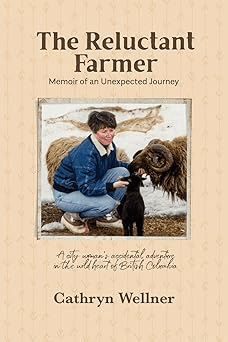
The Reluctant Farmer: Memoir of an Unexpected Journey by Cathryn Wellner
Have you ever wondered what a piglet, a runaway ram, and a hesitant city dweller could possibly teach about courage? Discover the surprising answers in The Reluctant Farmer by Cathryn Wellner.
Keep readingMore Posts Like This

Carmella Parker on Law, Education, and Guiding Institutions Through Change
How do you teach students about laws that are still being written? This interview explores one legal educator’s answer—revealed through experience, strategy, and real-world change inside the evolving legal landscape.
Keep reading
Shannon O’Brien on Travel, Teaching, and Redefining Home
Can a backpack become a home and a classroom at the same time? This interview follows one teacher-writer’s journey to find out—revealed through travel, reflection, and lived experience.
Keep reading
Leon Mitchell on Imagination, Resilience, and Finding the Extraordinary in the Ordinary
What if imagination isn’t an escape but a survival skill you forgot you had? This interview explores that idea—revealed through childhood wonder, discipline, and stories that reflect who we are.
Keep reading
Danielle Simone on Curiosity, Courage, and Learning Through Story
Have you ever wondered what happens when curiosity goes missing in childhood? This interview explores one educator-author’s response—and how stories can invite exploration, reflection, and care for the world around us.
Keep reading
Following the Story: Harker Jones on Writing Across Genres and Ages
What happens when stories choose their own form? In this interview, readers explore how a writer follows ideas across ages and genres, discovering the answer by reading the full conversation.
Keep readingWe’d love to hear from you!
What are your thoughts on this piece? Share your insights in the comments below!
- What stood out to you most about this post?
- Have you read a book recently that relates to the themes discussed here?
- What’s your favorite takeaway or reflection from this write-up?
Let’s keep the conversation going—your thoughts make this space richer!
Disclaimer: The content on this site is provided for informational and inspirational purposes only. While we strive for accuracy, the views expressed in reviews, articles, and recommendations are subjective and may not reflect the opinions of all readers.
We receive complimentary copies of all books we review. However, this practice does not compromise the integrity or honesty of our reviews. Every write-up reflects the contributor’s genuine impressions and critical analysis, ensuring transparency and trust with our readers.
For a complete understanding of our practices, please refer to our full Disclaimer, Privacy Policy, and Terms of Service. These documents outline how we manage your information, ensure transparency, and uphold your rights as a user.
To request for a review, to nominate your favorite book for an award, or for more details about our awards, click here.
Other Stories
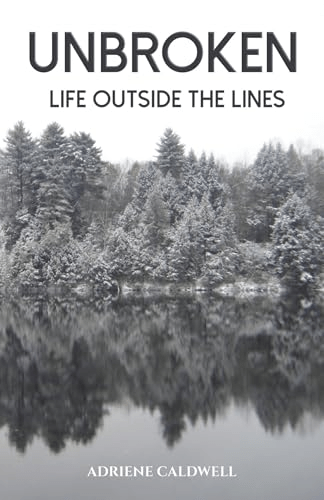
Book Review of Unbroken: Life Outside the Lines by Adriene Caldwell
What if your strongest survival tool wasn’t strength but instinct? In Unbroken: Life Outside the Lines by Adriene Caldwell, discover how one life answers that question—if you dare read on.
Communication is Care: 9 Empowering Strategies to Guide Patient Healing by Jennifer George
What if the most powerful medicine in a hospital wasn’t in a vial or tablet? Discover how human connection reshapes healing in Communication is Care by Jennifer George—explored in the full review.

Holy Parrot by Angel A
Holy Parrot tosses together what seems like the setup for a comic sketch, then deftly morphs it into a deeply human, tender, and investigative journey.

 OneTribune