
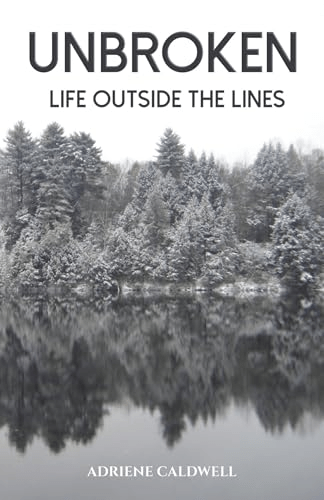
What if your strongest survival tool wasn’t strength but instinct? In Unbroken: Life Outside the Lines by Adriene Caldwell, discover how one life answers that question—if you dare read on.
Unbroken: Life Outside the Lines by Adriene Caldwell
Genre: Memoir, Trauma Narrative
Sub-genres: Psychological memoir, Survival narrative
Themes: Resilience, childhood trauma, systemic failure, identity, survival, family dynamics
Review
There is a curious phenomenon in neuroscience: the brain remembers emotionally intense events more vividly than ordinary ones. That idea sits at the heart of Unbroken: Life Outside the Lines. This is not a book that unfolds gently; it arrives in fragments—sharp, immediate, and difficult to ignore, much like memory itself under stress.
Adriene Caldwell writes with a voice that feels both retrospective and immediate, as though the past is never entirely past. The story centers on her childhood and young adulthood, shaped by instability, poverty, and a family environment marked by untreated mental illness. Yet what stands out is not just what happens, but how it is remembered: through sensory detail, fleeting moments of safety, and the strange logic children develop to survive circumstances they cannot control.
There is an anecdote early on involving a simple childhood outing that turns abruptly into something life-altering. It is written in such a way that the reader feels the shift before fully understanding it. This mirrors a psychological truth: children often sense danger before they can name it. The book returns to this idea repeatedly—instinct as a form of intelligence.
Interestingly, the narrative does not rely on grand revelations. Instead, it accumulates meaning through repetition: cycles of instability, brief moments of care, and the constant recalibration of trust. Readers may find themselves asking: what actually defines a “normal” upbringing? Is it stability, safety, or simply the presence of someone who sees you?
The figures in Caldwell’s life are not painted in simple terms. Some offer warmth in small, lasting ways; others contribute to harm, sometimes unintentionally. This complexity makes the book feel grounded rather than exaggerated. It also aligns with what research tells us about adverse childhood experiences: outcomes are rarely shaped by a single event, but by patterns over time.
The writing style leans toward vivid and sometimes poetic descriptions, occasionally bordering on overwhelming. For some readers, this intensity will be immersive; for others, it may feel relentless. That duality defines the book’s appeal.
This is a book for readers who are willing to engage with difficult realities and who value honesty over comfort. It will resonate with those interested in psychology, resilience, or the long-term effects of childhood environments. It may not suit readers seeking escapism, light storytelling, or neatly resolved narratives.
Ultimately, Unbroken: Life Outside the Lines asks a quiet but persistent question: how does a person continue when stopping feels easier? It does not offer a single answer. Instead, it presents a life that continues anyway—step by step, decision by decision—suggesting that survival itself can be a form of meaning.
Content Warning
This book contains intense and graphic depictions of abuse, violence, and trauma involving children, as well as themes of mental illness and suicide.
Other Stories
Communication is Care: 9 Empowering Strategies to Guide Patient Healing by Jennifer George
What if the most powerful medicine in a hospital wasn’t in a vial or tablet? Discover how human connection reshapes healing in Communication is Care by Jennifer George—explored in the full review.
Keep reading
The Reluctant Farmer: Memoir of an Unexpected Journey by Cathryn Wellner
Have you ever wondered what a piglet, a runaway ram, and a hesitant city dweller could possibly teach about courage? Discover the surprising answers in The Reluctant Farmer by Cathryn Wellner.
Keep reading
Holy Parrot by Angel A
Holy Parrot tosses together what seems like the setup for a comic sketch, then deftly morphs it into a deeply human, tender, and investigative journey.
Keep reading
Carmella Parker on Law, Education, and Guiding Institutions Through Change
How do you teach students about laws that are still being written? This interview explores one legal educator’s answer—revealed through experience, strategy, and real-world change inside the evolving legal landscape.
Keep reading
The Stress Book by Dr. D. Terrence Foster
What do dental floss, your Wi-Fi signal, and your unresolved childhood goals have in common? Surprisingly, a lot. Read on to see how they all tie into your everyday stress—and how this book untangles it.
Keep readingWe’d love to hear from you!
What are your thoughts on this piece? Share your insights in the comments below!
- What stood out to you most about this post?
- Have you read a book recently that relates to the themes discussed here?
- What’s your favorite takeaway or reflection from this write-up?
Let’s keep the conversation going—your thoughts make this space richer!
Disclaimer: The content on this site is provided for informational and inspirational purposes only. While we strive for accuracy, the views expressed in reviews, articles, and recommendations are subjective and may not reflect the opinions of all readers.
We receive complimentary copies of all books we review. However, this practice does not compromise the integrity or honesty of our reviews. Every write-up reflects the contributor’s genuine impressions and critical analysis, ensuring transparency and trust with our readers.
For a complete understanding of our practices, please refer to our full Disclaimer, Privacy Policy, and Terms of Service. These documents outline how we manage your information, ensure transparency, and uphold your rights as a user.
To request for a review, to nominate your favorite book for an award, or for more details about our awards, click here.
Other Stories
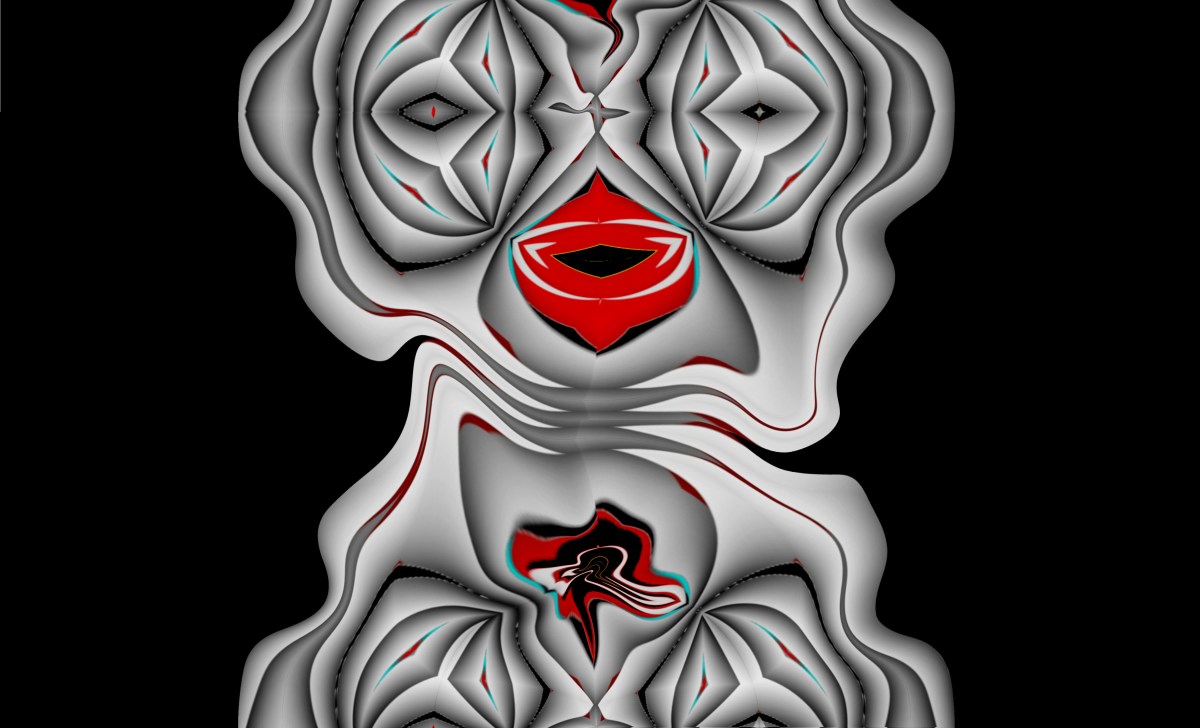
Grieving Ic by Edward Michael Supranowicz
What does a feeling look like when it turns symmetrical? Spend time with Edward Michael Supranowicz’s artwork, let its forms speak, and discover meaning by lingering with the image quietly.
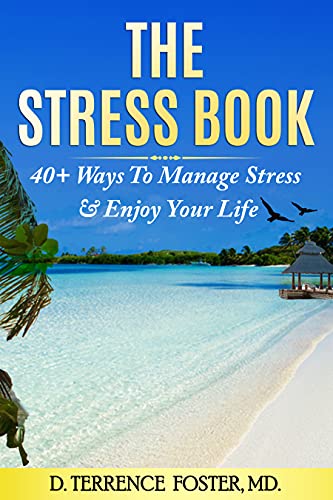
Book Review: The Stress Book by Dr. D. Terrence Foster
If an octopus could text, juggle, cook, plan a future, soothe trauma, and still feel behind—would it read The Stress Book? You’ll find out why that’s relevant as you read on.
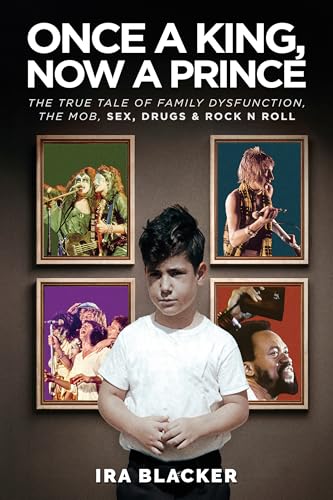
Once A King, Now A Prince by Ira Blacker
What happens when imagination becomes a survival skill instead of a pastime? Once A King, Now A Prince by Ira Blacker reveals the answer—if you’re willing to follow the journey.

 OneTribune