
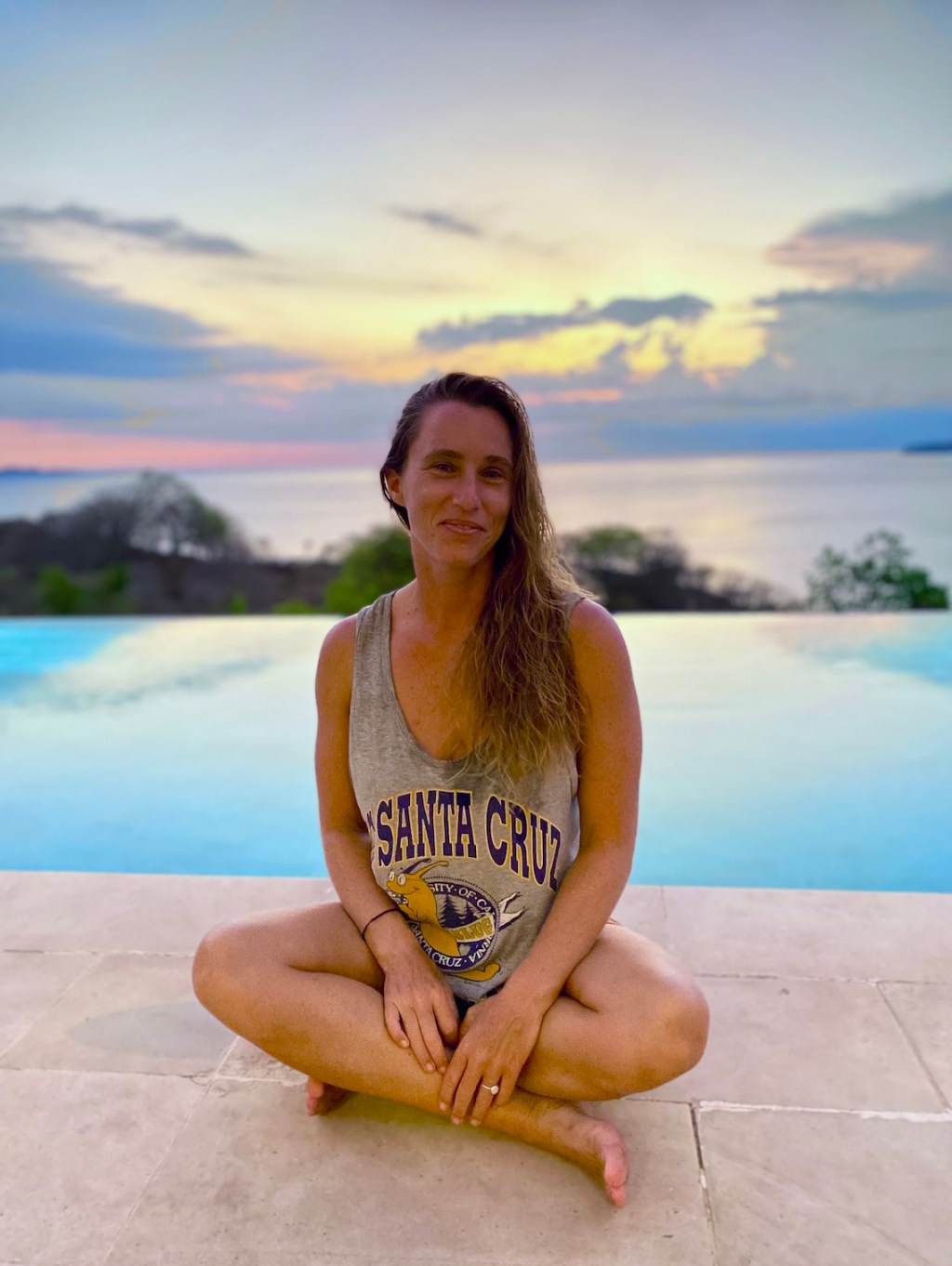
For Shannon O’Brien, work and identity extend beyond a single profession. An international primary school teacher and writer, she draws on years living abroad to explore resilience, belonging, and personal growth. In this interview, she reflects on how travel, education, and reflection shape her writing and understanding of home.
Shannon, thank you for speaking with us. To begin, could you introduce yourself and share what you do, as well as what motivates your work and writing?
Of course! Hi, I’m Shannon. I always find it interesting that when people ask, “What do you do?” they usually mean professionally, but we’re so much more than our jobs, right? What I “do” spans many things. I’m obsessed with travel (I’m literally always planning the next trip), and I feel most at home in nature—whether hiking, surfing, snorkeling, rock climbing, or just reading a good book on the beach. Yoga is also a big part of my life; movement keeps my busy mind grounded.
Professionally, I’m a primary school teacher in international schools. I love working with children—their curiosity, playfulness, and openness to the world is inspiring. But writing is what really fills my cup. I’m drawn to memoirs and stories of travel, hardship, and resilience because I’m fascinated by what humans can endure, and how they can survive and thrive through adversity. I realized I have my own stories that resonate with that same energy, and I’m truly excited to share them with the world.
Your travels span environments as different as jungles, river communities, mountain towns, and dense urban centers. What initially led you to explore so many parts of the world firsthand?
My love of travel probably started with my father. He loved exploring the world and often took us on elaborate family trips. I think that early exposure planted a seed. For me, travel has always been about more than seeing new places; it’s about growth and learning.
When you’re thrown into a new country, surrounded by different cultures, beliefs, and ways of living, you’re forced to observe, adapt, and question what you thought you knew. You can’t help but reflect on your own assumptions, embrace new perspectives, and sometimes hold even tighter to the values that matter most. That’s really the heart of why I travel: for me, it’s a way to evolve and grow rather than staying stagnant in one place. Comfort zones scare me more than anything, and travel keeps me moving, both literally and intellectually.
Many readers resonate with the theme of learning through experience. Can you talk about a moment in your journeys that significantly shifted the way you understand yourself or others?
Oh, this is a long story—but one that truly shaped me. During COVID, I got “stuck” in a remote village on the Indonesian island of Sumatra. What was supposed to be a two-week holiday turned into eight months of living there. At that time, three other women and I were the only foreigners in the village, so naturally we became completely embedded in local life. I even ended up with a local boyfriend!
Living there forced me to reflect deeply on my upbringing and my culture. The villagers lived an intensely communal life: everything was shared, and no one ate without inviting others along. Coming from the extremely individualistic American society I grew up in, I struggled with this, and it forced me to confront some dark truths about myself and my culture. On top of that, I grappled with loneliness and the unknowns of a global pandemic.
This experience also hit me with the reality of my privilege. The village community depended on tourism, and with that completely halted, many of my friends didn’t know where their next meal would come from or how to keep a roof over their heads. I found myself in an awkward position, being asked for help while recognizing the enormous gap between my life and theirs. It was a humbling, eye-opening lesson in how birth and circumstance shape everything.
I go into much more detail about this transformative period in my second memoir, which I hope to share with the world one day, when the time is right.
Cultural immersion plays a major role in your story. How did being a guest in so many different communities influence your views on connection and communication?
I truly believe that connection and belonging are everything. Humans are social creatures. We need one another to thrive. Look at the Blue Zones—researchers point to strong communities as a key factor in longevity. Of course, connection requires communication, a skill we all need to practice (myself included) and one I explicitly teach my students.
Being a guest in so many different communities reinforced this belief for me. No matter how different our lifestyles, beliefs, languages, backgrounds, or education levels might be, there are always common threads—shared emotions, experiences, and feelings that bind us together. At the same time, our differences are incredible opportunities for learning and growth. When we approach them with intrigue and curiosity instead of judgment, we can admire what we see and even integrate practices that resonate with us into our own lives. Cultural immersion taught me to both embrace commonality and celebrate difference, and to approach every new connection with openness and respect.
Throughout your travels, you encountered people whose lives differed greatly from your own. What approaches helped you engage with these individuals respectfully and openly?
I’ve always believed that everyone deserves respect, no matter how different their lives, beliefs, or choices are from your own. Listening deeply, asking thoughtful questions, and resisting the urge to judge allows you to connect on a human level. I’ve found that showing genuine interest and treating people with basic dignity opens doors to understanding, empathy, and meaningful connection, even across very different worlds.
Personal growth is often nonlinear. What were some of the unexpected lessons that surfaced only after you spent time reflecting on your experiences?
Reflecting on past experiences is really the only way the deeper lessons reveal themselves for me. In 2018, my father went missing in Thailand—a long and traumatic story that I share more fully in my second memoir—but it taught me a lot about who truly has my back in a crisis.
Sure, hundreds of people reached out via email or social media, “sending love and support,” but when it came to actual, on-the-ground help, the list of people I could really count on was surprisingly small. Through that experience, I learned how precious it is to have even one or two reliable people in your corner.
I’m incredibly grateful for my mother, sister, cousins, and aunt—my steadfast support network. Despite differences or the usual family dramas, they are the ones who showed up when it mattered most. That experience reinforced the importance of nurturing those relationships fiercely and recognizing the true value of dependable, caring connections.
Your story includes moments of challenge and uncertainty. Without focusing on the difficult details, what grounded you and helped you move forward constructively during those times?
When facing difficult challenges, I think the only real option is to keep moving forward. It’s that or give up entirely. I’m constantly in awe of humanity’s drive to survive, and that’s exactly what I’ve been doing—and will continue to do—for as long as I can.
Of course, maintaining a positive mindset helps, even if it’s easier said than done. Instead of asking, “Why is this happening to me?” I try to shift the question to, “What can I learn from this experience?” I’m not convinced that everything happens for a reason, despite the cliché, but I do know that with the right mindset, every hardship can teach us something valuable and help us gain strength, insight, or a deeper understanding of ourselves and the world around us.
Many readers look for practical wisdom from lived experience. What habits or mindsets from your travels have influenced the way you navigate everyday life now?
This is a great question! My travels began as a poor backpacker, stretching every penny because the longer my money lasted, the longer I could keep traveling. Seeing firsthand in places like South America and Southeast Asia how far your money can go taught me to be incredibly mindful—and yes, frugal—in daily life.
I have a strong understanding of how far my money can take me, and I want to be taken! So I’m quite cheap when it comes to eating out or little pleasures like a coffee at a café. At the same time, I’ve learned to “go big.” Having survived a few near-death experiences, I’ve come to fully appreciate that this life is ours, and it’s the only one we get. When that sinks in, everything changes—you say yes to experiences, you take chances, and you embrace life as it’s happening.
Gratitude is another habit I carry with me. Traveling has shown me how many people live without privileges that I often take for granted. Here we are complaining, always comparing ourselves to someone “above us,” but the reality is there is always someone with more problems and less privilege. You are the lucky one. Anyone alive is. Stay grateful, and always remember: it is not happiness that makes us grateful, but gratefulness that makes us happy.
Traveling for long periods can reshape one’s understanding of “home.” How did your journeys alter or clarify what that concept means to you?
Ah yes—“home.” Such an interesting concept, and one that can mean so many different things to different people. For me, home is not a fixed place; that idea ended long ago. I’ve been living and working abroad for 15 years, and I’ve made home in over nine countries. What really defines home for me isn’t the location—it’s the people.
Last year, my husband and I, newly married, took off on what we called a “one-year honeymoon” trip. I’ll admit, I was surprised to miss a traditional home base, but as long as Mat was by my side, it felt like home. We’d drop our backpacks in the corner of whatever modest accommodation we found, unpack a few essentials, and that was enough. Over time, I’ve come to take pride in the fact that my backpack has become my portable home—it carries everything I need, like a turtle.
Of course, the truest sense of home is with my family—my mom and sister. My sister, also an international educator, moves frequently for work, so wherever we meet—Bali, China, Switzerland, France, Fiji, California—you name it—it becomes home. That sense of belonging, no matter where we are in the world, has made me profoundly grateful and reshaped my understanding of what “home” truly means.
You’ve explored identity, courage, and reinvention across different continents. What guidance would you offer to someone seeking meaningful change in their own life, even if they aren’t traveling far from home?
Meaningful change, to me, is far more about mindset than geography. You don’t have to travel the world to transform your life. You have to be willing to reflect honestly, ask yourself hard questions, and make small, intentional choices each day that align with who you want to be.
I think it’s essential to regularly check in with yourself: Are you living according to your values? Are you moving toward what brings you fulfillment, or just going through the motions? What do you reach for when you have nothing to do? How you spend that unstructured time matters more than we often realize. Those moments aren’t filler; they’re your life unfolding in real time. They shape your habits, your mindset, and ultimately the direction you move in.
There’s a quote from Steve Jobs that has always stuck with me. In his 2005 Stanford commencement speech, he said, “If today were the last day of my life, would I want to do what I am about to do today?” Whenever the answer was “no” for too many days in a row, he knew something needed to change. I find that incredibly grounding.
If you were to write your bio in your own words, what would you say? Looking ahead, what kind of long-term impact would you like your work to have?
This question reminds me of that classic writing prompt where you craft your own obituary. It’s a really valuable exercise for reflecting on who you want to be and how you want to be remembered. If I were to write my bio in my own words, it might go something like this:
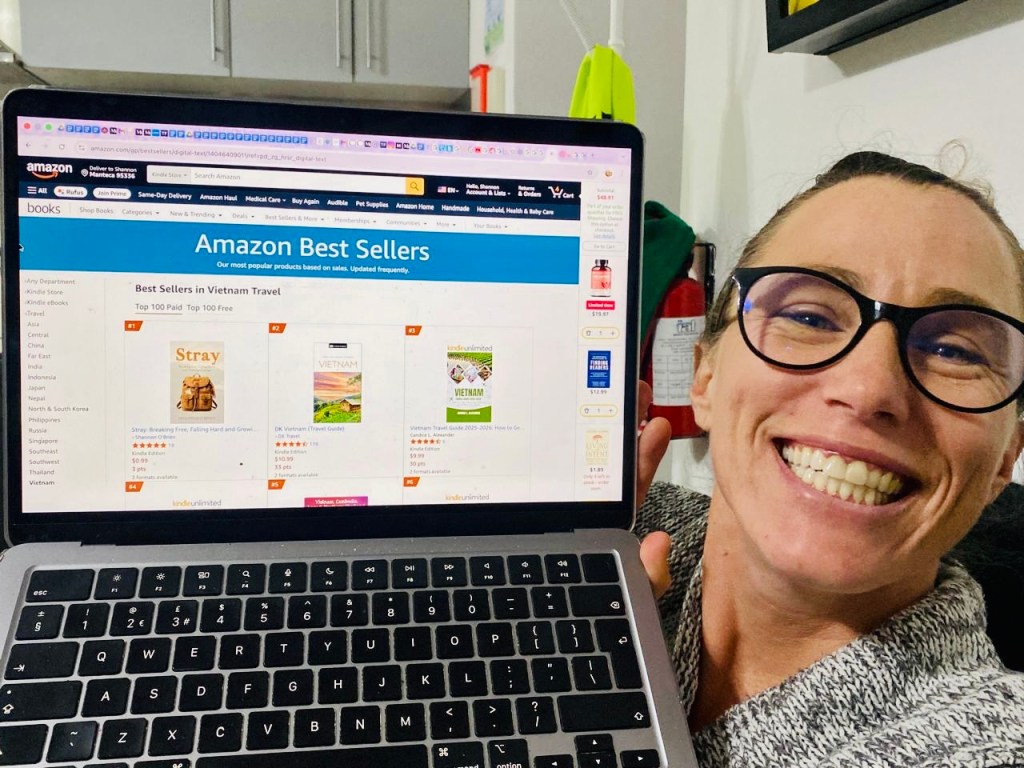
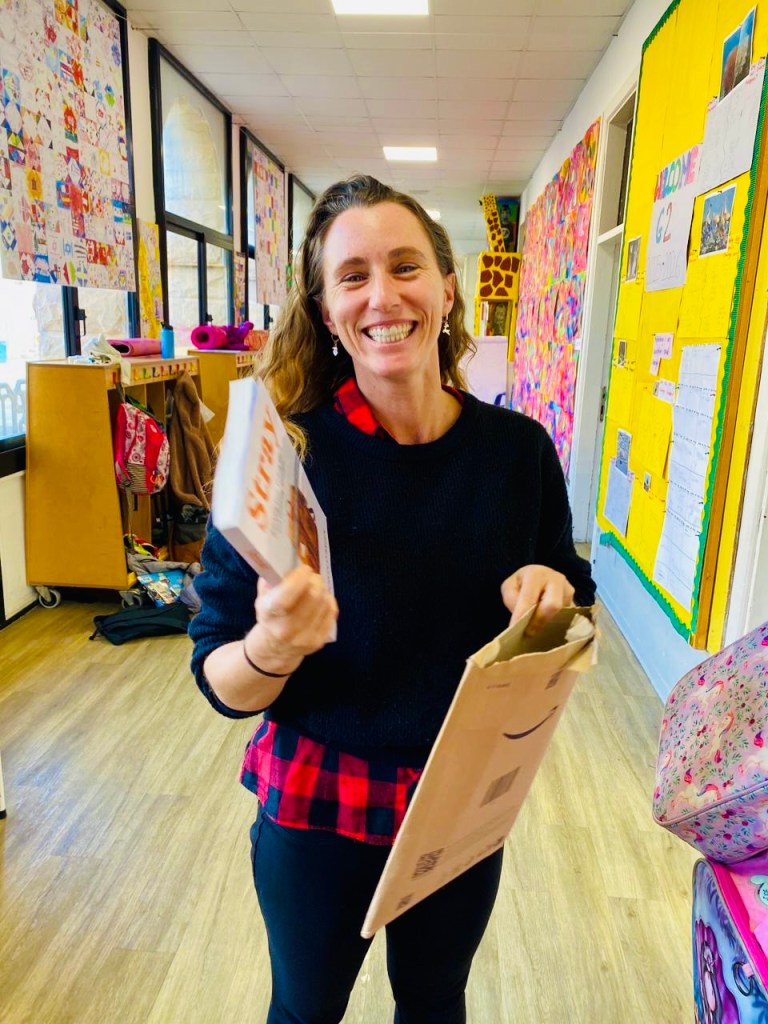
“Shannon O’Brien is an obsessive traveler, nature lover, Amazon best-selling author, proud auntie, devoted wife, and international school educator. The concept of ‘home’ is a moving target for her, but she finds it in the beautiful people she surrounds herself with, because she believes that without community and belonging, we are nothing. Through living intentionally and sharing her writing with the world, Shannon hopes to inspire others to step beyond their comfort zones, remain open-minded to different lifestyles and perspectives, and stay resilient in the face of life’s challenges—always learning, growing, and moving forward.”
Ultimately, I hope my legacy is one of curiosity, connection, and courage—that I encouraged others to embrace life fully, explore the world both outwardly and inwardly, and trust in their own strength to navigate whatever comes their way.
(Featured image credit: Shannon O’Brien)
Related
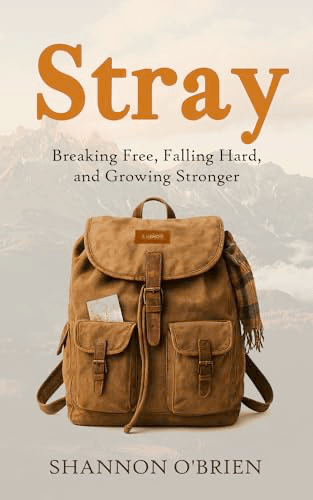
Stray: Breaking Free, Falling Hard, and Growing Stronger by Shannon O’Brien
Have you ever wondered why some people discover their strongest selves only after getting completely lost—literally and emotionally? This piece explores that question, and you’ll find the surprising insight within the full write-up.
Keep readingMore Posts Like This
Learning from the Land: A Conversation with Cathryn Wellner on Life’s Unexpected Lessons
Ever wondered what it’s like to raise sheep, pigs, and camels while learning life lessons along the way? Cathryn Wellner shares her unexpected journey, and readers will discover how she adapted and thrived.
Keep reading
Carmella Parker on Law, Education, and Guiding Institutions Through Change
How do you teach students about laws that are still being written? This interview explores one legal educator’s answer—revealed through experience, strategy, and real-world change inside the evolving legal landscape.
Keep reading
Leon Mitchell on Imagination, Resilience, and Finding the Extraordinary in the Ordinary
What if imagination isn’t an escape but a survival skill you forgot you had? This interview explores that idea—revealed through childhood wonder, discipline, and stories that reflect who we are.
Keep reading
Danielle Simone on Curiosity, Courage, and Learning Through Story
Have you ever wondered what happens when curiosity goes missing in childhood? This interview explores one educator-author’s response—and how stories can invite exploration, reflection, and care for the world around us.
Keep reading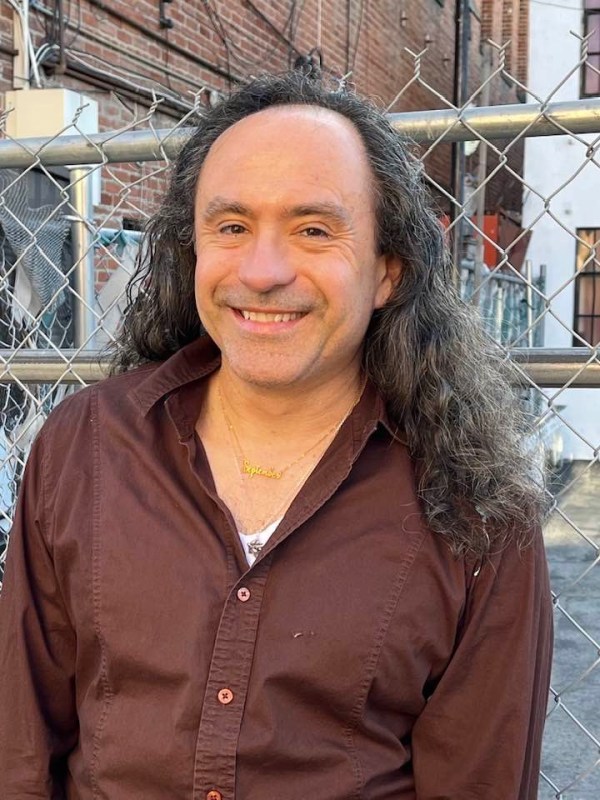
Following the Story: Harker Jones on Writing Across Genres and Ages
What happens when stories choose their own form? In this interview, readers explore how a writer follows ideas across ages and genres, discovering the answer by reading the full conversation.
Keep readingWe’d love to hear from you!
What are your thoughts on this piece? Share your insights in the comments below!
- What stood out to you most about this post?
- Have you read a book recently that relates to the themes discussed here?
- What’s your favorite takeaway or reflection from this write-up?
Let’s keep the conversation going—your thoughts make this space richer!
Disclaimer: The content on this site is provided for informational and inspirational purposes only. While we strive for accuracy, the views expressed in reviews, articles, and recommendations are subjective and may not reflect the opinions of all readers.
We receive complimentary copies of all books we review. However, this practice does not compromise the integrity or honesty of our reviews. Every write-up reflects the contributor’s genuine impressions and critical analysis, ensuring transparency and trust with our readers.
For a complete understanding of our practices, please refer to our full Disclaimer, Privacy Policy, and Terms of Service. These documents outline how we manage your information, ensure transparency, and uphold your rights as a user.
To request for a review, to nominate your favorite book for an award, or for more details about our awards, click here.
Other Stories
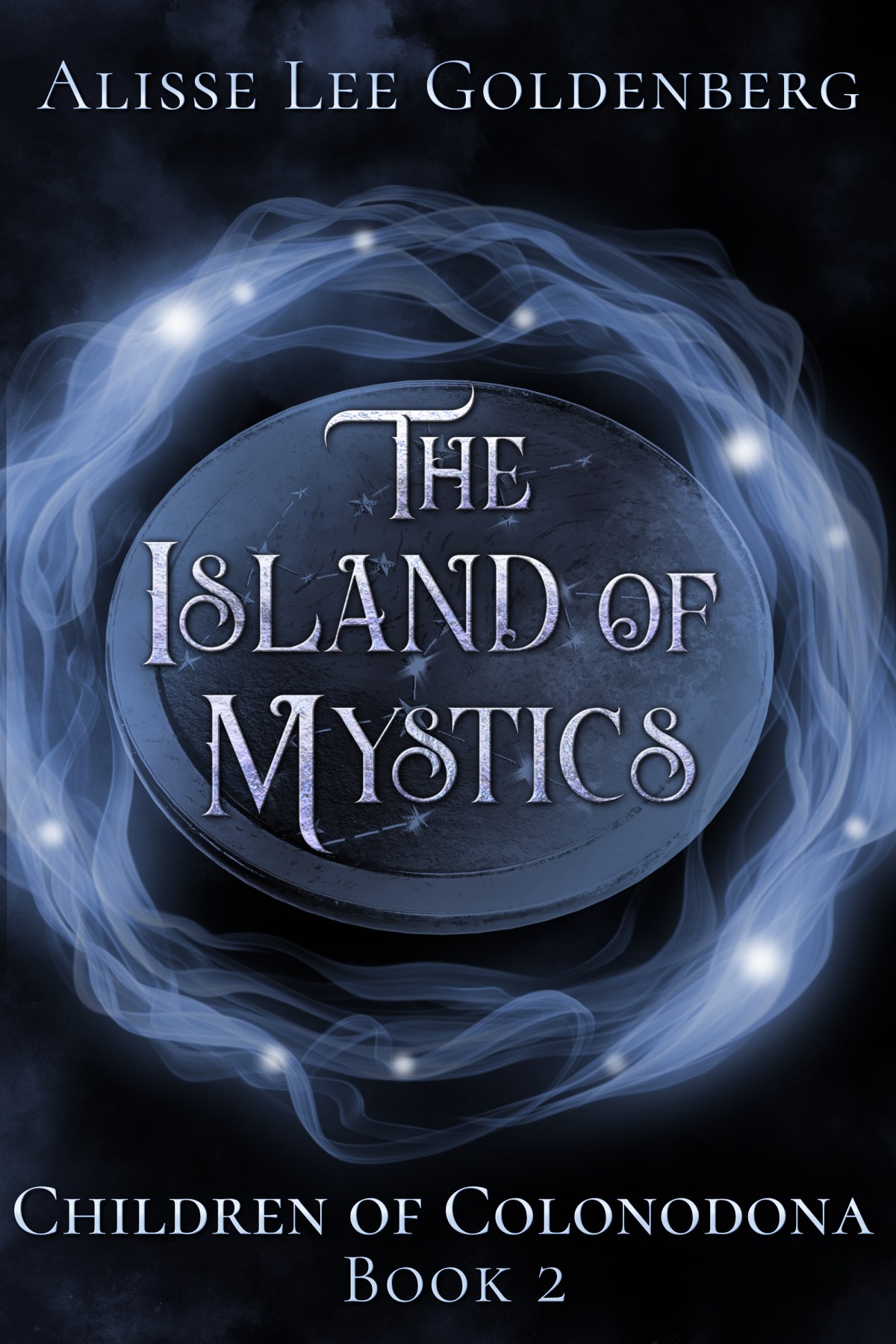
Book Review: The Island of Mystics by Alisse Lee Goldenberg
Can two runaways outrun their own thoughts? In The Island of Mystics by Alisse Lee Goldenberg, follow a journey where escape may reveal more than staying ever could.

Growth Unlocked – Books That Show the Power of Transformation
Personal growth is often a journey of trials, resilience, and, ultimately, transformation. In literature, these journeys reveal the potential within us to change, evolve, and discover our truest selves—even in the face of adversity. “Growth Unlocked” stories tap into the essence of self-discovery, resilience, and the process of becoming something more than we once were.…
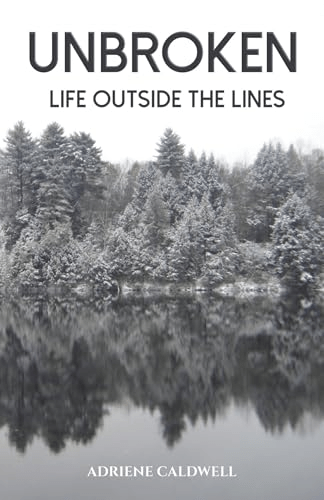
Book Review of Unbroken: Life Outside the Lines by Adriene Caldwell
What if your strongest survival tool wasn’t strength but instinct? In Unbroken: Life Outside the Lines by Adriene Caldwell, discover how one life answers that question—if you dare read on.

 OneTribune