Have you ever wondered why some people discover their strongest selves only after getting completely lost—literally and emotionally? This piece explores that question, and you’ll find the surprising insight within the full write-up.
Book Title and Author
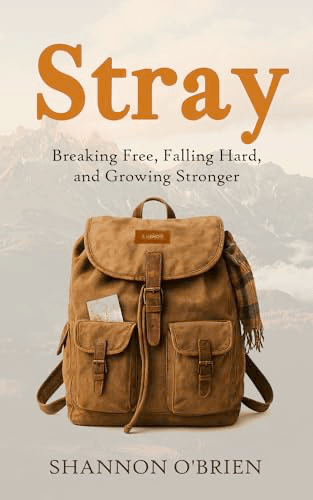
Stray: Breaking Free, Falling Hard, and Growing Stronger by Shannon O’Brien
Genre, Sub-Genres, and Themes
Genre: Memoir
Sub-Genres: Travel memoir, coming-of-age nonfiction, adventure narrative
Themes: Identity, resilience, cultural immersion, personal transformation, courage, connection, and self-reliance
Review
There is a well-documented psychological phenomenon known as “post-traumatic growth,” where individuals evolve in unexpected ways after encountering extreme challenges. It is not the hardship itself that shapes them but their response to it. Stray feels like a literary exploration of that process, distilled into a series of journeys that range from the Amazonian jungle to the bustling spiritual corridors of Varanasi and the charged landscapes of Morocco. Shannon O’Brien does not merely recount travel; she examines what movement across cultures does to a person’s sense of self.
The memoir begins with a young woman propelled by restlessness, curiosity, and a desire to understand where she belongs in a world too large to map emotionally. Throughout her adventures, she interacts with volunteers, local communities, and landscapes that challenge her assumptions. For instance, caring for monkeys at a wildlife sanctuary introduces her to the scientific and emotional complexities of animals who have experienced trauma, highlighting research showing that primates can carry psychological scars much like humans do. Her observations do not read like a textbook; instead, they feel like moments where nature becomes an unfiltered mirror.
The memoir’s emotional core thrives in its honesty. O’Brien allows the reader to see the dissonance between idealized travel expectations and the reality of cultural immersion. Psychological studies suggest that novelty—new environments, new languages, new social norms—expands cognitive flexibility. The narrative seems to embody this principle. As she navigates unfamiliar cultural landscapes, she steadily expands her understanding of fear, trust, and personal limits. The experiences she shares push the reader to question: How do we react when the world refuses to fit our expectations?
What makes the book unconventional in the best sense is how it blends reflective inner monologue with pulse-quickening external events. One chapter may involve navigating an overwhelming street market; another may involve witnessing the raw emotional depth of familial love during illness. These contrasts mirror real human life, in which calm and chaos alternate without warning. The memoir maintains a grounding thread—each experience nudges her toward a deeper acceptance of who she is becoming.
Readers who enjoy introspective travel narratives, cultural anthropology through a personal lens, or stories of emotional endurance will find much to admire here. The book shines brightest in its ability to articulate that transformation is rarely linear. It is instead a mosaic built from mistakes, discoveries, and the courage to keep moving. Those seeking a purely lighthearted travelogue may find this book heavier in tone than expected, while readers who prefer structured self-help might find it too narrative-driven. Yet those willing to explore a human story shaped by both beauty and difficulty will likely feel enriched by the journey.
Above all, Stray underscores an idea supported by countless social science studies: meaning often arises not from comfort, but from stepping past the familiar. The memoir becomes an invitation—gentle but firm—to examine where your own edges might lead if you dared to cross them.
Content Warning
This review omits explicit detail, but the book itself contains depictions of violence, harassment, trauma, explicit language, and intense distress (all factual elements of the memoir).
Beyond Boundaries Reads Book Award
This book is a winner of the Beyond Boundaries Reads Book Award. The award honors exceptional works of literature that transcend borders—geographical, cultural, and imaginative. This award celebrates stories that connect us, foster empathy, and highlight universal themes while amplifying diverse voices from around the world. Spanning fiction, nonfiction, poetry, and youth literature, it recognizes books that inspire, challenge, and deepen our understanding of the global human experience.
We’d love to hear from you!
What are your thoughts on this piece? Share your insights in the comments below!
- What stood out to you most about this post?
- Have you read a book recently that relates to the themes discussed here?
- What’s your favorite takeaway or reflection from this write-up?
Let’s keep the conversation going—your thoughts make this space richer!
Disclaimer: The content on this site is provided for informational and inspirational purposes only. While we strive for accuracy, the views expressed in reviews, articles, and recommendations are subjective and may not reflect the opinions of all readers.
We receive complimentary copies of all books we review. However, this practice does not compromise the integrity or honesty of our reviews. Every write-up reflects the contributor’s genuine impressions and critical analysis, ensuring transparency and trust with our readers.
For a complete understanding of our practices, please refer to our full Disclaimer, Privacy Policy, and Terms of Service. These documents outline how we manage your information, ensure transparency, and uphold your rights as a user.
To request for a review, to nominate your favorite book for an award, or for more details about our awards, click here.
Other Stories
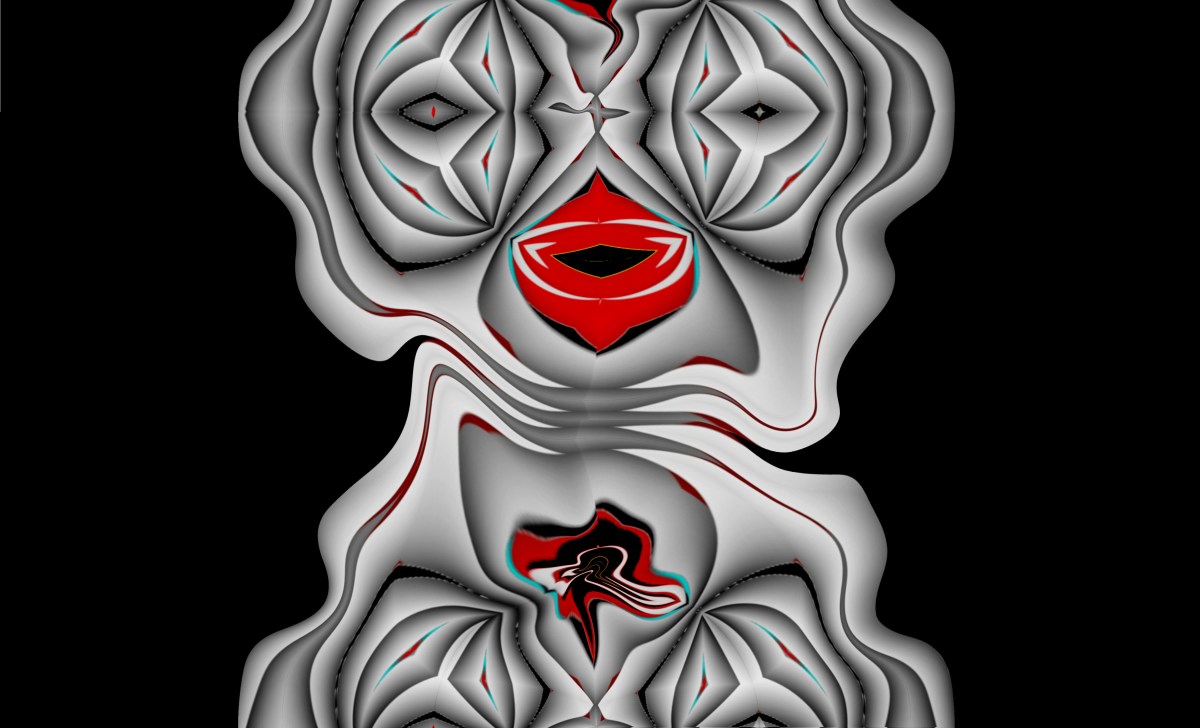
Grieving Ic by Edward Michael Supranowicz
What does a feeling look like when it turns symmetrical? Spend time with Edward Michael Supranowicz’s artwork, let its forms speak, and discover meaning by lingering with the image quietly.
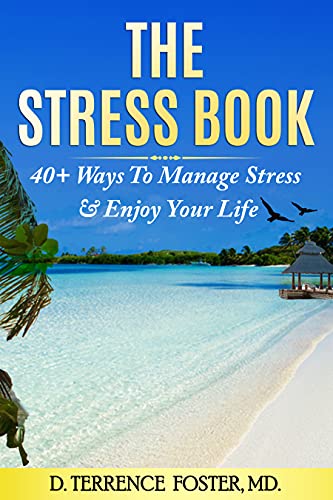
Book Review: The Stress Book by Dr. D. Terrence Foster
If an octopus could text, juggle, cook, plan a future, soothe trauma, and still feel behind—would it read The Stress Book? You’ll find out why that’s relevant as you read on.

Once A King, Now A Prince by Ira Blacker
What happens when imagination becomes a survival skill instead of a pastime? Once A King, Now A Prince by Ira Blacker reveals the answer—if you’re willing to follow the journey.
 OneTribune