

We’re joined by Remi Alli to discuss her career path, which has taken her to work in fields like law, dispute resolution, company leadership, and developing financial frameworks. She discusses the events that influenced her interests, the organisations she has assisted in creating, and the objectives that drive her work in this interview. We are eager to hear how she tells her tale in her own words, and her viewpoint provides a chance to investigate how several disciplines might interact in positive and useful ways.
Remi, thank you for agreeing to this conversation. Could you begin by introducing yourself — tell us about your background, what you do today, and what motivates you in your work.
Hello, thanks for reaching out — I really appreciate the opportunity to connect. I’m excited to share a bit about myself and the journey that’s brought me here.
I come from a pretty diverse background — started in psychology, then dipped into law and conflict management. Those fields gave me a deep understanding of human behavior, systems, and the importance of fair resolution, which all feeds into my work today. I’m currently involved with Black Wallet (theBWG.com), a platform built on the disruptive potential of crypto and blockchain tech, especially with projects like Kiroscoin (kiros.io), our flagship token launching December 17th, 2025. We see crypto not just as an asset class, but as a way to empower underbanked communities and create transparent, fair financial ecosystems. My motivation? Simply put, I want to leverage innovation to make finance more inclusive, and to push boundaries where traditional systems fall short.
How did your academic journey (psychology, law, conflict management or otherwise) shape your perspective on dispute resolution, business, and finance? What inspired you to pursue such diverse fields?
My academic journey shaped my perspective in that it showed me how conflict, law, and human psychology interact — especially in business and finance. Understanding conflict management and legal frameworks helps me navigate and forge new pathways in crypto and emerging tech, ensuring that innovation is underpinned by fairness and stability. It’s about building trust in new financial paradigms.
What was the impetus for founding (or co-founding) your organisations — including the entity known as Black Wallet Limited and Brāv Online Conflict Management? What problems did you hope to address?
As for founding Black Wallet Limited and Brāv, the core idea was to address the gap between legal/ethical standards and the fast-moving world of digital assets. We saw a need for platforms that not only facilitate transactions but also promote responsible conflict management and compliance. Our goal is to create a bridge between traditional conflict resolution principles and the new frontier of crypto, tokenization, and digital assets — facilitating smoother, fairer interactions in a space often plagued by uncertainty and mistrust.
What have been the biggest challenges in building and leading these organisations — particularly at the intersection of law, conflict resolution, and financial innovation? How have you addressed those challenges?
Building these organizations hasn’t been without hurdles. The biggest challenge? Navigating the regulatory landscape while pushing innovative boundaries. Crypto is still a bit of the Wild West, and aligning legal compliance with disruptive tech requires agility and foresight. We’ve tackled this by fostering collaborations with legal experts, staying ahead of regulation trends, and emphasizing transparency and education.
In your work, you reportedly have experience as a publisher and author. What motivated you to venture into publishing? What kinds of works have you published, and what did you aim to achieve through your publishing house?
On the publishing side, my foray into books and content was driven by a desire to demystify complex topics — especially around crypto, conflict management, and law. Publishing allows me to share insights, inspire others, and contribute thought leadership that can help shape the industry’s evolution.
How do you see the relationship between legal frameworks, conflict management, and emergent financial technologies (such as tokenization or digital assets)? What opportunities — and risks — do you believe this intersection presents?
I see legal frameworks and conflict management as foundational to the growth of financial technologies. Tokenization, for example, offers incredible opportunities for democratization and liquidity, but also introduces new legal and ethical risks. The key is to develop adaptable regulations and conflict resolution mechanisms that protect participants and foster trust. There’s real potential here, but only if we approach it with responsibility and foresight.
What drives your ambition now? Are there particular values, principles, or goals that guide the projects you commit to?
My current drive is rooted in values of transparency, innovation, and empowerment. I aim to build platforms that not only disrupt but also uplift — creating ecosystems where trust and fairness are paramount. Whether through KirosCoin, upcoming federation conferences, or exclusive cruise and golf events, I want to foster community, collaboration, and shared progress.
For people reading this interview — perhaps lawyers, entrepreneurs, or those interested in conflict resolution or finance — what lessons or insights would you most want to share?
For those reading this — whether they’re lawyers, entrepreneurs, or conflict resolution buffs — my biggest lesson is to stay adaptable and educate yourself continuously. The intersection of law, tech, and finance is evolving rapidly, and those who understand the fundamentals will be best positioned to innovate responsibly.
Looking ahead: what are your immediate and long-term aspirations for your organisations and your own professional path? What kind of impact do you hope to have in the coming years?
I aspire to scale our platforms globally, influence policy, and create a legacy of responsible innovation. I want to leave a mark as someone who helped bridge gaps between technology and human-centered values.
If you were to write your bio in your own words, what would you say? What legacy would you like to leave?
I’m a disruptor at heart — blending law, psychology, and tech to craft solutions that empower and protect. My legacy? To be remembered as someone who championed transparency and fairness in the digital age, helping shape a more inclusive financial future.
Thanks again for the opportunity — I look forward to engaging more, especially around Kiroscoin and the upcoming federation cruise and golf event on behalf of Black Wallet. Let’s keep pushing boundaries and building a better, more equitable financial world.
Thanks for this great experience.
Link
More Posts Like This

Learning from the Land: A Conversation with Cathryn Wellner on Life’s Unexpected Lessons
Ever wondered what it’s like to raise sheep, pigs, and camels while learning life lessons along the way? Cathryn Wellner shares her unexpected journey, and readers will discover how she adapted and thrived.
Keep reading
Carmella Parker on Law, Education, and Guiding Institutions Through Change
How do you teach students about laws that are still being written? This interview explores one legal educator’s answer—revealed through experience, strategy, and real-world change inside the evolving legal landscape.
Keep reading
Shannon O’Brien on Travel, Teaching, and Redefining Home
Can a backpack become a home and a classroom at the same time? This interview follows one teacher-writer’s journey to find out—revealed through travel, reflection, and lived experience.
Keep reading
Leon Mitchell on Imagination, Resilience, and Finding the Extraordinary in the Ordinary
What if imagination isn’t an escape but a survival skill you forgot you had? This interview explores that idea—revealed through childhood wonder, discipline, and stories that reflect who we are.
Keep reading
Danielle Simone on Curiosity, Courage, and Learning Through Story
Have you ever wondered what happens when curiosity goes missing in childhood? This interview explores one educator-author’s response—and how stories can invite exploration, reflection, and care for the world around us.
Keep readingWe’d love to hear from you!
What are your thoughts on this piece? Share your insights in the comments below!
- What stood out to you most about this post?
- Have you read a book recently that relates to the themes discussed here?
- What’s your favorite takeaway or reflection from this write-up?
Let’s keep the conversation going—your thoughts make this space richer!
Disclaimer: The content on this site is provided for informational and inspirational purposes only. While we strive for accuracy, the views expressed in reviews, articles, and recommendations are subjective and may not reflect the opinions of all readers.
We receive complimentary copies of all books we review. However, this practice does not compromise the integrity or honesty of our reviews. Every write-up reflects the contributor’s genuine impressions and critical analysis, ensuring transparency and trust with our readers.
For a complete understanding of our practices, please refer to our full Disclaimer, Privacy Policy, and Terms of Service. These documents outline how we manage your information, ensure transparency, and uphold your rights as a user.
To request for a review, to nominate your favorite book for an award, or for more details about our awards, click here.
Other Stories
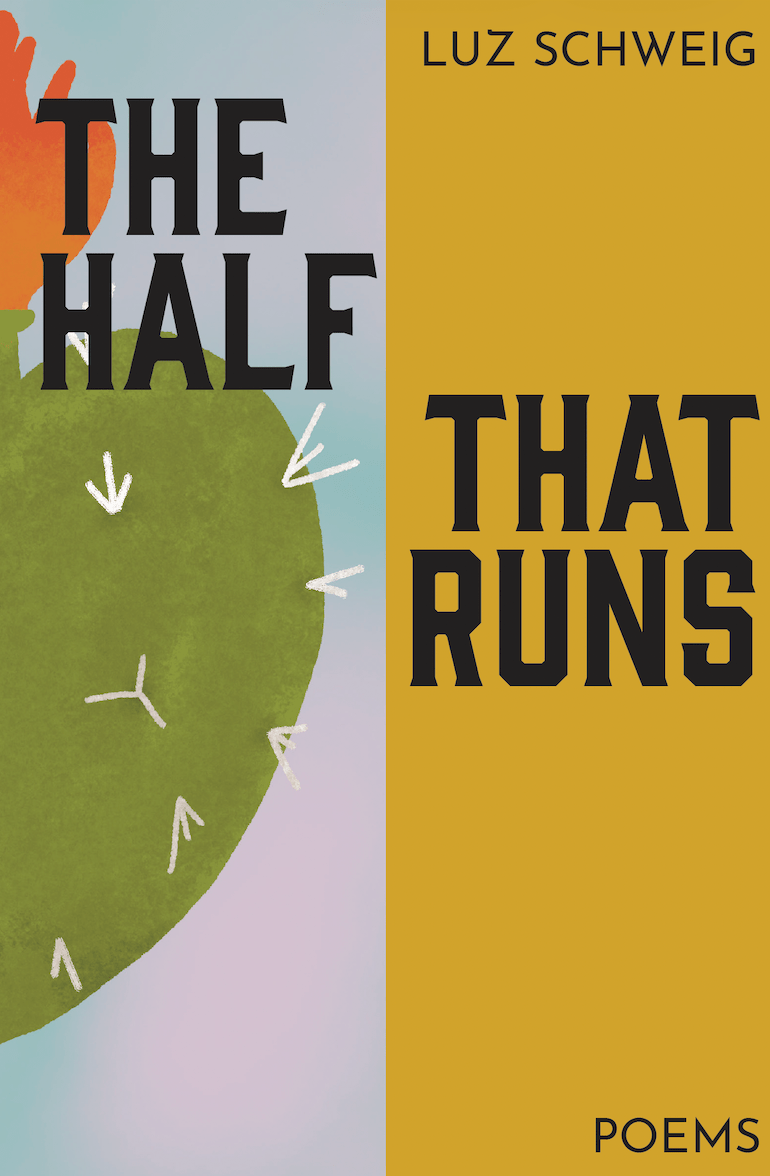
The Half That Runs by Luz Schweig
What if your memories had a geography—one that kept shifting under your feet like sand? Discover how The Half That Runs by Luz Schweig maps identity—read the full piece.
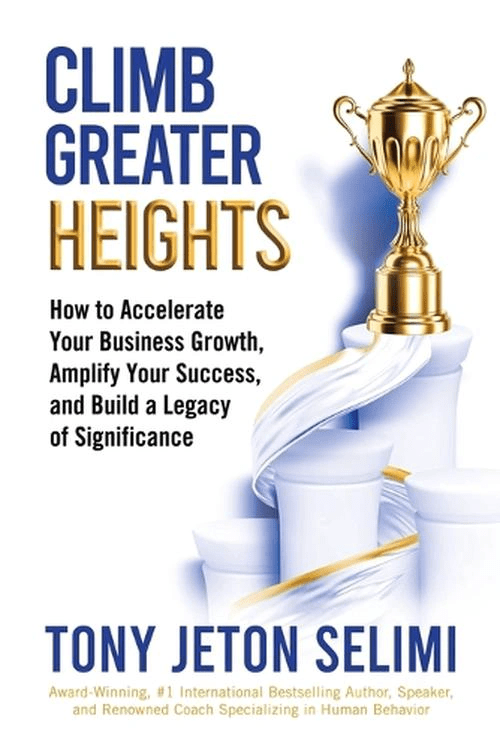
Book Review: Climb Greater Heights by Tony Jeton Selimi
What if your biggest business obstacle isn’t competition but something invisible within you? Discover the answer in Climb Greater Heights by Tony Jeton Selimi—read the full review to explore.

Review of The Sound of an Ordinary Life by Alis Cerrahyan
There are many ways to tell the story of a life. Some choose grand narratives, sweeping arcs of triumph and tragedy. Others, like The Sound of an Ordinary Life, find meaning in the quiet spaces, the moments that seem small but carry the entire weight of a person’s existence.

 OneTribune