

If a parrot told you that your teenage neighbor was immaculately pregnant with the next messiah, would you believe it—or offer it a cracker? Find out why this isn’t just an odd question in our full review.
⚠️ Content Warning
This review and the book reference teen pregnancy, cultural attitudes toward religion, and emotionally intense family conflict. The story is presented in a family-friendly tone with no graphic content, but it does involve emotionally charged subject matter that may require contextual maturity.
🌴 A Myth Born in the Tropics
Some books try to be thought-provoking. Holy Parrot sneaks into your mind like a lullaby and then knocks on every door of your belief system. Set in a quiet Colombian fishing village, this story feels like a spiritual fever dream crossed with a sociological case study—but told with the intimacy of a coming-of-age diary and the calm cadence of waves crashing on a palm-fringed shore.
It begins when Leonard, an Australian genetics student, takes on a research assignment in the Magdalena region. His job? Identify why the locals live longer. What he ends up finding is Maria, a 16-year-old girl who claims she’s pregnant with a messianic child—and that the father, or rather the messenger of this immaculate conception, is a talking macaw named Gabriel.
Yes, really. And somehow, it works.
🤯 When Science Meets the Supernatural
One of the most remarkable tensions in this novel is not whether or not Maria is pregnant—that becomes clear early on—but rather how we’re supposed to interpret her story.
Leonard’s background in genetics makes him the perfect foil. He’s methodical, skeptical, and searching for concrete answers in things like telomere elongation (a real marker linked to longevity in scientific studies). Maria, on the other hand, embodies mystery, spirituality, and the kind of experiential knowledge that defies test tubes.
The book doesn’t ask readers to pick a side—it invites them to simply exist in the mystery. Isn’t that, in itself, a deeply human experience?
🧠 The Psychology of Belief and Collective Hysteria
Maria’s sudden fame, fueled by the parrot’s cryptic repetition of “Today will be a good day,” reveals the potent mix of superstition, desperation, and the human longing for purpose. Sociologically, it’s not far-fetched: People have followed less for more. From mass sightings of religious figures in toast to miracle healers in villages, communities around the world often rally around symbols of hope.
The novel asks: What happens when an entire community starts to believe something extraordinary is happening? The answer, at least in Holy Parrot, is somewhere between folklore and social psychology, echoing real-life phenomena like the “Marian apparitions” seen by children in Fatima or the dancing plagues of medieval Europe.
🎭 Characters Painted in Paradoxes
Maria, though young, exudes a stubborn, almost sacred conviction. She’s part mystic, part teenager—alternately demanding help, dismissing science, and casually leading Leonard into mountain waterfalls in pre-dawn treks. She is frustratingly cryptic, but that’s what makes her real. Angel A paints her not as a prophet, but as a child still trying to understand the magnitude of what she claims is happening.
Leonard, too, is painted with contradictions: intelligent yet naïve, skeptical yet drawn in. His awkward fumblings—intellectual and emotional—are quietly endearing. His interactions with Maria are handled with a surprisingly gentle touch that keeps the story grounded in humanity, not sensationalism.
💬 A Talking Parrot, But Not a Punchline
Is Gabriel the bird merely mimicking Maria? Is he a vessel of divine truth? A symbol of mass projection? Angel A doesn’t force a conclusion. Instead, Gabriel becomes a mirror for each character’s desires: hope, faith, love, even opportunism. One could argue that the macaw is the novel’s most honest character—he says exactly what he hears, and somehow becomes more than the sum of his squawks.
🧪 Final Thoughts: A Literary Litmus Test
Holy Parrot is a rare novel that feels like a case study wrapped in a fable and sprinkled with academic tension. It’s a story where telomeres, dolphins, dreams, and divine declarations coexist—not to make a statement, but to ask a quiet, provocative question: What do we really believe, and why?
You won’t find battle scenes, steamy romance, or heavy-handed sermonizing here. What you will find is a gently surreal exploration of belief, biology, and the blurry space between myth and miracle—wrapped in the colorful feathers of a tropical parrot.
🏁 Who Should Read This?
If you’re drawn to fiction that toys with belief systems, cultural immersion, science-vs-spirituality themes, or you’re simply curious about what happens when a talking bird stirs a sleepy village—Holy Parrot is a surprisingly fresh and poignant journey.
Wordscape Wonders Award

The book is a recipient of the Wordscape Wonders Award. At Wordscape Wonders, we believe stories are more than just words on a page—they are bridges across worlds. The Wordscape Wonders Award honors books that explore the landscapes of the human spirit, blending diverse voices with themes of love, resilience, growth, and discovery. These works invite us to journey through unfamiliar perspectives, offering a deeper appreciation for the rich kaleidoscope of life.
We’d love to hear from you!
What are your thoughts on this piece? Share your insights in the comments below!
- What stood out to you most about this post?
- Have you read a book recently that relates to the themes discussed here?
- What’s your favorite takeaway or reflection from this write-up?
Let’s keep the conversation going—your thoughts make this space richer!
Disclaimer: The content on this site is provided for informational and inspirational purposes only. While we strive for accuracy, the views expressed in reviews, articles, and recommendations are subjective and may not reflect the opinions of all readers.
We receive complimentary copies of all books we review. However, this practice does not compromise the integrity or honesty of our reviews. Every write-up reflects the contributor’s genuine impressions and critical analysis, ensuring transparency and trust with our readers.
For a complete understanding of our practices, please refer to our full Disclaimer, Privacy Policy, and Terms of Service. These documents outline how we manage your information, ensure transparency, and uphold your rights as a user.
To request for a review, to nominate your favorite book for an award, or for more details about our awards, click here.
Other Stories
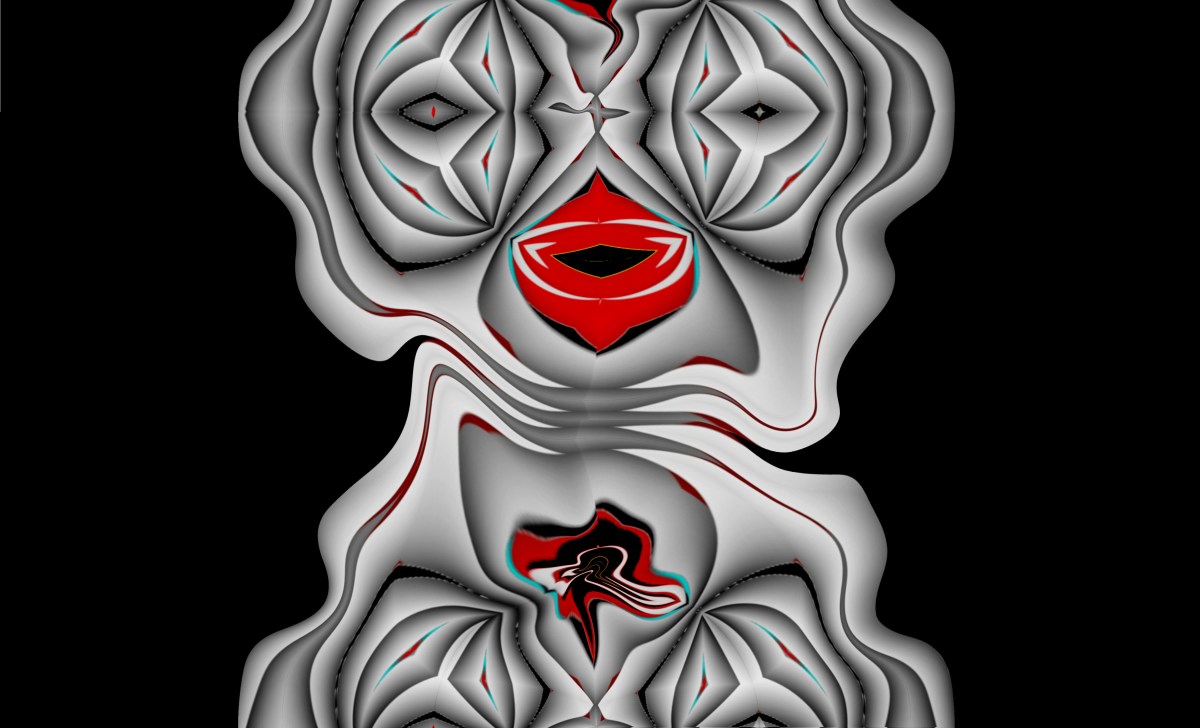
Grieving Ic by Edward Michael Supranowicz
What does a feeling look like when it turns symmetrical? Spend time with Edward Michael Supranowicz’s artwork, let its forms speak, and discover meaning by lingering with the image quietly.

Book Review: The Stress Book by Dr. D. Terrence Foster
If an octopus could text, juggle, cook, plan a future, soothe trauma, and still feel behind—would it read The Stress Book? You’ll find out why that’s relevant as you read on.
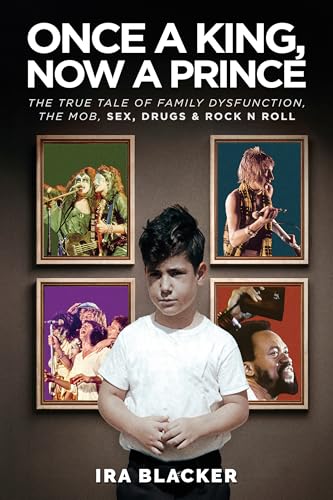
Once A King, Now A Prince by Ira Blacker
What happens when imagination becomes a survival skill instead of a pastime? Once A King, Now A Prince by Ira Blacker reveals the answer—if you’re willing to follow the journey.

 OneTribune
