

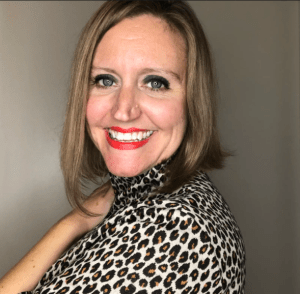
This discussion with Charlotte Chipperfield delves into how the writer’s personal development and the creative process are influenced by intention. As a book coach and author, Charlotte helps people turn their thoughts into meaningful stories by bridging the gap between mindfulness and storytelling. She considers how writing that is genuine, inspiring, and connects can be achieved by slowing down, knowing one’s “why,” and encouraging creativity in this interview. Beyond the page, readers will learn how intentional creation can empower members of the community as well as the individual.
Charlotte, thank you for joining us. Could you start by telling readers a bit about yourself—what you do, what brought you to writing, and what motivates your current work?
Thank you for having me. I’m a story strategist working with authors to turn their ideas into polished manuscripts so they can confidently step into authorship. I am a developmental editor, book coach, and the founder of Her Narrative, a creative development company. Writing has always been the way I make sense of the world. I grew up reading, journaling, and “self-publishing” books with cardboard covers and ribbon bindings. Eventually, I studied narrative craft—and over time, I realized what I loved most was helping others express the stories they felt called to tell.
Today, I’m motivated by the belief that writing has the power to transform not only the writer but also the communities we serve. Through my book Write with Intention: A Mindful Journey to Writing Your Book and my work with Her Narrative, I support writers in bringing more purpose, clarity, and intention to both their craft and their lives.
Your approach to writing focuses on intention and mindfulness. What does “writing with intention” mean to you on a personal level, and how did that philosophy take shape in your life?
For me, “writing with intention” is about aligning the act of writing with who you are becoming. It invites you to show up to the page with presence instead of pressure, curiosity instead of comparison. This philosophy emerged during a period when I was juggling burnout, creativity, and the desire for meaningful work.
I realized that when I slowed down enough to listen—to myself, to the story, to the deeper why behind my work—the writing became richer and more grounded. That experience shaped the framework in Write with Intention: writing that is mindful, values-driven, and deeply connected to purpose.
You’ve guided many aspiring authors through the creative process. From your perspective, what’s the most common internal barrier writers face, and what first step helps them move past it?
The most common internal barrier is self-doubt—the belief that their story doesn’t matter or that they’re not “qualified” to write it. This blocks momentum before the draft even has a chance to breathe.
The first step I encourage is creating space for honesty: naming the fear out loud, on the page. Once writers acknowledge what’s in the way, they can begin rewriting that narrative. Intention-setting, even something as simple as “I allow myself to write imperfectly,” often opens the door to creative flow.
Creativity and self-awareness seem deeply connected in your teachings. How do you personally sustain creativity while maintaining balance and well-being in your daily routine?
My creativity is strongest when I honor my energy, not my expectations. That means building in rest, boundaries, and rituals that support clarity—like journaling, reading, walking, and giving myself space away from screens.
I also check in with myself regularly: What do I need today to show up fully? Sometimes the answer is writing. Sometimes it’s rest. Sometimes it’s connecting with a client or revisiting my bigger vision. Balance comes from allowing creativity to be cyclical rather than forcing it to be constant.
You often describe writing as both a personal and professional journey. Can you share a moment from your career that taught you something surprising about yourself as a writer or mentor?
One moment that stands out is when a client told me that the questions I asked in our sessions helped them discover a part of themselves they didn’t know was missing from their book—and from their life. It reminded me that my role isn’t just to shape manuscripts; it’s to hold space for transformation.
What surprised me was realizing how deeply my work blends craft and coaching—that supporting writers emotionally is just as essential as guiding them structurally. That realization shaped the heart of Her Narrative.
Your work encourages people to tell stories that matter. What advice would you give to writers who struggle to find confidence in their own voices or stories?
Start by grounding yourself in your why. When you reconnect with the deeper reason you’re writing—someone you want to help, a message you want to share, a truth you can no longer hold inside—confidence grows from clarity.
Additionally, give yourself permission to claim your voice before anyone else does. Your story doesn’t need to be perfect to be impactful. It simply needs to be honest.
In your experience, what role does community play in the writing process—and how can writers support one another while maintaining their individuality?
Writing can feel isolating, but being surrounded by people who understand the emotional and creative complexity of the process is incredibly nourishing. Community reminds writers they’re not alone, even when the work is deeply individual. Community is grounding.
Writers can support each other by offering encouragement without comparison, celebrating progress, asking thoughtful questions, and honoring that every creative path is unique. Individuality thrives when community is rooted in compassion rather than competition.
You emphasize purpose over speed in creative work. How do you see this idea influencing other fields beyond writing, such as leadership, education, or entrepreneurship?
Purpose-centered work creates alignment, creativity, and connection in any field. In leadership, it fosters empathy and clearer decision-making. In education, it encourages curiosity over rote achievement. In entrepreneurship, it ensures that innovation is guided by values rather than urgency.
When we slow down enough to move with intention, we create more sustainable, human-centered impact—whether we’re crafting a story or shaping an organization.
You’ve seen how storytelling can spark empathy and change. Could you share an example of how a writer’s story—perhaps one you’ve coached—made a meaningful difference in readers’ lives?
One author I coached wrote a memoir about navigating grief and finding courage after personal loss. Readers reached out to them saying the book helped them feel less alone, that it gave them language for their own experiences.
Moments like that reinforce why storytelling matters. A single narrative can illuminate pathways of healing, connection, and understanding for people who may never meet—but who feel seen through the page.
Many creative professionals are now more aware of how their work impacts others and the planet. How can mindful writing contribute to a more compassionate and sustainable creative culture?
Mindful writing invites creators to consider the ripple effects of their work—not just what they produce, but how they produce it. When writers approach their craft with presence, empathy, and awareness, they also cultivate more thoughtful conversations, more inclusive stories, and more humane creative practices.
A sustainable creative culture values rest, authenticity, and community support. Mindfulness naturally deepens all of these. Mindfulness also allows each of us to slow down just enough to find the deeper connections and meaning of the present moment and the story that sits in front of us.
If you were to write your bio in your own words, how would you describe yourself, and what lasting impact would you like your work to have?
I’d describe myself as a writer, editor, and coach who believes in the transformative power of intentional storytelling. Through Her Narrative and Write with Intention, I help authors and leaders honor their stories, strengthen their craft, and trust their voice.
As for lasting impact, I hope my work empowers people to write with clarity, courage, and purpose—and that the stories they bring into the world make others feel seen, supported, and inspired to pursue their own creative paths.
Related
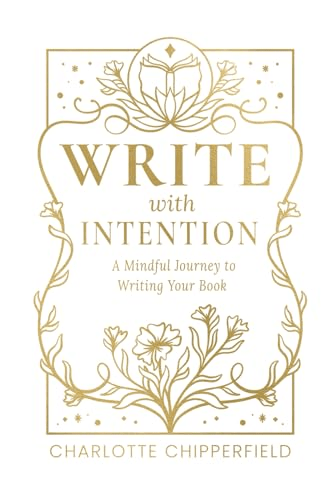
Write with Intention: A Mindful Journey to Writing Your Book by Charlotte Chipperfield
What if writing your book wasn’t just about getting published, but about discovering who you are along the way? Find out how this quiet revolution of intention changes everything.
Keep readingMore Posts Like This

Rajat Chohda: Exploring Conscious Living Through Reflection and Everyday Practice
Can a question about an ordinary family conversation change how you define success? Rajat Chohda explores this journey through his experiences, ideas, and writing; read the full interview to discover.
Keep reading
Alder Brandon: Exploring Imagination, Storytelling, and the Craft of Building Fictional Worlds
Can a walk around the block solve a story no outline can? Discover how one young horror author transforms ideas into fiction by reading this thoughtful interview with Alder Brandon.
Keep reading
Twilla Kay Lamm: Exploring History, Character, and the Search for Truth Through Fiction
Can a childhood paper doll quietly become the beginning of a writing career? Discover how imagination, history, and life experience came together by reading this interview with Twilla Kay Lamm.
Keep reading
David A. Porter: Mapping Memory, Place, and the Moments That Stay With Us
David A. Porter is a poet and writer whose published work has appeared in a range of literary journals and reviews. Publicly available biographical information indicates that he holds an MFA in Creative Writing from San Francisco State University and has contributed to literary publishing as a co-founder and managing editor of a literary annual.…
Keep reading
Reimagining Life Through Words and Service with Debra J. White
What happens when life’s hardest blows lead to unexpected purpose? Discover how Debra turned trauma, recovery, and rescued animals into writing and volunteer work that inspires resilience and connection.
Keep readingWe’d love to hear from you!
What are your thoughts on this piece? Share your insights in the comments below!
- What stood out to you most about this post?
- Have you read a book recently that relates to the themes discussed here?
- What’s your favorite takeaway or reflection from this write-up?
Let’s keep the conversation going—your thoughts make this space richer!
Disclaimer: The content on this site is provided for informational and inspirational purposes only. While we strive for accuracy, the views expressed in reviews, articles, and recommendations are subjective and may not reflect the opinions of all readers.
We receive complimentary copies of all books we review. However, this practice does not compromise the integrity or honesty of our reviews. Every write-up reflects the contributor’s genuine impressions and critical analysis, ensuring transparency and trust with our readers.
For a complete understanding of our practices, please refer to our full Disclaimer, Privacy Policy, and Terms of Service. These documents outline how we manage your information, ensure transparency, and uphold your rights as a user.
To request for a review, to nominate your favorite book for an award, or for more details about our awards, click here.
Other Stories
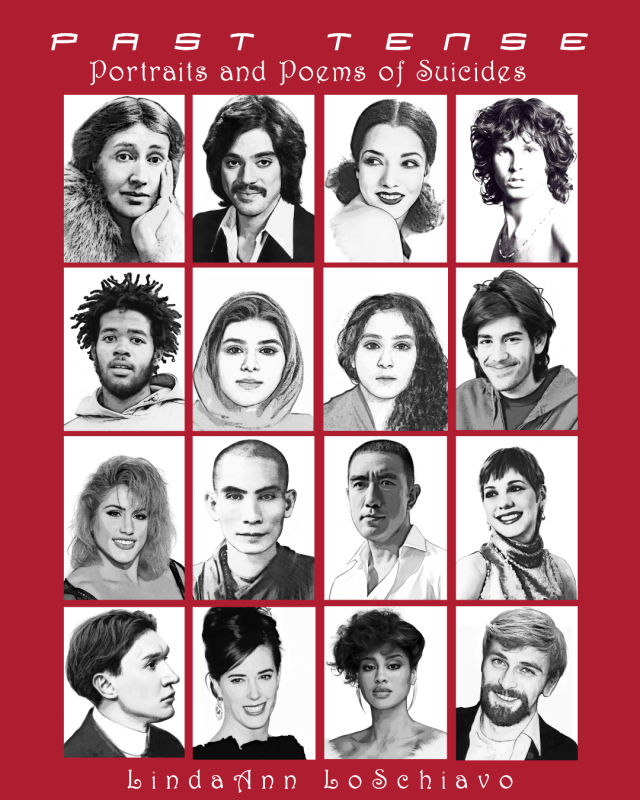
Past Tense by LindaAnn LoSchiavo
Can twenty-three different poetic forms make silence speak without pretending to know everything? Past Tense by LindaAnn LoSchiavo invites readers to investigate through poetry together.
Turning by Wayne Feinstein
What if the loudest room you’ve ever entered was your own memory? Discover how Turning by Wayne Feinstein explores that unexpected question in our full review.
Meditation for Cancer: A Practical Companion for Patients, Families and Caregivers by Arumi Nomad
What if the strongest medicine you carried couldn’t fit inside a bottle? Discover how Meditation for Cancer by Arumi Nomad explores that surprising question in our complete review.


