Genre: Literary Fiction
Subgenres: Family Life, Medical Fiction, Psychological Fiction, Regional Fiction
Themes: Memory, identity, caregiving, change, aging, language, belonging, family roles
Content Warning: Contains depictions of dementia, disorientation, and experiences related to aging.
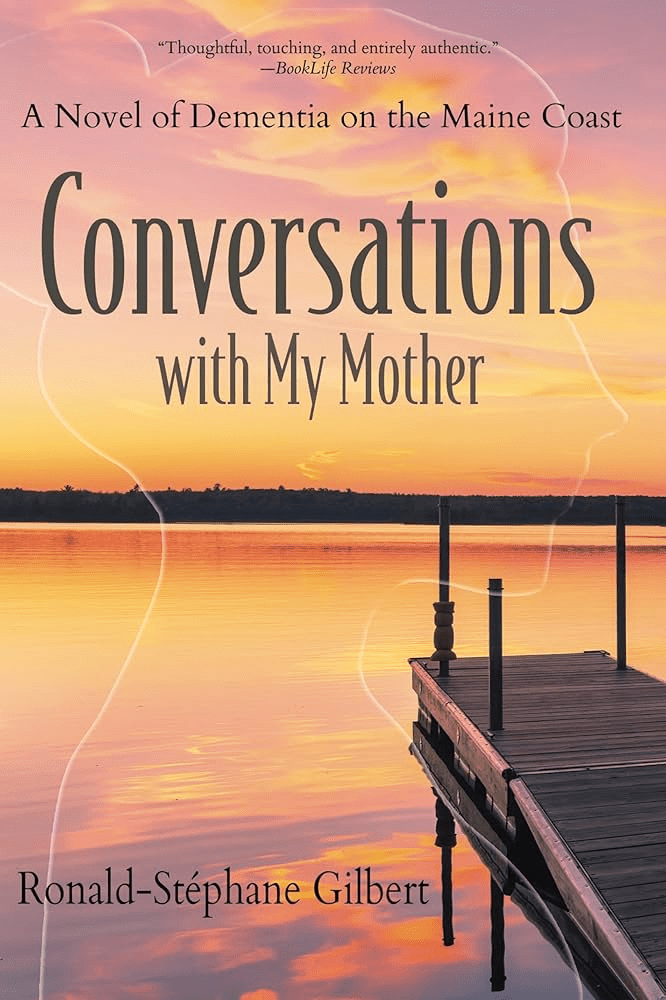
The experience of reading Conversations with My Mother feels less like following a plot and more like entering a private archive—one assembled through small exchanges, repeated questions, and fleeting recognitions. Instead of framing dementia as a single narrative arc, the book presents it as an accumulation of moments, similar to how memory itself forms and dissolves across a lifetime. Each scene functions like a recorded entry: a grocery run, a car ride, a phone call, a half-remembered story resurfacing without warning. These are not dramatic episodes; they resemble the kind of interactions families experience daily, the ones that rarely make it into novels precisely because they appear ordinary until they are the only thing left to hold on to.
The relationship between Rob and his mother, Yvette, is documented with a focus on process rather than outcome. Instead of asking readers to anticipate improvement or decline, the novel looks at repetition as its own language. A question answered twice, a memory recovered for a moment, a familiar phrase spoken with altered context—these elements form the scaffolding through which the reader understands what is changing and what stays present. Studies on aging suggest that people often hold onto relational cues longer than factual details, and much of the book reflects this. Yvette may forget a date or misname a place, yet she responds to tone, rhythm, and presence. These responses often reveal as much about her identity as any intact memory could.
The setting of Maine appears most consistently through its sensory details: shifts in light, seasonal cues, familiar roads, and the subtle ways that place echoes in a person’s speech and habits. Rather than functioning as backdrop, the environment shapes the conversations themselves. A shoreline viewed from a car window prompts recollection; a familiar stretch of woods triggers confusion. Geography becomes a participant in the story—sometimes steady, sometimes unfamiliar, much like memory.
One of the book’s strengths is its refusal to reduce caregiving to obligation or sacrifice. The focus is on interaction—what it feels like for a son to track the changes in his mother’s thinking, and how he responds when the roles between parent and child quietly reverse. The novel does not idealize these moments, but it also doesn’t characterize them as burdens. Instead, it presents them as experiences that test communication itself. How do people stay connected when language, memory, and orientation shift unpredictably? The book doesn’t offer a universal answer, but it shows the attempts: gentle corrections, patient repetitions, small jokes, and silence used as a form of presence.
Readers who appreciate narratives built on emotional realism, cultural context, and the private dimensions of family life will find meaning here. Those looking for a conventional structure with escalating conflict may find the pacing unusual, as the book mirrors the nonlinear way cognitive change unfolds. It is written for anyone who wants to understand the everyday texture of dementia—its confusion, its clarity, and the way relationships adapt to both.
If you want a version focused more on craft, psychology, setting, or cultural elements, I can write additional drafts in entirely different styles.
Excellence in Literature Award
The Excellence in Literature Award is a tribute to the timeless power of storytelling. We recognise works that transcend fleeting trends—books that resonate deeply and linger long after the final page. Whether bold and boundary-breaking or quietly powerful, these stories reflect true literary excellence.
This award encompasses a wide literary landscape—from genre fiction to poetic reflections, from contemporary gems to historical epics. At its heart, it celebrates writers who demonstrate mastery, originality, and the ability to connect with readers on a meaningful level.
We’d love to hear from you!
What are your thoughts on this piece? Share your insights in the comments below!
- What stood out to you most about this post?
- Have you read a book recently that relates to the themes discussed here?
- What’s your favorite takeaway or reflection from this write-up?
Let’s keep the conversation going—your thoughts make this space richer!
Disclaimer: The content on this site is provided for informational and inspirational purposes only. While we strive for accuracy, the views expressed in reviews, articles, and recommendations are subjective and may not reflect the opinions of all readers.
We receive complimentary copies of all books we review. However, this practice does not compromise the integrity or honesty of our reviews. Every write-up reflects the contributor’s genuine impressions and critical analysis, ensuring transparency and trust with our readers.
For a complete understanding of our practices, please refer to our full Disclaimer, Privacy Policy, and Terms of Service. These documents outline how we manage your information, ensure transparency, and uphold your rights as a user.
To request for a review, to nominate your favorite book for an award, or for more details about our awards, click here.
Other Stories

Growth Unlocked – Books That Show the Power of Transformation
Personal growth is often a journey of trials, resilience, and, ultimately, transformation. In literature, these journeys reveal the potential within us to change, evolve, and discover our truest selves—even in the face of adversity. “Growth Unlocked” stories tap into the essence of self-discovery, resilience, and the process of becoming something more than we once were.…
Learning from the Land: A Conversation with Cathryn Wellner on Life’s Unexpected Lessons
Ever wondered what it’s like to raise sheep, pigs, and camels while learning life lessons along the way? Cathryn Wellner shares her unexpected journey, and readers will discover how she adapted and thrived.
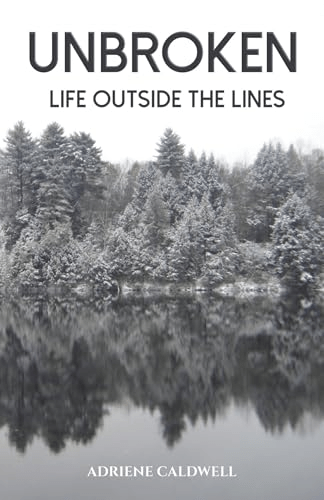
Book Review of Unbroken: Life Outside the Lines by Adriene Caldwell
What if your strongest survival tool wasn’t strength but instinct? In Unbroken: Life Outside the Lines by Adriene Caldwell, discover how one life answers that question—if you dare read on.

 OneTribune