
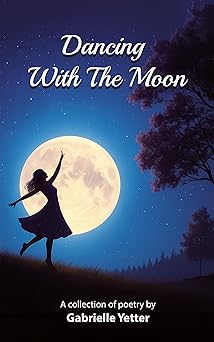
Have you ever wondered why a single fleeting moment—a glance, a whisper, a stranger’s gesture—can feel more powerful than a lifetime of memories? This piece uncovers that mystery, but only in the full write-up.
Title & Author
Dancing with the Moon by Gabrielle Yetter
Genre, Sub-Genres, Themes
- Genre: Poetry
- Sub-Genres: Contemporary poetry, reflective micro-narratives, human-interest verse
- Themes: Empathy, aging, memory, loss, perspective, kindness, awakening, loneliness, gratitude, interconnected lives
Content Warning
This book contains emotional themes including aging, grief, loneliness, domestic violence references, and one poem involving suicide. No graphic detail is used, but readers sensitive to such topics should be aware.
There are books that tell stories, and then there are books that remind you you’re part of a much larger one. Dancing with the Moon belongs entirely to the second category. It is less a compilation of poems and more a quiet map of humanity—those small, unassuming intersections where one life brushes another and leaves a fingerprint that lasts longer than expected.
What makes this collection so distinctive is its unwavering focus on the overlooked. Science often reminds us that human perception is biased toward motion and threat; we notice the dramatic, the urgent, the loud. Yet Gabrielle Yetter writes the opposite into existence: she highlights what the mind often filters out. A man waiting alone in an ice-cream shop. A stranger running after a woman simply to return her scarf. A weary commuter who sees a child’s eyes reflect hope. These aren’t plot twists—they’re reminders of how much significance hides in plain sight.
Emotionally, the book functions like a series of gentle nudges. One poem might examine envy through two strangers at a traffic light. Another might explore memory through an elderly woman choosing the color of her hair dye. Another captures joy in the smallest of kindnesses. The diversity of voices—old, young, burdened, blissful, wandering, aching—creates a panorama of lived experiences. The effect is grounding. You start noticing your own surroundings with a softened gaze.
There is courage in how Yetter approaches aging, vulnerability, and loss. Rather than masking difficulty with heavy metaphors or idealism, she treats these realities with the kind of straightforward honesty usually reserved for quiet conversations between good friends. A neuroscientist might call this the “co-regulation effect”—the calming, stabilizing impact of empathetic communication. The poems replicate that sensation: they steady the reader.
What keeps the book from feeling heavy, despite its emotional weight, is its persistent sense of perspective. Many poems revolve around the same question: “What if you looked again?” A recurring pattern suggests that life is rarely what it appears to be at first glance. Someone who seems careless may be carrying news they never expected to hear. Someone who seems distant may be protecting a fragile memory. Someone who seems privileged may be longing for the simplicity someone else takes for granted.
This framing makes the collection particularly meaningful for readers who appreciate reflective works that don’t demand interpretation but invite it. It’s not for someone seeking linear storytelling or elaborate symbolism. Instead, it’s for readers who find value in the quiet realism of lived moments—the kind that linger because they feel true.
Ultimately, Dancing with the Moon succeeds because it speaks to the shared human condition without preaching or dramatizing. It offers a form of literary companionship, the sort that whispers, “Look again. Look closer. There’s more here than you thought.” And for anyone who has ever wondered whether small moments matter, this book offers a gentle, steady answer: they do.
Voyages of Verses Book Award

This book is a winner of the Voyages of Verses Book Award, a recognition for books that expand the horizon of what literature can achieve. We honor works that challenge preconceived notions, broaden worldviews, and celebrate the rich blend of voices that shape our global narrative. Whether it’s a novel that immerses you in a different culture, a collection of poems that captures the essence of shared humanity, or a nonfiction account that sparks critical thought, the Voyages of Verses Book Award celebrates stories that invite exploration and discovery.
We’d love to hear from you!
What are your thoughts on this piece? Share your insights in the comments below!
- What stood out to you most about this post?
- Have you read a book recently that relates to the themes discussed here?
- What’s your favorite takeaway or reflection from this write-up?
Let’s keep the conversation going—your thoughts make this space richer!
Disclaimer: The content on this site is provided for informational and inspirational purposes only. While we strive for accuracy, the views expressed in reviews, articles, and recommendations are subjective and may not reflect the opinions of all readers.
We receive complimentary copies of all books we review. However, this practice does not compromise the integrity or honesty of our reviews. Every write-up reflects the contributor’s genuine impressions and critical analysis, ensuring transparency and trust with our readers.
For a complete understanding of our practices, please refer to our full Disclaimer, Privacy Policy, and Terms of Service. These documents outline how we manage your information, ensure transparency, and uphold your rights as a user.
To request for a review, to nominate your favorite book for an award, or for more details about our awards, click here.
Other Stories
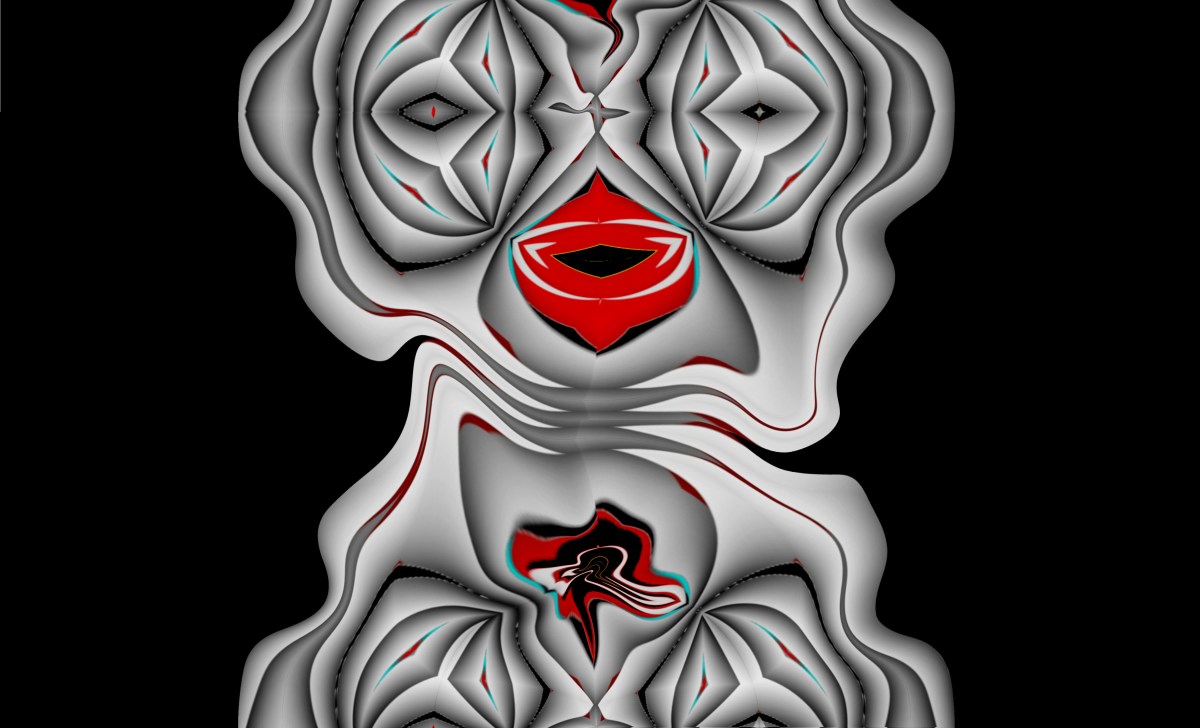
Grieving Ic by Edward Michael Supranowicz
What does a feeling look like when it turns symmetrical? Spend time with Edward Michael Supranowicz’s artwork, let its forms speak, and discover meaning by lingering with the image quietly.

Book Review: The Stress Book by Dr. D. Terrence Foster
If an octopus could text, juggle, cook, plan a future, soothe trauma, and still feel behind—would it read The Stress Book? You’ll find out why that’s relevant as you read on.
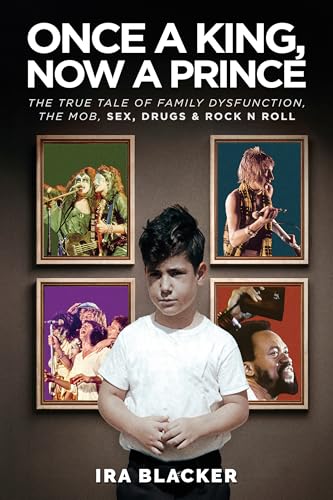
Once A King, Now A Prince by Ira Blacker
What happens when imagination becomes a survival skill instead of a pastime? Once A King, Now A Prince by Ira Blacker reveals the answer—if you’re willing to follow the journey.

 OneTribune