

Have you ever wondered if every form of love—from heartbreak to healing—can be described without saying “I love you”? Discover how one poet tries, and why words almost fail.
Book Title and Author
And Other Ways to Say ‘I Love You’ by Evan Raiff
Genre, Sub-genres, and Themes
Genre: Poetry
Sub-genres: Contemporary free verse, lyrical narrative, emotional philosophy
Themes: Love in its many forms, identity, self-acceptance, mortality, human connection, renewal
Review
Imagine if love were not one word but a thousand small ones—some whispered, some screamed, some written down only because silence would hurt too much. Evan Raiff’s And Other Ways to Say ‘I Love You’ captures that paradox with both tenderness and unflinching clarity. The book is divided into eight sections based on the ancient Greek words for love: storge, eros, mania, philautia, erototropia, philia, pragma, and agape. Each is a different constellation of longing and release, forming a full emotional universe where love grows, decays, and regenerates like a living organism.
Reading Raiff is like looking at an X-ray of the heart under moonlight—clinical in precision yet luminous with empathy. He crafts cinematic vignettes from everyday life: a broken seatbelt, a kitchen conversation, a child’s stuffed toy, the quiet weight of a dying parent. These are not grand love stories but recognitions of humanity’s smallest victories—breathing, forgiving, remembering to hope. Scientific studies suggest that the human brain processes poetry similarly to music, lighting up centers linked to emotion and prediction; Raiff seems to compose with that in mind. His rhythm feels natural, his pauses deliberate, and his imagery synesthetic—tasting colors, hearing touch, seeing grief.
Each poem feels like a neuron firing in the collective mind of anyone who has ever loved and lost. “I Grew Up in the Shadow of a Lighthouse,” for example, speaks to the transformation from seeking guidance to becoming a guide oneself—a metaphor psychologists might call “self-transcendence.” The book’s structure mirrors this ascent: from familial duty to romantic desire, obsession, self-reflection, playfulness, friendship, devotion, and finally, universal compassion. By the end, love is not possession but presence—the quiet act of staying.
There’s also humor and playfulness woven through the gravity. In Play Time and Snow Day, Raiff reclaims childhood wonder, reminding readers that imagination is an adult’s best survival skill. The language often teeters between the sacred and the irreverent, but always with intention. His restraint in emotional climax—choosing implication over explanation—gives the work a haunting aftertaste, like hearing your favorite song fade before the final note.
This book isn’t for readers seeking tidy morals or floral sentiment. It’s for those who’ve asked themselves uncomfortable questions—what does it mean to be loved, and to love well, in a world that forgets to pause? It’s for anyone who understands that beauty and pain often share a border so thin you can cross it in a single breath. Yet despite its weight, it is uplifting in the most important sense: it makes you feel seen.
And Other Ways to Say ‘I Love You’ is less a collection of poems than an anatomy of empathy, dissected gently, piece by piece, until what remains is the truth that love—in any form—is proof we are still alive.
Content Warning: Contains mature emotional themes and references to grief, trauma, and sensuality, presented thoughtfully and non-explicitly.
Voyages of Verses Book Award

This book is a winner of the Voyages of Verses Book Award, a recognition for books that expand the horizon of what literature can achieve. We honor works that challenge preconceived notions, broaden worldviews, and celebrate the rich blend of voices that shape our global narrative. Whether it’s a novel that immerses you in a different culture, a collection of poems that captures the essence of shared humanity, or a nonfiction account that sparks critical thought, the Voyages of Verses Book Award celebrates stories that invite exploration and discovery.
We’d love to hear from you!
What are your thoughts on this piece? Share your insights in the comments below!
- What stood out to you most about this post?
- Have you read a book recently that relates to the themes discussed here?
- What’s your favorite takeaway or reflection from this write-up?
Let’s keep the conversation going—your thoughts make this space richer!
Disclaimer: The content on this site is provided for informational and inspirational purposes only. While we strive for accuracy, the views expressed in reviews, articles, and recommendations are subjective and may not reflect the opinions of all readers.
We receive complimentary copies of all books we review. However, this practice does not compromise the integrity or honesty of our reviews. Every write-up reflects the contributor’s genuine impressions and critical analysis, ensuring transparency and trust with our readers.
For a complete understanding of our practices, please refer to our full Disclaimer, Privacy Policy, and Terms of Service. These documents outline how we manage your information, ensure transparency, and uphold your rights as a user.
To request for a review, to nominate your favorite book for an award, or for more details about our awards, click here.
Other Stories

Reimagining Life Through Words and Service with Debra J. White
What happens when life’s hardest blows lead to unexpected purpose? Discover how Debra turned trauma, recovery, and rescued animals into writing and volunteer work that inspires resilience and connection.
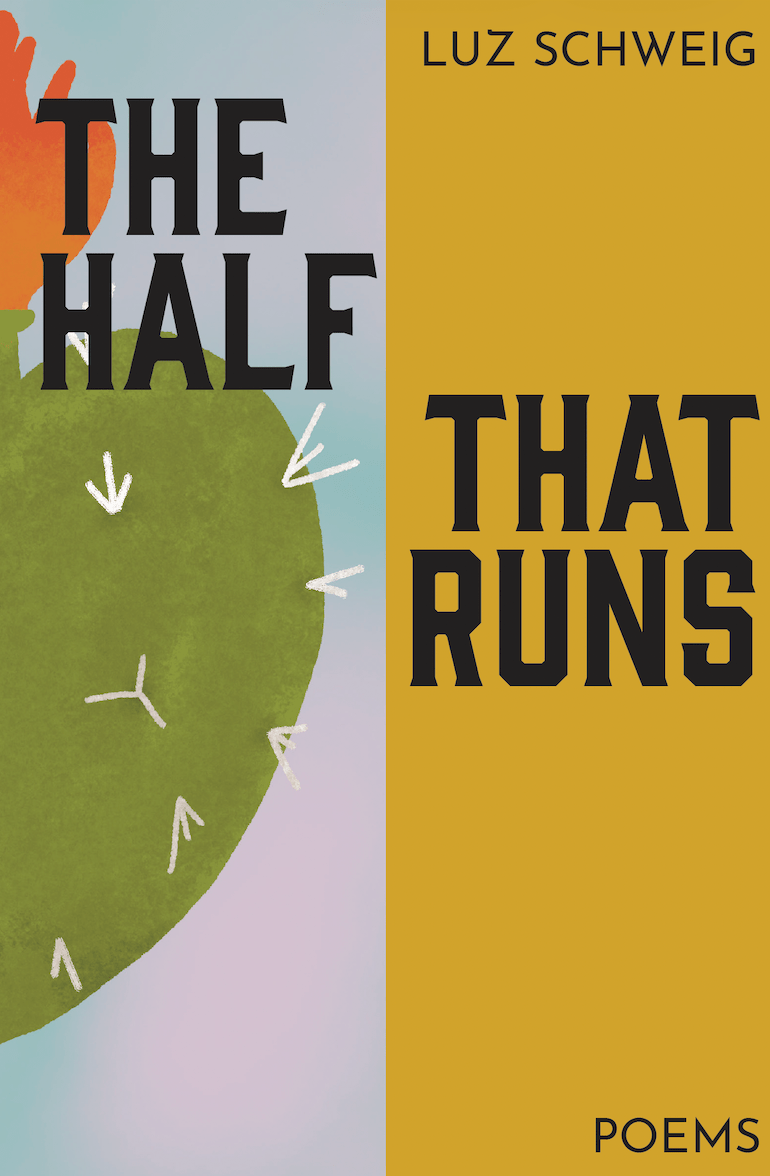
The Half That Runs by Luz Schweig
What if your memories had a geography—one that kept shifting under your feet like sand? Discover how The Half That Runs by Luz Schweig maps identity—read the full piece.
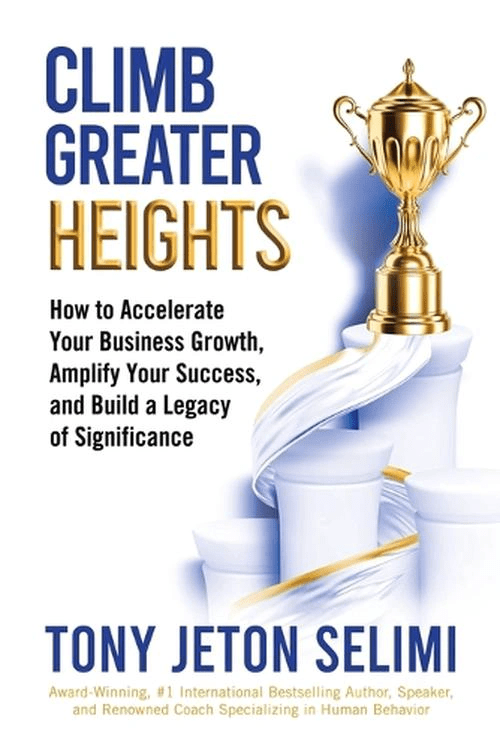
Book Review: Climb Greater Heights by Tony Jeton Selimi
What if your biggest business obstacle isn’t competition but something invisible within you? Discover the answer in Climb Greater Heights by Tony Jeton Selimi—read the full review to explore.

 OneTribune