

There is a certain kind of novel that doesn’t try to dazzle you with clever twists or elaborate world-building. Instead, it breathes in slowly, sits down beside you, and starts talking in a voice so personal you almost don’t realize you’re being led somewhere profound. Holy Parrot by Angel A is one of those books—a gentle, slow-burning meditation on displacement, intimacy, and the strange comfort of not quite belonging anywhere.
Leonard, a science student from Melbourne, arrives in a small Colombian fishing village to study longevity. But the real study, it turns out, is not biochemical; it’s human. He finds himself drawn into the orbit of Maria, a teenage girl whose unexpected pregnancy, she claims, is foretold by a talking macaw and linked to something divine. But to focus on the mystery of the pregnancy or the parrot is to miss what the book is actually doing beneath the surface.
Angel A uses Leonard’s foreignness as a powerful lens—not just to expose the contrasts between cultures, but to explore the fragility of language and the longing for connection. Leonard doesn’t speak fluent Spanish, and Maria’s English is learned from interacting with tourists. Their conversations stumble and restart, their meanings shaped as much by silence as by words. And yet, that imperfect communication becomes the foundation for something more intimate and lasting than fluency ever could promise.
One of the book’s most resonant themes is how people carry stories—about themselves, about others, about what’s possible. Maria’s tale may seem implausible, but Leonard never ridicules her. Instead, he listens. In doing so, he becomes an anchor not just for her but for the reader, a reminder that empathy is not agreement, but attention.
The novel also paints a subtle portrait of isolation. Leonard’s life in the makeshift lab, his detachment from his own culture, and his recurring eczema flare-ups—signaling stress and discomfort—mirror the emotional state of being both insider and outsider. Maria, too, is isolated, not by geography but by circumstance. She is simultaneously venerated by villagers and dismissed by skeptics. Everyone wants something from her, but very few actually see her.
The setting, rendered in unhurried, lyrical detail, feels less like a backdrop and more like a participant. Buritaca is presented not as a postcard-perfect beach town, but as a living place—humid, dusty, noisy, alive with folklore and contradictions. The landscape becomes a kind of unspoken third character in Maria and Leonard’s evolving relationship. Their secret treks into the forest, their shared silences by the water, speak more than any confession ever could.
There is no grand resolution in Holy Parrot. Instead, what lingers is a kind of quiet reckoning. It’s a novel that respects ambiguity and knows that belief is less about proof and more about need. Even Leonard’s scientific quest—so clinical at the outset—gives way to a different kind of inquiry: how do people live with their stories? How do they carry their contradictions?
Angel A has written a novel that is deeply humane without ever being sentimental. It acknowledges the messy spaces between science and faith, culture and identity, protection and possession. And in doing so, it reminds us that sometimes the most extraordinary thing isn’t a miracle—it’s simply being willing to stay, to ask, and to listen.
This is a book for those who are willing to move slowly, who are open to uncertainty, and who understand that belief—whether in a parrot, a place, or a person—is never just about facts. It’s about hope, fear, and the quiet courage of carrying something you can’t quite explain.
Voyages of Verses Book Award

This book is a winner of the Voyages of Verses Book Award, a recognition for books that expand the horizon of what literature can achieve. We honor works that challenge preconceived notions, broaden worldviews, and celebrate the rich blend of voices that shape our global narrative. Whether it’s a novel that immerses you in a different culture, a collection of poems that captures the essence of shared humanity, or a nonfiction account that sparks critical thought, the Voyages of Verses Book Award celebrates stories that invite exploration and discovery.
We’d love to hear from you!
What are your thoughts on this piece? Share your insights in the comments below!
- What stood out to you most about this post?
- Have you read a book recently that relates to the themes discussed here?
- What’s your favorite takeaway or reflection from this write-up?
Let’s keep the conversation going—your thoughts make this space richer!
Disclaimer: The content on this site is provided for informational and inspirational purposes only. While we strive for accuracy, the views expressed in reviews, articles, and recommendations are subjective and may not reflect the opinions of all readers.
We receive complimentary copies of all books we review. However, this practice does not compromise the integrity or honesty of our reviews. Every write-up reflects the contributor’s genuine impressions and critical analysis, ensuring transparency and trust with our readers.
For a complete understanding of our practices, please refer to our full Disclaimer, Privacy Policy, and Terms of Service. These documents outline how we manage your information, ensure transparency, and uphold your rights as a user.
To request for a review, to nominate your favorite book for an award, or for more details about our awards, click here.
Other Stories

Reimagining Life Through Words and Service with Debra J. White
What happens when life’s hardest blows lead to unexpected purpose? Discover how Debra turned trauma, recovery, and rescued animals into writing and volunteer work that inspires resilience and connection.
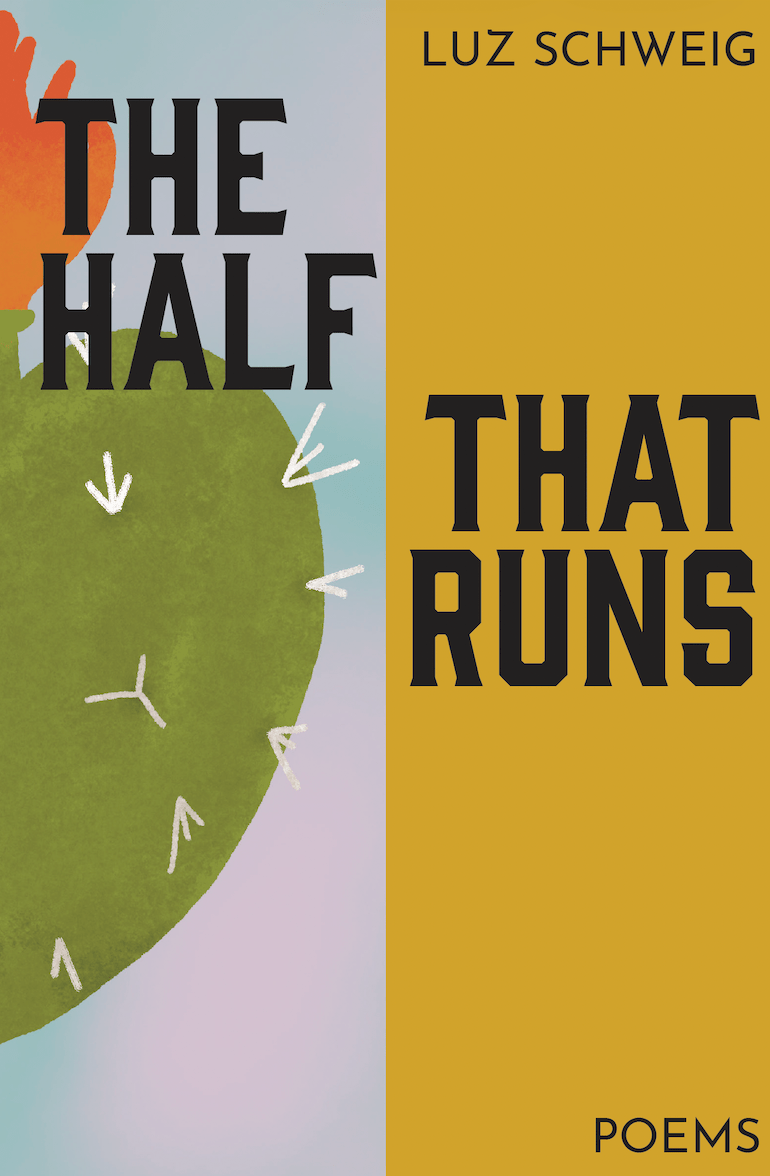
The Half That Runs by Luz Schweig
What if your memories had a geography—one that kept shifting under your feet like sand? Discover how The Half That Runs by Luz Schweig maps identity—read the full piece.
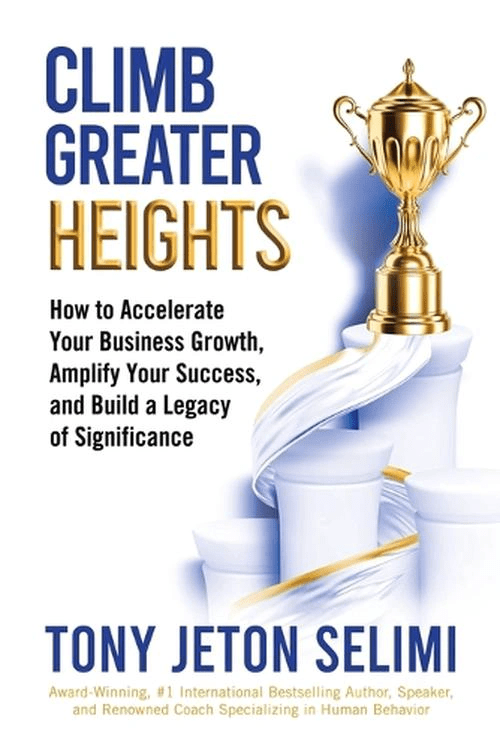
Book Review: Climb Greater Heights by Tony Jeton Selimi
What if your biggest business obstacle isn’t competition but something invisible within you? Discover the answer in Climb Greater Heights by Tony Jeton Selimi—read the full review to explore.

 OneTribune