
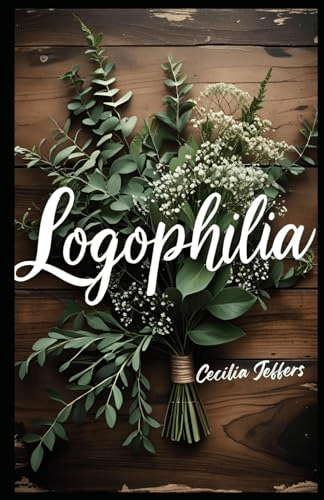
Genre, Sub-genres, and Themes
- Genre: Poetry
- Sub-genres: Contemporary, Reflective, Spiritual, Personal Narrative
- Themes: Love, language, grief, hope, faith, memory, resilience, imagination
Review
There is something inherently human about trying to name the unnamable. Scientists do it when they classify new species; cartographers do it when sketching the edges of unmapped lands. Cecilia Jeffers, in her collection Logophilia, undertakes this same act of naming—but instead of forests or galaxies, she maps the fragile terrain of the heart and mind.
Her poems are built from the raw material of language itself: words discovered, remembered, or unearthed from myth and memory. The result is a collection that feels simultaneously ancient and immediate, where Norse mythology might rub shoulders with a Houston traffic jam, and where silence can carry the weight of galaxies. This elasticity gives her writing its pulse.
Consider how she writes about indecision, or about the void between passion and fear. These are familiar struggles, yet Jeffers illuminates them with metaphors that resist cliché. For instance, in one poem she transforms hesitation into Ginnungagap, the Norse primordial void. This mythological frame enlarges the personal, reminding us that even private battles echo universal origins. Readers who have wrestled with choices that feel too heavy to move will find resonance here.
And yet, for all its depth, the collection doesn’t wallow. Jeffers has a remarkable ability to pivot toward light without denying darkness. Poems such as “Bliss” or “Home” capture the quiet joys and anchors that keep one tethered. They read almost like field notes from the pursuit of peace. Neuroscience tells us that memory and emotion are braided together in the brain; Jeffers’ poems demonstrate this beautifully, making the reader not just understand but feel the emotional imprints of her experiences.
The accessibility of her style is another strength. While some contemporary poetry risks alienating casual readers with opacity, Jeffers invites rather than excludes. She may play with unusual words and layered meanings, but her images remain grounded: the sound of rain, the weight of silence, the warmth of love. This makes her collection suitable for both seasoned poetry lovers and those dipping in for the first time.
Of course, the book will not be for everyone. Readers seeking straightforward narratives or prose-heavy reflections might find poetry’s elliptical style challenging. Those expecting relentlessly upbeat content may also be surprised by the raw honesty of grief, loss, and doubt. But these are not flaws—they are markers of authenticity.
Ultimately, Logophilia is a collection about transformation. It shows how words—fragile, imperfect, and sometimes inadequate—can still build bridges between despair and hope, solitude and connection. In a world where many feel voiceless, Jeffers’ reminder that words can rescue, console, and ignite is not just poetic; it is necessary.
Who should read this book? Anyone who has ever stared into the blankness of a journal page or a sleepless night and wondered whether language could make sense of their unrest. Who might not? Those uninterested in poetry’s condensed, image-driven style.
But for the rest, Jeffers’ collection is less a book than a companion. It proves that even in silence, there are words waiting to be heard.
Content Warning
Contains occasional strong language, references to grief, despair, and alcohol use.
Voyages of Verses Book Award

This book is a winner of the Voyages of Verses Book Award, a recognition for books that expand the horizon of what literature can achieve. We honor works that challenge preconceived notions, broaden worldviews, and celebrate the rich blend of voices that shape our global narrative. Whether it’s a novel that immerses you in a different culture, a collection of poems that captures the essence of shared humanity, or a nonfiction account that sparks critical thought, the Voyages of Verses Book Award celebrates stories that invite exploration and discovery.
We’d love to hear from you!
What are your thoughts on this piece? Share your insights in the comments below!
- What stood out to you most about this post?
- Have you read a book recently that relates to the themes discussed here?
- What’s your favorite takeaway or reflection from this write-up?
Let’s keep the conversation going—your thoughts make this space richer!
Disclaimer: The content on this site is provided for informational and inspirational purposes only. While we strive for accuracy, the views expressed in reviews, articles, and recommendations are subjective and may not reflect the opinions of all readers.
We receive complimentary copies of all books we review. However, this practice does not compromise the integrity or honesty of our reviews. Every write-up reflects the contributor’s genuine impressions and critical analysis, ensuring transparency and trust with our readers.
For a complete understanding of our practices, please refer to our full Disclaimer, Privacy Policy, and Terms of Service. These documents outline how we manage your information, ensure transparency, and uphold your rights as a user.
To request for a review, to nominate your favorite book for an award, or for more details about our awards, click here.
Other Stories
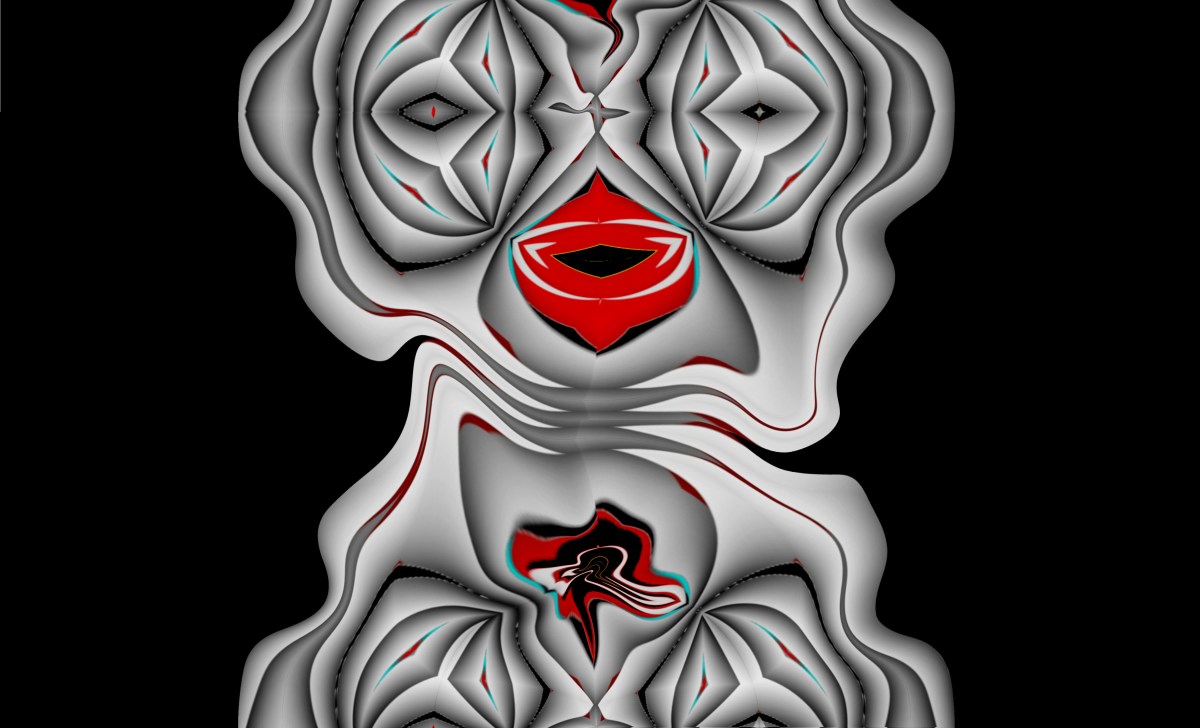
Grieving Ic by Edward Michael Supranowicz
What does a feeling look like when it turns symmetrical? Spend time with Edward Michael Supranowicz’s artwork, let its forms speak, and discover meaning by lingering with the image quietly.

Book Review: The Stress Book by Dr. D. Terrence Foster
If an octopus could text, juggle, cook, plan a future, soothe trauma, and still feel behind—would it read The Stress Book? You’ll find out why that’s relevant as you read on.
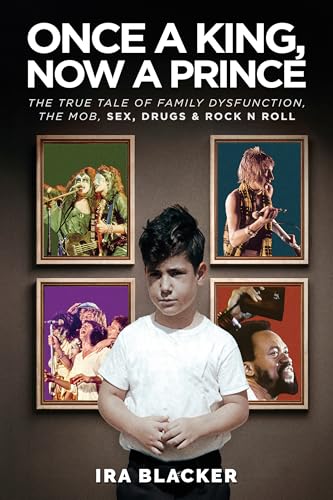
Once A King, Now A Prince by Ira Blacker
What happens when imagination becomes a survival skill instead of a pastime? Once A King, Now A Prince by Ira Blacker reveals the answer—if you’re willing to follow the journey.

 OneTribune