
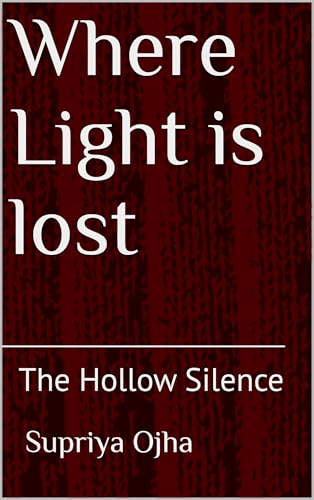
Have you ever wondered what a forest would say if it could speak directly to your struggles? This book dares to ask that question—and the answer lies within its pages.
Genre, Sub-genres, Themes:
Genre: Inspirational Nonfiction
Sub-genres: Self-help, Poetic Meditation, Reflective Narrative
Themes: Transformation, Resilience, Silence, Shadows, Inner Journey, Light Beyond Struggle
Review:
Where Light Is Lost is less a plot-driven book than a companion for the small, honest acts that keep someone alive through nights of meaninglessness. The “protagonist” here is the reader; the setting is a forest at dusk that becomes the book’s guiding image. That forest is a place where certainties fall away and the work of attention begins. The author’s voice is intimate — at times a friend speaking across a bedside lamp, at others a gentle mapmaker pointing to the lantern you already have but haven’t yet learned to trust.
The book reads as a sequence of invitations: to name the ache, to notice the inner critic, to breathe, to do the small things that scientists and clinicians often call “behavioral activation.” Research on affect labeling and emotional regulation supports one of the book’s repeated prescriptions: naming what we feel — aloud or in writing — measurably reduces emotional reactivity. Supriya Ojha doesn’t lecture with studies; she uses metaphor and short practices to make those findings feel human. That’s one of the book’s strengths: it translates psychological truths into usable, poetic guidance.
You’ll find passages that feel like therapy and passages that feel like prayer, though the book never insists on a single belief system. It is especially good at validating the quiet victories — getting out of bed, drinking water, answering a text — and at naming how small acts can be resistances against despair. Anecdotally, readers who’ve sat with friends through low seasons will recognize these scenes: the slow returning of color, the awkward first laugh, the tremulous decisions that add up to movement.
If there’s an unconventional quality here, it’s the book’s refusal to tidy the journey into a checklist. Instead, it offers presence: the author sits with the reader in the holy middle where clarity doesn’t yet exist. That approach will be deeply meaningful for thoughtful readers and for counselors who want language to share with clients. At the same time, the prose sometimes repeats themes — silence, shadows, the clearing — in ways that could be edited tighter without losing the book’s tone. A careful line edit would also smooth minor grammatical slips.
Who this book is for: readers willing to sit with hard feelings rather than skim past them; people who want lyrical, practice-minded reflections; counselors, chaplains, and readers recovering from loss who appreciate psychological nuance wrapped in metaphor. Who it is not for: readers seeking quick, tactical “ten-step” solutions or purely upbeat platitudes; those who want a tightly prescriptive self-help manual.
Above all, Where Light Is Lost offers companionship for the slow work of waking up again. It is not a tidy cure — it does not pretend to be — but it is a humane, thoughtful map for anyone learning to trust their own lantern.
Content warning: The manuscript contains candid reflections on grief, deep despair, and moments when the desire to stop living is described. While ultimately oriented toward renewal, readers who are in a very fragile state should consider support from a trusted friend or mental health professional before reading.
Other Stories
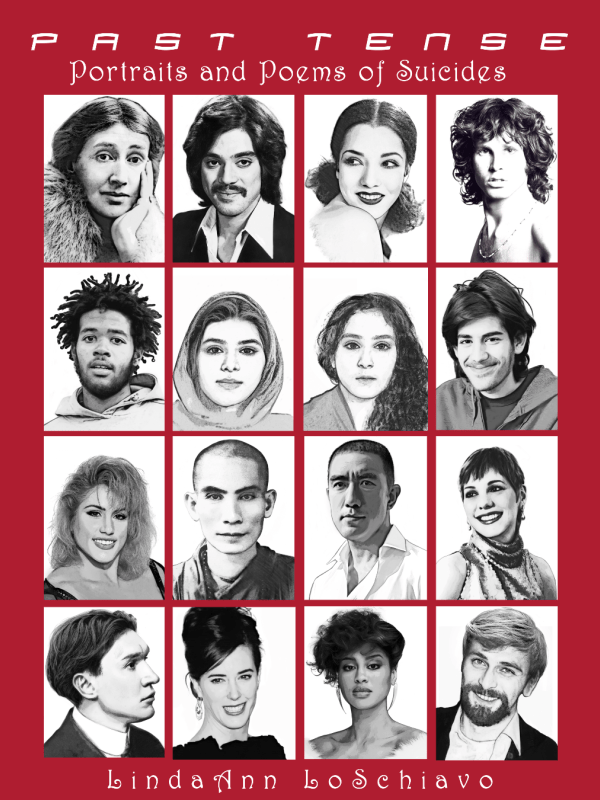
Past Tense by LindaAnn LoSchiavo
Can twenty-three different poetic forms make silence speak without pretending to know everything? Past Tense by LindaAnn LoSchiavo invites readers to investigate through poetry together.
Keep reading
Rajat Chohda: Exploring Conscious Living Through Reflection and Everyday Practice
Can a question about an ordinary family conversation change how you define success? Rajat Chohda explores this journey through his experiences, ideas, and writing; read the full interview to discover.
Keep reading
Turning by Wayne Feinstein
What if the loudest room you’ve ever entered was your own memory? Discover how Turning by Wayne Feinstein explores that unexpected question in our full review.
Keep reading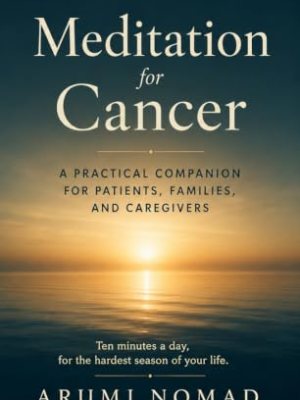
Meditation for Cancer: A Practical Companion for Patients, Families and Caregivers by Arumi Nomad
What if the strongest medicine you carried couldn’t fit inside a bottle? Discover how Meditation for Cancer by Arumi Nomad explores that surprising question in our complete review.
Keep reading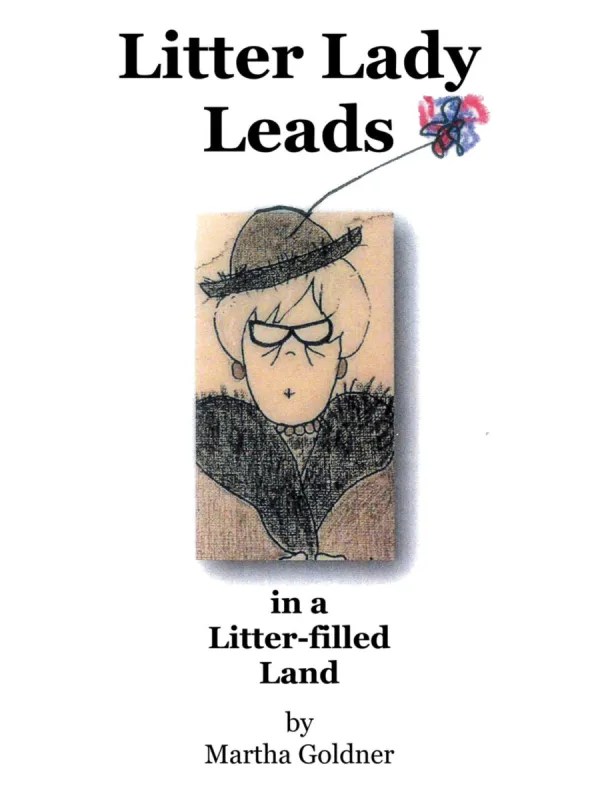
Litter Lady Leads by Martha Goldner
Can one person’s strange habit quietly change an entire neighborhood? Discover why Litter Lady Leads by Martha Goldner asks an unexpected question—and why the full story offers the answer.
Keep readingWe’d love to hear from you!
What are your thoughts on this piece? Share your insights in the comments below!
- What stood out to you most about this post?
- Have you read a book recently that relates to the themes discussed here?
- What’s your favorite takeaway or reflection from this write-up?
Let’s keep the conversation going—your thoughts make this space richer!
Disclaimer: The content on this site is provided for informational and inspirational purposes only. While we strive for accuracy, the views expressed in reviews, articles, and recommendations are subjective and may not reflect the opinions of all readers.
We receive complimentary copies of all books we review. However, this practice does not compromise the integrity or honesty of our reviews. Every write-up reflects the contributor’s genuine impressions and critical analysis, ensuring transparency and trust with our readers.
For a complete understanding of our practices, please refer to our full Disclaimer, Privacy Policy, and Terms of Service. These documents outline how we manage your information, ensure transparency, and uphold your rights as a user.
To request for a review, to nominate your favorite book for an award, or for more details about our awards, click here.
Other Stories
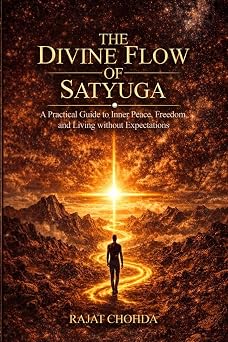
The Divine Flow of Satyuga by Rajat Chohda
What if the heaviest suitcase you carry has no handle and no weight? Discover how The Divine Flow of Satyuga by Rajat Chohda explores that mystery in the full review.
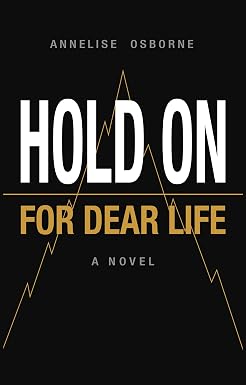
Hold On for Dear Life by Annelise Osborne
What if the greatest investment you ever made wasn’t money but trust? Discover how Hold On for Dear Life by Annelise Osborne explores that question in the review below.
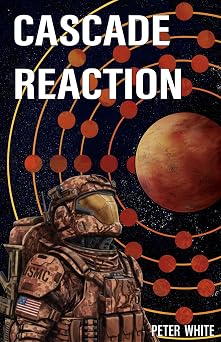
Cascade Reaction by Peter White
What if the safest place to lose humanity was the very world built to save it? Discover how Cascade Reaction by Peter White explores that unsettling possibility in the review below.


