
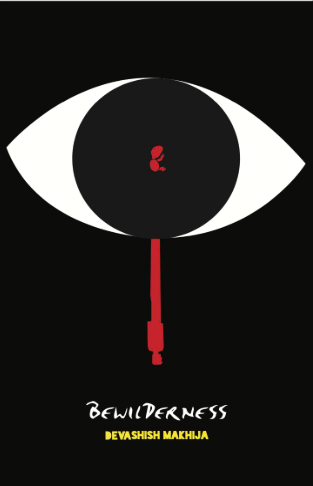
What happens to a half-read email, an empty bed, or a forgotten city when life stops abruptly? This piece will take you inside a collection that wrestles with such haunting questions.
Book Title and Author
Bewilderness by Devashish Makhija
Genre, Sub-genres, and Themes
- Genre: Poetry
- Sub-genres: Contemporary poetry, Political poetry, Confessional poetry, Experimental verse
- Themes: Mortality, grief, love, displacement, identity, violence, intimacy, memory, art’s survival
Review
How do you measure the weight of an unfinished life—by the dust that gathers on an unused broom, or the soup left cooling on the stove? Devashish Makhija’s Bewilderness seems to suggest that it is in these overlooked fragments that the enormity of existence reveals itself. His poems read like maps drawn with trembling hands, cartographies of sorrow and sudden tenderness. The collection does not simply ask us to read; it dares us to witness.
Imagine riding a crowded Mumbai local train: bodies swaying, eyes glazed, and yet, in the midst of all that anonymity, one stray elbow brushes yours and a universe unfolds. That is what these poems often feel like—a mundane moment cracked open to reveal the startling cosmos within. Makhija’s language works with the precision of a scalpel, and sometimes with the blunt force of a hammer. Each word has weight, each pause the silence of something unspeakable.
Science tells us that human fingerprints are unique and unrepeatable. In one of his poems, the poet twists this fact into a rebellion, imagining fingerprints rearranging themselves, denying identity, slipping away from recognition. It is not just a meditation on individuality; it’s a metaphor for lives erased by conflict, displacement, or bureaucracy. Here, art does what empirical truths cannot—it unsettles.
Some poems are personal recollections of fathers, lovers, or lost intimacies. Others take us to burning villages, to refugee camps, to places where history itself seems bruised. And yet, the book resists the temptation of despair. In the charred remains of forests, in the debris of demolished homes, even in the ache of unfinished conversations, Makhija’s voice insists that memory can still bloom like a stubborn flower pushing through concrete.
Who is this book for? It is for those who are not afraid of poetry that cuts too close to the bone. Readers who want verse to soothe like a lullaby may find themselves unsettled, but those willing to confront questions of belonging, mortality, and desire will discover a rare and necessary honesty. This is not for someone looking for easy aphorisms to post on a fridge magnet. It is for those who know that words can sting, and still choose to lean closer.
In one poem, the poet writes about soap dissolving in the drain, becoming water, then reservoir, then rain. It is an ordinary object, but Makhija transforms it into a meditation on reincarnation, on the relentless cycle of matter. Isn’t that what great poetry does—remind us that nothing, not even a bar of soap, truly disappears?
Bewilderness is not comfortable reading. But comfort is not its purpose. Its purpose is to hold up a mirror, to remind us that our lives—however fragile, however fleeting—are threaded with echoes of others. When you put the book down, it lingers, like the afterimage of a flame on your eyelids.
Content Warning
This collection contains strong imagery of death, violence, sexuality, and existential despair, which may be intense for some readers.
Voyages of Verses Book Award

This book is a winner of the Voyages of Verses Book Award, a recognition for books that expand the horizon of what literature can achieve. We honor works that challenge preconceived notions, broaden worldviews, and celebrate the rich blend of voices that shape our global narrative. Whether it’s a novel that immerses you in a different culture, a collection of poems that captures the essence of shared humanity, or a nonfiction account that sparks critical thought, the Voyages of Verses Book Award celebrates stories that invite exploration and discovery.
We’d love to hear from you!
What are your thoughts on this piece? Share your insights in the comments below!
- What stood out to you most about this post?
- Have you read a book recently that relates to the themes discussed here?
- What’s your favorite takeaway or reflection from this write-up?
Let’s keep the conversation going—your thoughts make this space richer!
Disclaimer: The content on this site is provided for informational and inspirational purposes only. While we strive for accuracy, the views expressed in reviews, articles, and recommendations are subjective and may not reflect the opinions of all readers.
We receive complimentary copies of all books we review. However, this practice does not compromise the integrity or honesty of our reviews. Every write-up reflects the contributor’s genuine impressions and critical analysis, ensuring transparency and trust with our readers.
For a complete understanding of our practices, please refer to our full Disclaimer, Privacy Policy, and Terms of Service. These documents outline how we manage your information, ensure transparency, and uphold your rights as a user.
To request for a review, to nominate your favorite book for an award, or for more details about our awards, click here.
Other Stories

Reimagining Life Through Words and Service with Debra J. White
What happens when life’s hardest blows lead to unexpected purpose? Discover how Debra turned trauma, recovery, and rescued animals into writing and volunteer work that inspires resilience and connection.
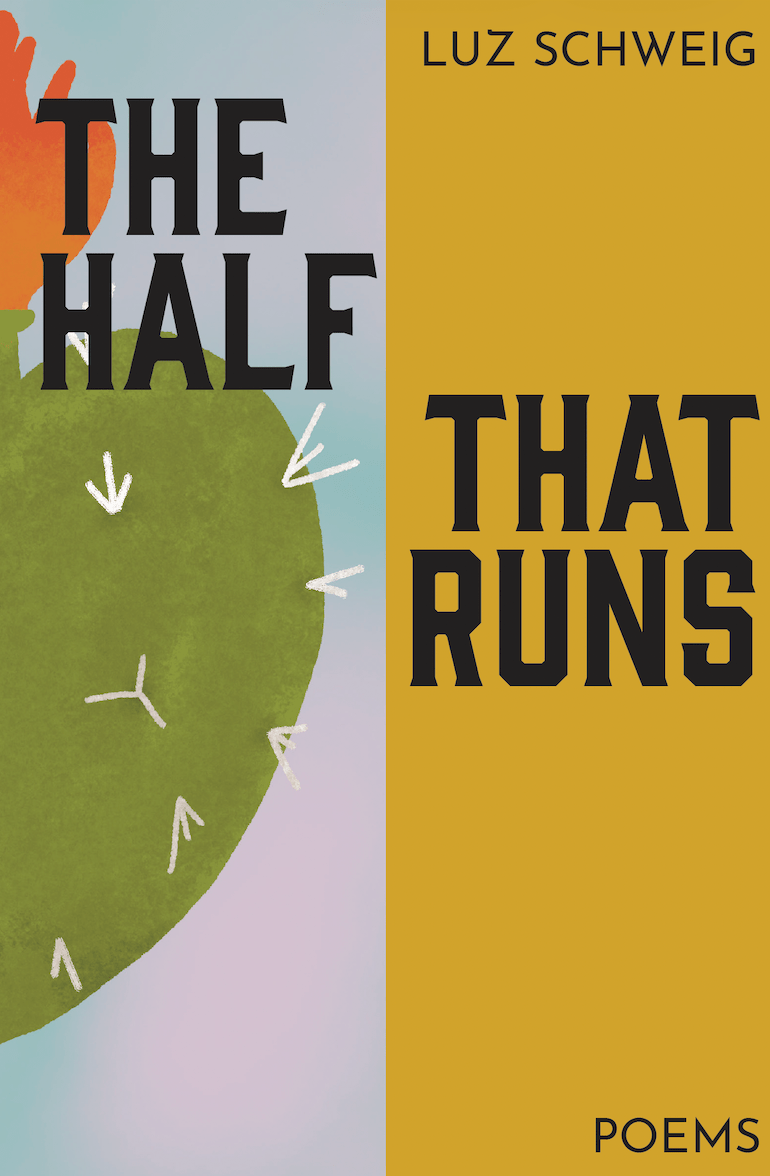
The Half That Runs by Luz Schweig
What if your memories had a geography—one that kept shifting under your feet like sand? Discover how The Half That Runs by Luz Schweig maps identity—read the full piece.
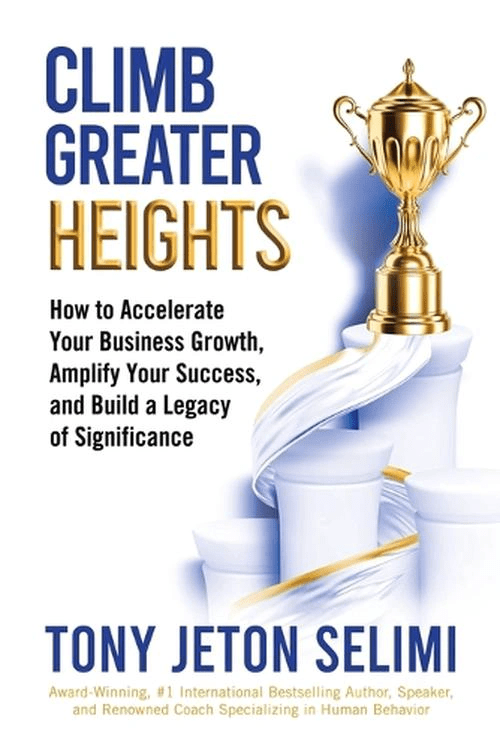
Book Review: Climb Greater Heights by Tony Jeton Selimi
What if your biggest business obstacle isn’t competition but something invisible within you? Discover the answer in Climb Greater Heights by Tony Jeton Selimi—read the full review to explore.

 OneTribune