Can forgetting someone ever be an act of remembering them more deeply? This strange question finds its footing in a quiet novel that invites readers to listen beyond memory—read on to learn how.
Book Title and Author:
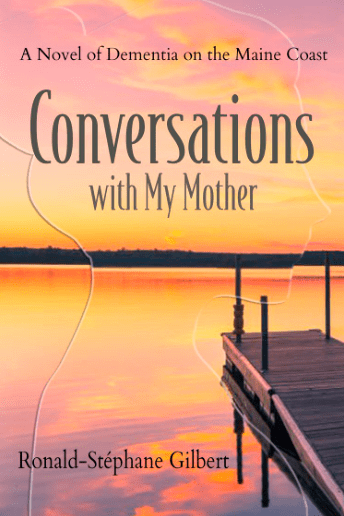
Conversations with My Mother: A Novel of Dementia on the Maine Coast by Ronald-Stéphane Gilbert
Genre: Literary Fiction
Subgenres: Family Drama, Psychological Fiction, Medical Realism
Themes: Memory, identity, aging, loss, reconciliation, inheritance, and the persistence of love
Content Warning: Contains emotionally intense depictions of aging, illness, and the cognitive decline associated with dementia.
There are books that speak through plot and books that speak through silence. Conversations with My Mother chooses silence. Not the absence of words, but the spaces between them—the half-finished thoughts, the repeated phrases, the musical pauses that fill real conversations between parents and adult children. Ronald-Stéphane Gilbert transforms those pauses into prose, building a story that is both deeply specific and strangely universal.
The novel unfolds along Maine’s coast, where the beauty of a place slowly giving way to commercial development mirrors the fading of the human mind. Gilbert’s unnamed narrator, a traveling businessman, returns home to help care for his mother, a once-proud Francophone matriarch whose sense of self is slipping. Alongside his pragmatic sister, he navigates not only the logistics of eldercare but also the moral terrain of memory itself—how much of a person remains when recollection dissolves.
What distinguishes this book is its structure. Rather than a continuous narrative, Gilbert offers vignettes—each conversation a snapshot, a pulse, a fragment of what it means to love someone you can no longer reason with. The form mimics dementia itself: moments flare brightly, then vanish. Readers piece the story together just as the family pieces together their mother’s identity from what she still recalls.
Science tells us that memory is not a recording but a reconstruction—an act of storytelling by the brain. Gilbert’s approach feels built on that same principle. Each short episode reconstructs love through disarray. In one moment, humor surfaces in a misplaced word; in another, grief hides in a casual remark about dinner. The prose feels lived-in, stripped of ornament, yet every line carries the quiet pulse of authenticity.
What makes the book powerful is not its tragedy, but its restraint. Gilbert resists the temptation to turn dementia into spectacle or metaphor. Instead, he presents it as part of the landscape—something to be navigated, not defeated. Like the eroding coastline around the family’s home, the condition reveals as much as it removes.
There is a moral current beneath the narrative, though it never preaches. The novel asks whether caring for a parent is a duty, an act of love, or both—and whether the two can ever be separated. It also explores what “inheritance” really means. The land may pass from hand to hand, but what about compassion, humor, decency? Those, Gilbert seems to say, are not lost even to disease.
This is not a book for readers chasing spectacle or suspense. It is for those who listen for echoes—the ones who linger on old voicemails, who find meaning in half-remembered stories, who know that love sometimes speaks most clearly when language falters.
Conversations with My Mother is a meditation disguised as a novel, a piece of literary tidework that erodes slowly and leaves something shining beneath: the recognition that remembering isn’t the opposite of forgetting—it’s what happens in its shadow.
Atlas of Stories Award
This book is a recipient of the Atlas of Stories Award, an accolade that celebrates works mapping the literary world with creativity and depth. Aligned with our mission of “Mapping the World Through Books,” this award honors stories that inspire, educate, and entertain while transcending cultural and imaginative borders. These remarkable narratives explore universal themes, fostering connection and understanding as they take readers on a journey through the richness of global storytelling.
We’d love to hear from you!
What are your thoughts on this piece? Share your insights in the comments below!
- What stood out to you most about this post?
- Have you read a book recently that relates to the themes discussed here?
- What’s your favorite takeaway or reflection from this write-up?
Let’s keep the conversation going—your thoughts make this space richer!
Disclaimer: The content on this site is provided for informational and inspirational purposes only. While we strive for accuracy, the views expressed in reviews, articles, and recommendations are subjective and may not reflect the opinions of all readers.
We receive complimentary copies of all books we review. However, this practice does not compromise the integrity or honesty of our reviews. Every write-up reflects the contributor’s genuine impressions and critical analysis, ensuring transparency and trust with our readers.
For a complete understanding of our practices, please refer to our full Disclaimer, Privacy Policy, and Terms of Service. These documents outline how we manage your information, ensure transparency, and uphold your rights as a user.
To request for a review, to nominate your favorite book for an award, or for more details about our awards, click here.
Other Stories

Growth Unlocked – Books That Show the Power of Transformation
Personal growth is often a journey of trials, resilience, and, ultimately, transformation. In literature, these journeys reveal the potential within us to change, evolve, and discover our truest selves—even in the face of adversity. “Growth Unlocked” stories tap into the essence of self-discovery, resilience, and the process of becoming something more than we once were.…
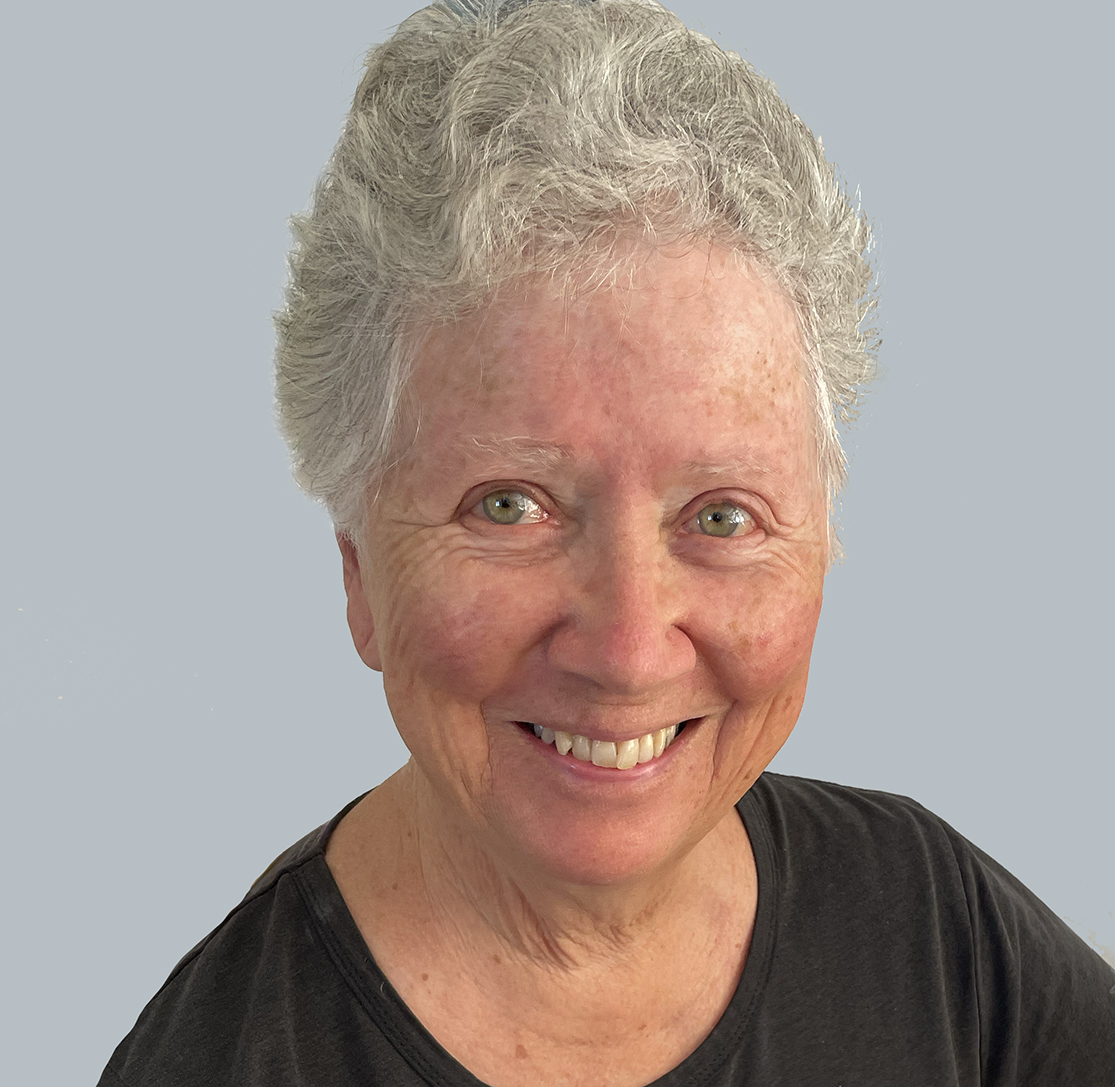
Learning from the Land: A Conversation with Cathryn Wellner on Life’s Unexpected Lessons
Ever wondered what it’s like to raise sheep, pigs, and camels while learning life lessons along the way? Cathryn Wellner shares her unexpected journey, and readers will discover how she adapted and thrived.
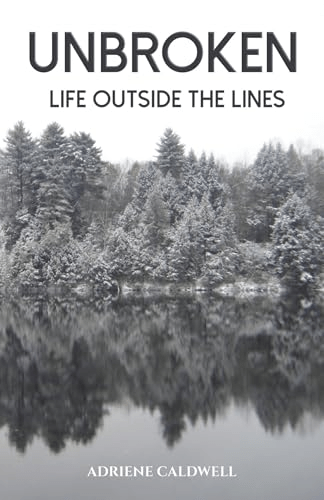
Book Review of Unbroken: Life Outside the Lines by Adriene Caldwell
What if your strongest survival tool wasn’t strength but instinct? In Unbroken: Life Outside the Lines by Adriene Caldwell, discover how one life answers that question—if you dare read on.

 OneTribune