
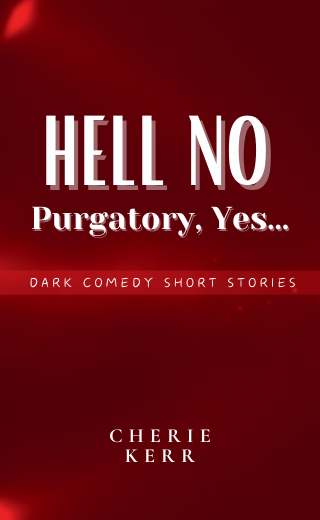
Have you ever wondered if candle wax could clog your lungs—or if champagne on a Malibu balcony might spark questions about eternity? This review uncovers how such oddities fuel a book’s brilliance.
Book Info
Hell No, Purgatory Yes… by Cherie Kerr
Genre: Dark Comedy
Sub-genres: Satire, Short Stories, Surrealist Fiction
Themes: Sin and guilt, illusion versus truth, existential searching, absurdity of human behavior, morality
Review
Some books hold up a mirror to society; others tilt the glass just enough so that what we see is both hilarious and unnerving. Cherie Kerr’s Hell No, Purgatory Yes… belongs to the second category. A collection of darkly comic short stories, it doesn’t aim to comfort—it aims to jolt us into recognizing the contradictions that shape our daily lives.
The opening tale, about an eight-year-old girl stepping into the confessional, feels deceptively innocent at first. Yet, within a few pages, Kerr peels back layers of guilt, imagination, and the performative nature of faith. The girl fabricates sins because not having any seems worse than the sins themselves. This is both funny and devastating—an echo of the way children try to meet impossible standards set by adults. Developmental psychologists note that children often fill gaps in logic with invented rules, a survival tactic that Kerr captures with uncanny accuracy.
Other stories shift gears entirely. In “The Balcony,” wealth and privilege frame a couple’s debate over the purpose of life. It is not the champagne or the setting that gives the tale its sharpness, but the contrast between luxury and emptiness. Anyone who has scrolled through curated social media images of “perfect lives” will feel a resonance here. Science backs the irony: studies show that higher income does not equate to greater happiness once basic needs are met. Kerr’s characters embody that paradox, showing that fulfillment cannot be bought, even if champagne flows endlessly.
One of the book’s most surreal offerings, “That Room,” pushes into the territory of allegory. A character sits with strange glowing objects in her hands, trapped in a claustrophobic space while a disembodied voice nags from above. It is a psychological experiment on paper, recalling both Kafka and Beckett, but rooted in modern anxieties about self-judgment and authority. Neuroscientists might frame it as a dramatization of intrusive thoughts: the inner critic given a literal voice. The effect is unsettling, but laced with humor that stops it from tipping into despair.
What makes the book unconventional is not just its subject matter but its tonal daring. Kerr moves easily from deadpan dialogue to near-theatrical absurdity, making readers laugh in moments they least expect. At the same time, there is a sobering honesty beneath the humor. The stories acknowledge how people grasp at meaning, distort truth, or rehearse rituals to avoid confronting emptiness. In that sense, the collection feels like a guided tour through a psychological “purgatory”—not eternal punishment, but an endless rehearsal for clarity.
This book is not for those seeking tidy morals, uplifting parables, or a smooth bedtime read. It is, however, ideal for readers who appreciate wit sharpened with irony, humor threaded with poignancy, and questions that linger long after the page is turned. Much like laughter itself—sometimes born from discomfort—it is cathartic, necessary, and strangely healing.
Content Warning
Contains strong language, irreverent depictions of religious rituals, and existential themes that may be unsettling for younger audiences.
We’d love to hear from you!
What are your thoughts on this piece? Share your insights in the comments below!
- What stood out to you most about this post?
- Have you read a book recently that relates to the themes discussed here?
- What’s your favorite takeaway or reflection from this write-up?
Let’s keep the conversation going—your thoughts make this space richer!
Disclaimer: The content on this site is provided for informational and inspirational purposes only. While we strive for accuracy, the views expressed in reviews, articles, and recommendations are subjective and may not reflect the opinions of all readers.
We receive complimentary copies of all books we review. However, this practice does not compromise the integrity or honesty of our reviews. Every write-up reflects the contributor’s genuine impressions and critical analysis, ensuring transparency and trust with our readers.
For a complete understanding of our practices, please refer to our full Disclaimer, Privacy Policy, and Terms of Service. These documents outline how we manage your information, ensure transparency, and uphold your rights as a user.
To request for a review, to nominate your favorite book for an award, or for more details about our awards, click here.
Other Stories

Reimagining Life Through Words and Service with Debra J. White
What happens when life’s hardest blows lead to unexpected purpose? Discover how Debra turned trauma, recovery, and rescued animals into writing and volunteer work that inspires resilience and connection.
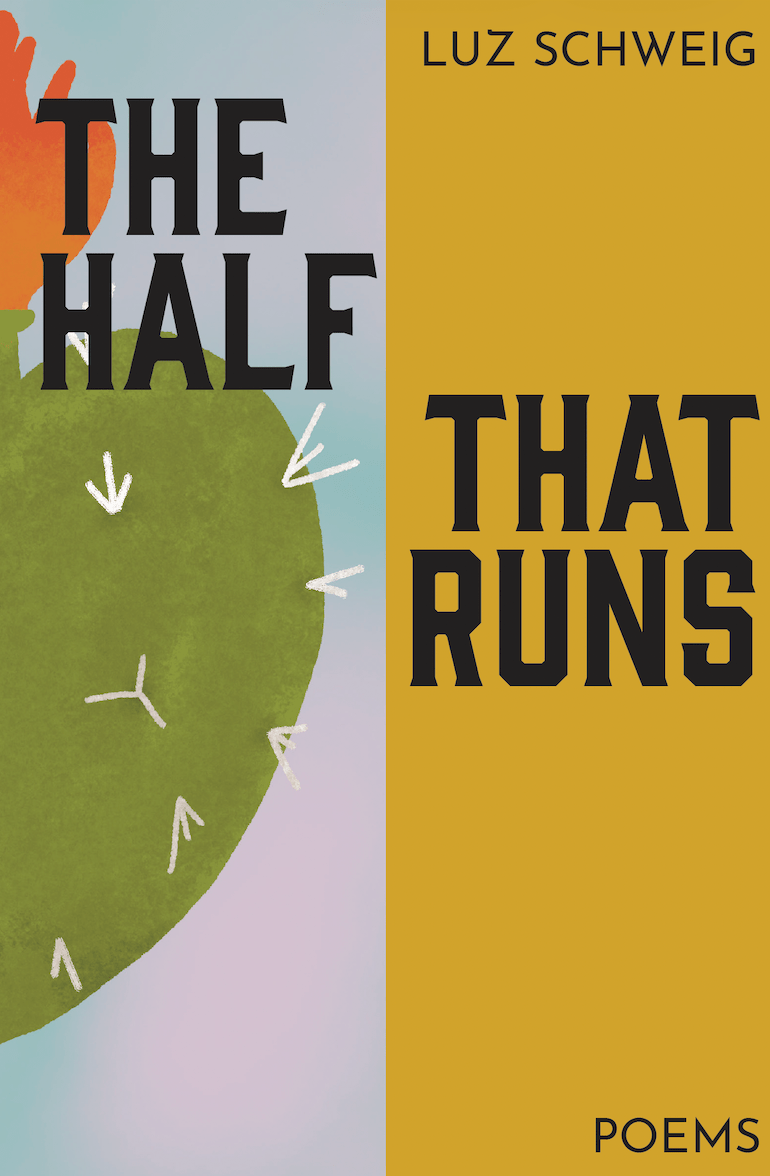
The Half That Runs by Luz Schweig
What if your memories had a geography—one that kept shifting under your feet like sand? Discover how The Half That Runs by Luz Schweig maps identity—read the full piece.
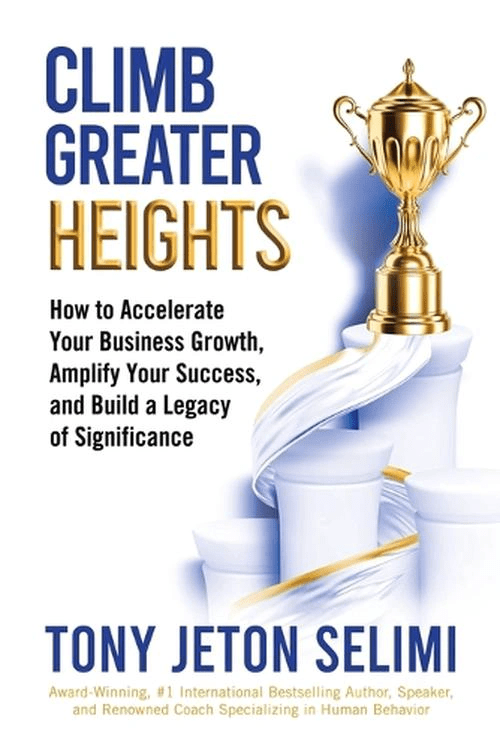
Book Review: Climb Greater Heights by Tony Jeton Selimi
What if your biggest business obstacle isn’t competition but something invisible within you? Discover the answer in Climb Greater Heights by Tony Jeton Selimi—read the full review to explore.

 OneTribune