What if stress isn’t just about what’s happening to you—but about how much of yourself you’ve had to leave behind just to keep up?
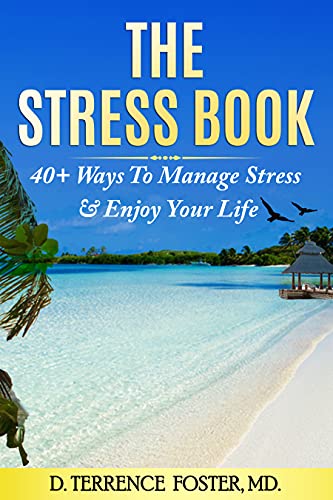
Dr. D. Terrence Foster’s The Stress Book: Forty-Plus Ways to Manage Stress & Enjoy Your Life isn’t your usual wellness read. There are no softly lit metaphors about inner peace, no promises to “manifest your best self,” and no smug gratitude journaling instructions. Instead, this book reads like a well-lit hallway in a house you’ve been living in for years but never fully explored. Room by room, chapter by chapter, it turns on the lights.
What makes this book unconventional isn’t its topic—it’s how honestly it treats the reader. Most books about stress give you surface solutions: try yoga, take breaks, breathe deeply. This one asks a more uncomfortable, more necessary question: What are you still doing that you don’t believe in anymore? And more importantly—why?
Foster doesn’t assume your stress is irrational. In fact, he assumes the opposite. Maybe your stress makes perfect sense—maybe it’s the most logical response to an illogical lifestyle. One designed by a society that rewards burnout and pathologizes stillness. And that’s where this book becomes quietly radical. It doesn’t try to coax you into calming down. It gives you full permission to step back, re-evaluate, and, if necessary, walk away from what’s hurting you.
It’s part blueprint, part mirror.
There’s something unexpectedly elegant about the way the book approaches complexity. Foster breaks down stress into tangible categories—physical, mental, community-based—without oversimplifying the interconnectedness of it all. Stress isn’t presented as a single flame to extinguish but as a system of overheating wires running through your life. And here, Foster isn’t an alarmist electrician—he’s a calm, methodical one. He gives you the diagram. He shows you which wires connect where. He helps you choose what to rewire and what to cut off entirely.
There’s a kind of quiet activism in his approach. He doesn’t call it that—but it’s there. When he suggests saying no, leaving toxic relationships, rejecting obligations that erase your well-being—he’s advocating for something deeply personal but undeniably political: the idea that your peace is worth defending, even if it makes you inconvenient.
And it’s worth noting—this isn’t a self-help book dressed in a lab coat. It’s written by a doctor, yes, but also a man who’s spent decades in systems that are themselves overextended: healthcare, legal, nonprofit. That context hums underneath every page. He isn’t speculating—he’s reporting.
The tone is steady. Not breezy. Not dramatic. More like a good friend who’s helped other people through hard things, and who now—quietly, without fanfare—sits beside you and asks, “Want to figure this out?”
If you’re looking for a tidy reset button, this isn’t the book. But if you’re looking for an honest, clear-eyed path back to yourself—one that respects your intelligence and your exhaustion—then The Stress Book may not change everything overnight. But it will change the way you look at everything.
And sometimes, that’s how real change begins.
Narrative Voyager Award

This book is a winner of the Narrative Voyager Award, which recognizes the transformative power of storytelling. In a world filled with myriad voices and stories waiting to be discovered, this award highlights books that inspire empathy, challenge conventions, and foster connections across borders—be they physical, cultural, or emotional. By celebrating these stories, we hope to create a literary map where every reader can take on journeys of discovery, reflection, and growth.
We’d love to hear from you!
What are your thoughts on this piece? Share your insights in the comments below!
- What stood out to you most about this post?
- Have you read a book recently that relates to the themes discussed here?
- What’s your favorite takeaway or reflection from this write-up?
Let’s keep the conversation going—your thoughts make this space richer!
Disclaimer: The content on this site is provided for informational and inspirational purposes only. While we strive for accuracy, the views expressed in reviews, articles, and recommendations are subjective and may not reflect the opinions of all readers.
We receive complimentary copies of all books we review. However, this practice does not compromise the integrity or honesty of our reviews. Every write-up reflects the contributor’s genuine impressions and critical analysis, ensuring transparency and trust with our readers.
For a complete understanding of our practices, please refer to our full Disclaimer, Privacy Policy, and Terms of Service. These documents outline how we manage your information, ensure transparency, and uphold your rights as a user.
To request for a review, to nominate your favorite book for an award, or for more details about our awards, click here.
Other Stories

Reimagining Life Through Words and Service with Debra J. White
What happens when life’s hardest blows lead to unexpected purpose? Discover how Debra turned trauma, recovery, and rescued animals into writing and volunteer work that inspires resilience and connection.
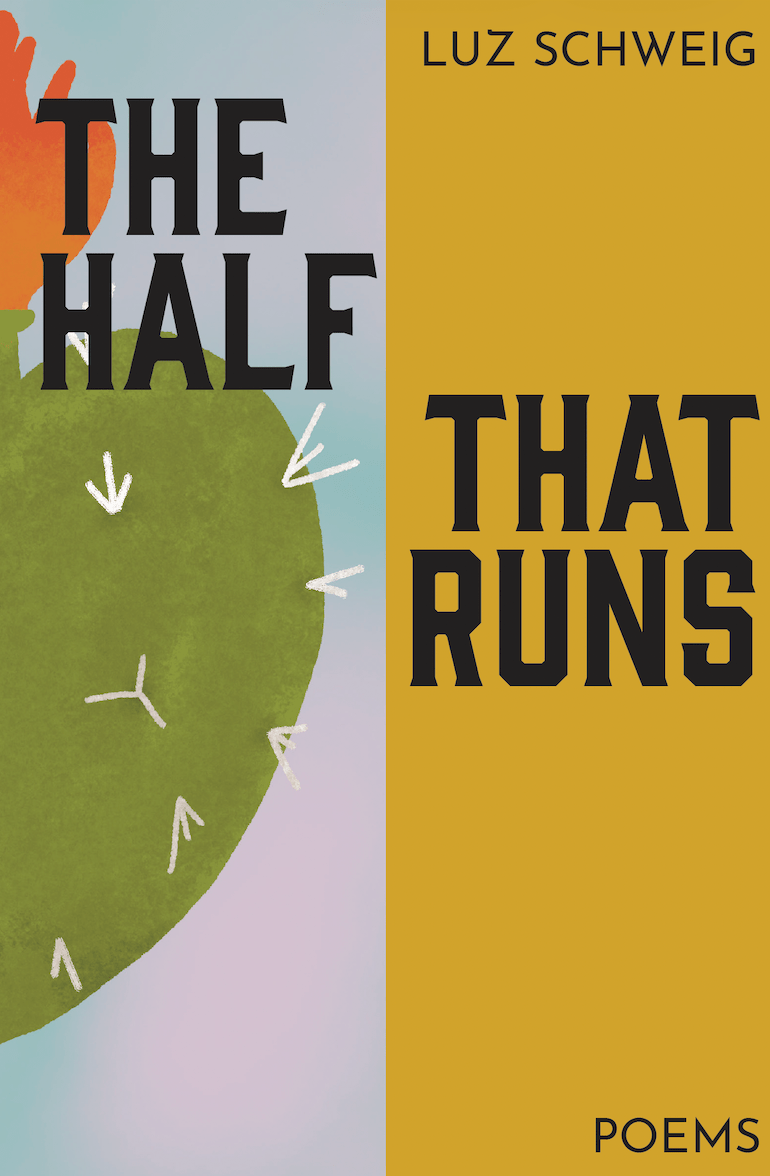
The Half That Runs by Luz Schweig
What if your memories had a geography—one that kept shifting under your feet like sand? Discover how The Half That Runs by Luz Schweig maps identity—read the full piece.
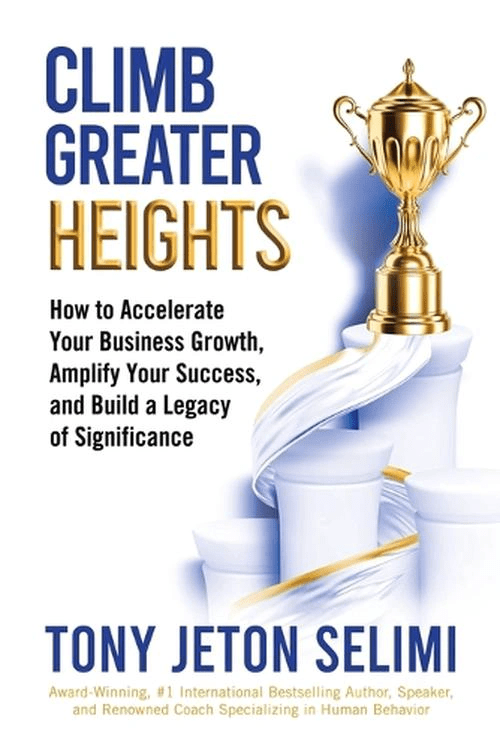
Book Review: Climb Greater Heights by Tony Jeton Selimi
What if your biggest business obstacle isn’t competition but something invisible within you? Discover the answer in Climb Greater Heights by Tony Jeton Selimi—read the full review to explore.

 OneTribune