

If a village anywhere in the world believed a child was a divine messenger—and no one could prove otherwise—would it be folklore, prophecy, or community psychology? This report investigates.
EXECUTIVE SUMMARY
Holy Parrot is a fictional narrative that reads like a living myth. It tells the story of Maria, a young Colombian girl in a coastal fishing village, who claims to be pregnant with a divine child—a claim made credible, she says, by a local parrot who speaks a prophetic phrase: “Today will be a good day.”
Despite its contemporary setting and global context, the novel functions as a modern case study of myth genesis, showing how local culture, outsider presence, and symbolic language converge to create belief.
This document proposes Holy Parrot be placed in the category of Contemporary Cross-Cultural Myth Narratives, with relevance to ongoing research in belief systems, narrative resilience, and the globalization of local miracles.
FIELD CONTEXT: GLOBAL ECHOES OF A TALKING BIRD
From the Dogon Sirius myths of Mali to the Virgin of Guadalupe in Mexico, and from the visions of Fatima to the oracular pigeons of India, human cultures have long elevated unexpected messengers into vessels of the sacred.
What Holy Parrot offers is a fictional yet startlingly plausible case of this phenomenon, set in a digital, post-colonial, globally connected world. The macaw, Gabriel, is neither caricature nor mascot. His presence is taken seriously not because of supernatural theatrics, but because of a timely phrase and a collective need.
Such examples align with globally observed truths:
- Myth does not require origin—only repetition.
- Belief systems do not require proof—only cohesion.
- Communities often gather around ambiguity faster than they do certainty.
STAKEHOLDER ANALYSIS: WHO BELIEVES AND WHY?
Local Villagers:
Within the narrative, the people of Buritaca begin to bring offerings to Maria and her family. There is no organized doctrine—only instinct. Their belief arises organically, not as obedience but as recognition. It is cultural homeostasis: a system seeking narrative equilibrium.
Tourists and Outsiders:
The novel reflects a global pattern of “miracle tourism.” From Lourdes to Shirdi to pilgrimage economies, outsiders arrive not always in faith—but in curiosity, in hope, or in the need to observe belief in action. The book captures this with nuance, avoiding caricature.
Leonard, the Foreigner:
Leonard, a Melbourne-based scientist, enters as the “rational outsider”—but Holy Parrot subverts this trope. Leonard’s journey is not one of conversion or debunking. It is one of witnessing. Of listening. His internal shift represents a broader global question:
Can we live ethically beside stories we do not share?
THEMATIC FINDINGS
- Language as Ritual: Gabriel’s phrase becomes a sacred utterance. Across cultures, short-form oral traditions (e.g., mantras, chants, blessings) act as emotional anchors. “Today will be a good day” is structurally no different from “Inshallah” or “Namaste.” It carries hope encoded in repetition.
- Myth as Identity Management: Maria’s pregnancy becomes not just a personal or biological event—it becomes collective identity construction. How people treat her changes how they see themselves. This is mirrored globally in other origin myths, miracle births, and saint narratives.
- Science & Spirit Coexistence: The novel refuses binaries. Leonard continues testing telomeres while carrying Maria’s groceries. The parrot is both mimic and messenger. This is a critical global insight: cultures are not divided into rational or irrational—they are simply layered.
RECOMMENDATIONS FOR CROSS-CULTURAL LEARNING
- Literary Inclusion: Holy Parrot should be featured in comparative literature studies alongside texts like The Alchemist (Paulo Coelho), Things Fall Apart (Chinua Achebe), and The Book of Form and Emptiness (Ruth Ozeki), where myth meets lived experience.
- Global Classroom Dialogues: This novel is ideal for workshops on how narratives shape community, and how belief functions across different systems—faith, family, science, and storytelling.
- Oral Traditions Archive Simulation: Gabriel’s phrase offers a springboard for students and cultural workers to investigate and archive their own community’s “talking parrots”—phrases, rituals, or events that carry inherited meaning.
CONCLUSION: A BOOK THAT FUNCTIONS LIKE A FOLK TALE
Holy Parrot is not simply a novel. It is an invitation to see what happens when a culture, a question, and a creature converge. It offers no final analysis. It instead gives you what the best global stories give:
- A young girl whose body becomes a battleground for belief.
- A village that grows louder with each whisper.
- A scientist who doesn’t find answers—but does find humility.
- And a bird who speaks only one phrase, but at exactly the right time.
In global heritage terms, we classify such artifacts as living culture.
And in literary terms? We call them unforgettable.
Filed in trust for those who still think wonder has a place in the world.
📍 End of Report.
Global Spines Book Award

This book is a winner of the Global Spines Book Award, which honors exceptional works of literature that transcend borders and speak to universal human experiences. This award celebrates stories that connect readers across the globe, offering fresh perspectives and exploring the richness of cultural diversity. Each winning book reflects the spirit of Global Spines—stories that bridge gaps, foster understanding, and resonate with readers from all walks of life. By recognizing these powerful narratives, we aim to inspire deeper connections and celebrate the power of global storytelling.
We’d love to hear from you!
What are your thoughts on this piece? Share your insights in the comments below!
- What stood out to you most about this post?
- Have you read a book recently that relates to the themes discussed here?
- What’s your favorite takeaway or reflection from this write-up?
Let’s keep the conversation going—your thoughts make this space richer!
Disclaimer: The content on this site is provided for informational and inspirational purposes only. While we strive for accuracy, the views expressed in reviews, articles, and recommendations are subjective and may not reflect the opinions of all readers.
We receive complimentary copies of all books we review. However, this practice does not compromise the integrity or honesty of our reviews. Every write-up reflects the contributor’s genuine impressions and critical analysis, ensuring transparency and trust with our readers.
For a complete understanding of our practices, please refer to our full Disclaimer, Privacy Policy, and Terms of Service. These documents outline how we manage your information, ensure transparency, and uphold your rights as a user.
To request for a review, to nominate your favorite book for an award, or for more details about our awards, click here.
Other Stories

Reimagining Life Through Words and Service with Debra J. White
What happens when life’s hardest blows lead to unexpected purpose? Discover how Debra turned trauma, recovery, and rescued animals into writing and volunteer work that inspires resilience and connection.
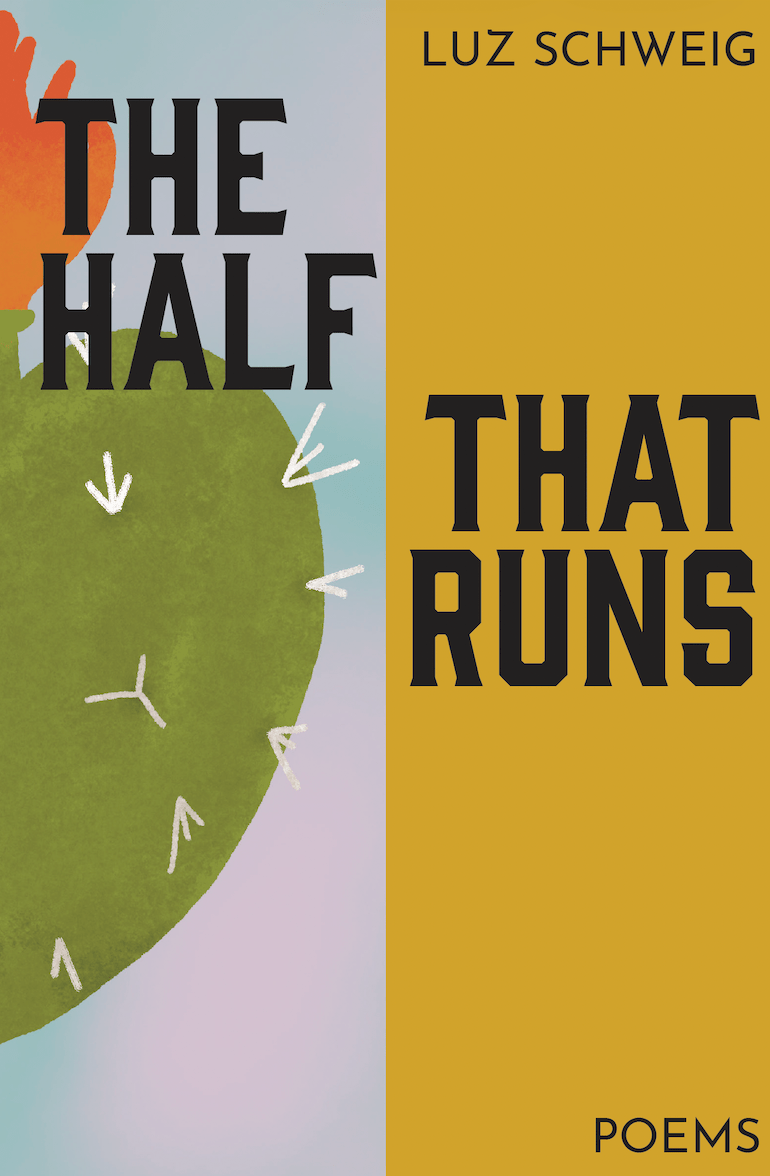
The Half That Runs by Luz Schweig
What if your memories had a geography—one that kept shifting under your feet like sand? Discover how The Half That Runs by Luz Schweig maps identity—read the full piece.
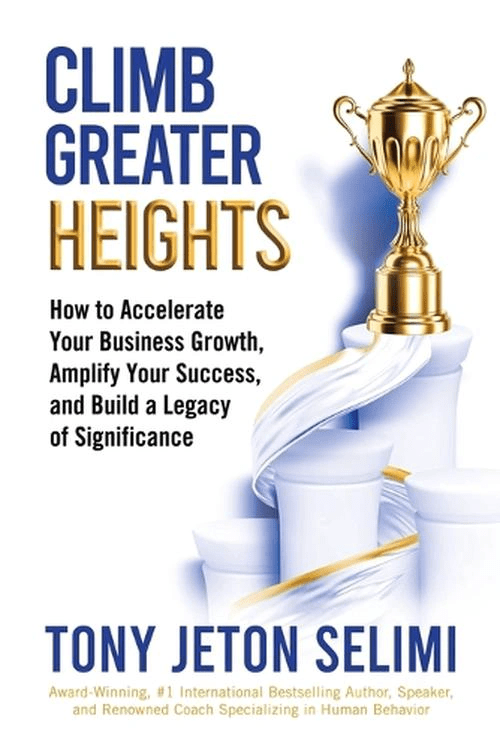
Book Review: Climb Greater Heights by Tony Jeton Selimi
What if your biggest business obstacle isn’t competition but something invisible within you? Discover the answer in Climb Greater Heights by Tony Jeton Selimi—read the full review to explore.

 OneTribune