Genre: Nonfiction
Sub-genres: Self-help, Motivational, Applied Psychology
Themes: Subconscious programming, self-belief, visualization, resilience, holistic growth
Content Warning: None
Review
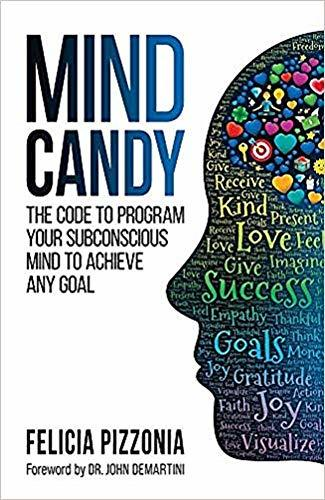
Felicia Pizzonia’s Mind Candy doesn’t read like a lecture from a podium. It feels more like a collection of conversations you might have with a coach who insists you already know the answers. She uses metaphors that at first glance seem oddly ordinary: a child picturing a red bicycle, Arnold Schwarzenegger doing calf raises, a teenager writing out a business plan. Yet these anecdotes stick because they show how the brain is trained by repetition, image, and persistence more than by sudden lightning-bolt inspiration.
The book is structured like a recipe, where each chapter offers a different “ingredient” in what she calls the Mind Candy formula. Unlike most recipes, though, you’re encouraged to improvise. Instead of one rigid plan, readers are shown multiple routes toward cultivating habits and goals. The emphasis isn’t on building castles in the sky but on wiring the everyday brain in ways that quietly nudge reality closer to vision.
What makes this work intriguing is how it brings in unexpected scientific anchors. Epigenetics, for example, is explained not as a complex lab subject but as living proof that our environment—and yes, our mindset—affects how genes are expressed. You finish the section not thinking of Petri dishes but of your next meal, your stress levels, or the way you talk to yourself before bed.
The tone is inviting but persistent. The “Mind Candy Minutes” at the end of each chapter operate like small nudges: record your own affirmations, walk in nature, listen to frequencies shown to ease stress. These aren’t presented as magical tricks, but as repetitions—like lifting weights—that change how the subconscious fires over time.
This book is ideal for readers who enjoy rolling up their sleeves and testing ideas in practice rather than only thinking about them. It won’t suit someone looking for a skeptical takedown or for quick motivational slogans that evaporate the next day. Instead, it’s written for those willing to revisit their mental habits the same way an athlete revisits form until muscle memory takes over.
By the final pages, the central message is clear: the subconscious is already working around the clock; the real question is whether you’ll choose what it’s working on.
Beyond Boundaries Reads Book Award

This book is a winner of the Beyond Boundaries Reads Book Award. The award honors exceptional works of literature that transcend borders—geographical, cultural, and imaginative. This award celebrates stories that connect us, foster empathy, and highlight universal themes while amplifying diverse voices from around the world. Spanning fiction, nonfiction, poetry, and youth literature, it recognizes books that inspire, challenge, and deepen our understanding of the global human experience.
We’d love to hear from you!
What are your thoughts on this piece? Share your insights in the comments below!
- What stood out to you most about this post?
- Have you read a book recently that relates to the themes discussed here?
- What’s your favorite takeaway or reflection from this write-up?
Let’s keep the conversation going—your thoughts make this space richer!
Disclaimer: The content on this site is provided for informational and inspirational purposes only. While we strive for accuracy, the views expressed in reviews, articles, and recommendations are subjective and may not reflect the opinions of all readers.
We receive complimentary copies of all books we review. However, this practice does not compromise the integrity or honesty of our reviews. Every write-up reflects the contributor’s genuine impressions and critical analysis, ensuring transparency and trust with our readers.
For a complete understanding of our practices, please refer to our full Disclaimer, Privacy Policy, and Terms of Service. These documents outline how we manage your information, ensure transparency, and uphold your rights as a user.
To request for a review, to nominate your favorite book for an award, or for more details about our awards, click here.
Other Stories

Reimagining Life Through Words and Service with Debra J. White
What happens when life’s hardest blows lead to unexpected purpose? Discover how Debra turned trauma, recovery, and rescued animals into writing and volunteer work that inspires resilience and connection.
The Half That Runs by Luz Schweig
What if your memories had a geography—one that kept shifting under your feet like sand? Discover how The Half That Runs by Luz Schweig maps identity—read the full piece.
Book Review: Climb Greater Heights by Tony Jeton Selimi
What if your biggest business obstacle isn’t competition but something invisible within you? Discover the answer in Climb Greater Heights by Tony Jeton Selimi—read the full review to explore.
 OneTribune