

Dear Fellow Wanderer,
I’ve read many books on trains, by rivers, under balconies. But Holy Parrot by Angel A? That one felt like reading a village. Like falling into the middle of a conversation you’re not sure you were meant to hear—but once you do, you can’t un-hear it.
I found it wedged on a hostel shelf in Santa Marta, sun-bleached and annotated in two languages. I started reading it while waiting for a colectivo to Palomino. I finished it days later, on a driftwood bench beside the Caribbean, watching real parrots quarrel with fishermen.
And here’s what I’ll tell you:
This is not a book about a talking bird.
It’s a book about what we do when life no longer fits inside what we know.
The Plot, the Place, the Pulse
Buritaca. It’s a real village. I passed through it once, years ago, chasing a waterfall I never found. In the book, it comes alive again: dust curling behind motorbikes, steam rising from fried plantains, teenagers dipping into the Buritaca River with secrets in their eyes. Angel A paints it without embellishment—no tourism gloss, no “exotic” filter. It’s a place people live, sweat, argue, and believe.
Into this place walks Leonard, a young Australian scientist sent to study longevity. But the real mystery isn’t in anyone’s DNA.
It’s Maria.
She’s 16. Pregnant. Unapologetically complex. And she claims her condition was foretold by Gabriel, a giant scarlet macaw who says, “Today will be a good day.”
Honestly? I’ve heard stranger things in mountain towns.
Truth Feels Different in Some Countries
What moved me most wasn’t the question of whether Maria was telling the truth. It was how everyone else responded to it.
Some turned her into a miracle.
Some turned her into a sideshow.
One person—Leonard—just tried to listen.
And maybe that’s the point.
As a traveler, I’ve learned that truth is rarely delivered in perfect English or written on official signs. It’s in the smell of a grandmother’s kitchen. The glance two friends share across a market stall. The song a busker sings that no one understands, but everyone tips for.
That’s what Holy Parrot understands:
That belief isn’t always about what’s real. It’s about what feels real—together.
What Stayed With Me
- Maria’s eyes. Not literally. But how Angel A writes them—brown, but catching light like tiger’s eye stone. You don’t forget a character like that.
- The parrot, Gabriel. He doesn’t do miracles. He doesn’t shoot lightning from his beak. He just says one thing—and somehow, that’s enough.
- The tension: between science and myth, between age and youth, between the urge to run and the hope to stay.
Also, the dolphins. You’ll know when you get there.
Who This Book Is For
If you’re the kind of reader who…
- Hangs out in foreign libraries even when you don’t speak the language.
- Chooses books by their scent as much as their synopsis.
- Thinks questions are often better travel companions than conclusions.
…then Holy Parrot is your kind of detour.
It won’t give you certainty. But it might give you peace with the not-knowing.
The Exit Stamp
I closed Holy Parrot just as the light fell on the sea in that slow, syrupy way it does in Caribbean towns. I remember thinking:
“Some stories aren’t about what happened.
They’re about how deeply we’re willing to hold each other in the telling.”
And I thought, too, that Maria—real or not—had left a little something behind in me. Like a shell in my pocket. Like a phrase I might start whispering when days get strange:
Today will be a good day.
Write when you’ve read it. I’d love to know what kind of map it draws for you.
In curiosity and sunlight,
✍️
—Your Bookish Vagabond
Booknomad Tales Five Stars Award

This book is a winner of the Booknomad Tales Five Stars Award, an accolade that reflects the mission of Booknomad Tales: to explore literature that resonates universally, while celebrating the distinct voices that make global storytelling so vibrant. Whether it’s a contemporary novel, a poignant memoir, or an evocative collection of poetry, award-winning books embody the heart and soul of what it means to be a nomad of the literary world.
We’d love to hear from you!
What are your thoughts on this piece? Share your insights in the comments below!
- What stood out to you most about this post?
- Have you read a book recently that relates to the themes discussed here?
- What’s your favorite takeaway or reflection from this write-up?
Let’s keep the conversation going—your thoughts make this space richer!
Disclaimer: The content on this site is provided for informational and inspirational purposes only. While we strive for accuracy, the views expressed in reviews, articles, and recommendations are subjective and may not reflect the opinions of all readers.
We receive complimentary copies of all books we review. However, this practice does not compromise the integrity or honesty of our reviews. Every write-up reflects the contributor’s genuine impressions and critical analysis, ensuring transparency and trust with our readers.
For a complete understanding of our practices, please refer to our full Disclaimer, Privacy Policy, and Terms of Service. These documents outline how we manage your information, ensure transparency, and uphold your rights as a user.
To request for a review, to nominate your favorite book for an award, or for more details about our awards, click here.
Other Stories

Reimagining Life Through Words and Service with Debra J. White
What happens when life’s hardest blows lead to unexpected purpose? Discover how Debra turned trauma, recovery, and rescued animals into writing and volunteer work that inspires resilience and connection.
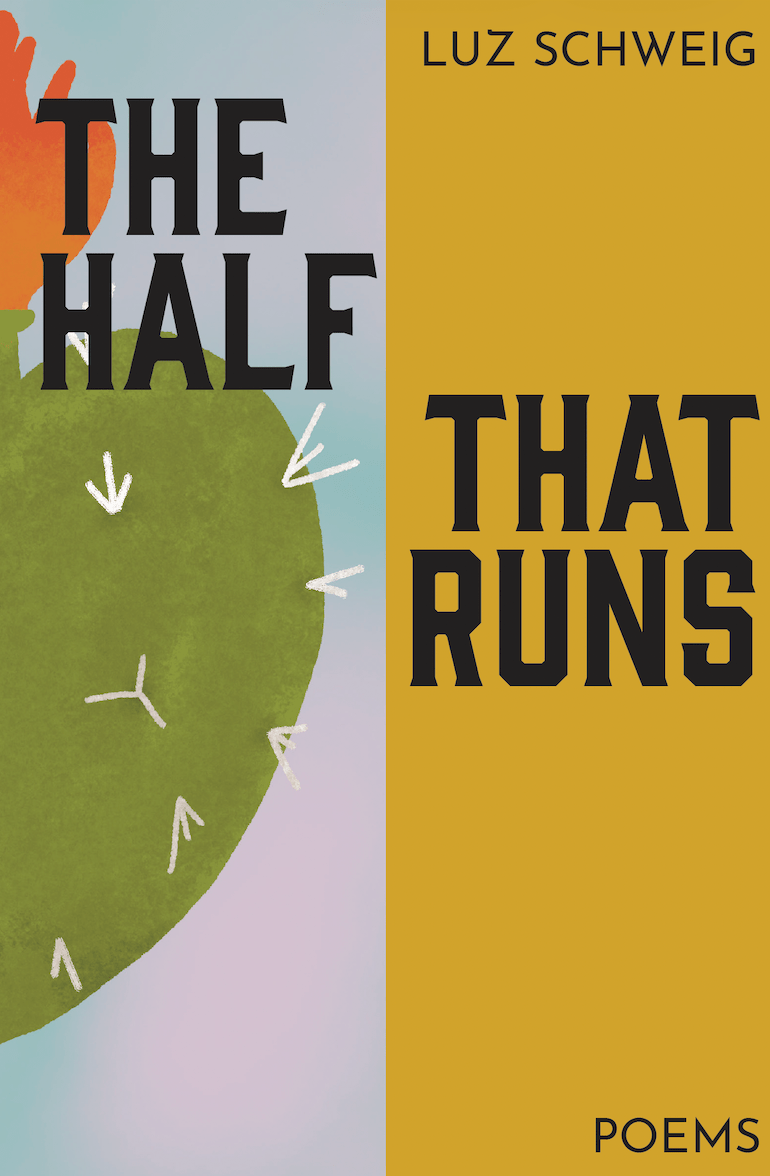
The Half That Runs by Luz Schweig
What if your memories had a geography—one that kept shifting under your feet like sand? Discover how The Half That Runs by Luz Schweig maps identity—read the full piece.
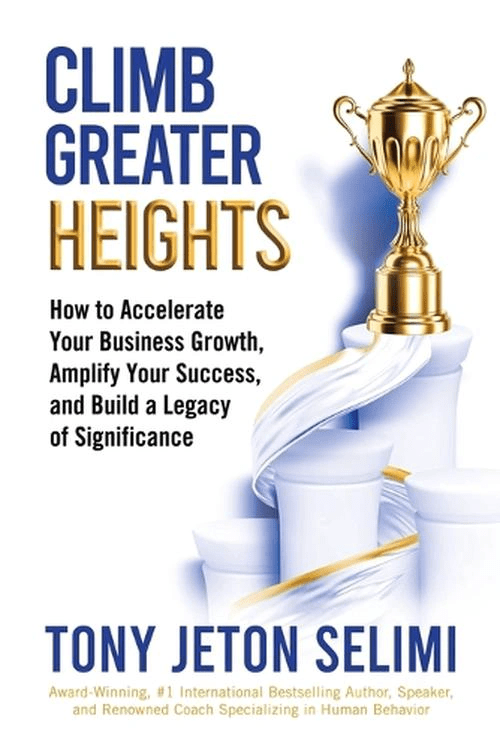
Book Review: Climb Greater Heights by Tony Jeton Selimi
What if your biggest business obstacle isn’t competition but something invisible within you? Discover the answer in Climb Greater Heights by Tony Jeton Selimi—read the full review to explore.

 OneTribune
