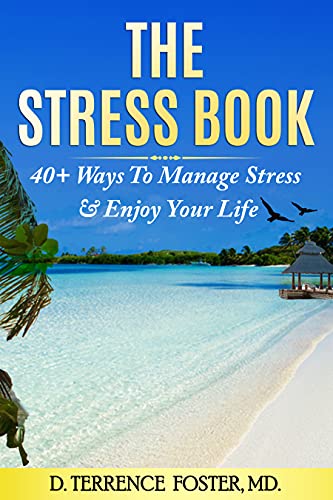
The Stress Book by Dr. D. Terrence Foster, M.D. doesn’t shout for attention. It doesn’t try to dazzle you with motivational jargon or lifestyle mantras. It does something far more unusual: it listens before it speaks.
This book feels less like a product and more like a pause. A deliberate one. The kind of pause that happens when someone finally asks, “Hey, are you okay?”—and actually waits for the answer.
Rather than positioning stress as the villain in your story, Dr. Foster approaches it like an old, misunderstood friend you stopped calling because the conversations got too heavy. He treats stress not as something to banish, but something to understand, decode, and work with. The book unfolds like a gentle excavation—layer by layer, question by question—until you begin to see that maybe what’s been making you anxious all this time isn’t just the pressure, but the absence of space to reflect.
That’s the secret strength of this book: it creates that space. It’s not a quick fix, and it doesn’t pretend to be. Instead, it invites you to slow down and notice how much of your daily stress comes from unfinished thoughts. Unvoiced grief. Unclear boundaries. Obligations you accepted without negotiation. Chapters on topics like setting daily goals, cutting toxic ties, or budgeting aren’t about productivity—they’re about presence. What happens when you pay full attention to what’s weighing you down?
Foster’s writing is clear, direct, and kind. Not poetic. Not lofty. Kind. He doesn’t oversimplify. He doesn’t condescend. He simply lays out what stress actually does to your body, your sleep, your relationships, and your ability to think clearly—and then gives you tools to begin untangling it. But the tone is never clinical. It’s human. He knows life is messy. He’s lived it too. And he’s not offering advice from a distance. He’s been in the thick of it—medicine, pain clinics, family obligations, pandemic-era exhaustion—and it shows in the book’s empathy.
What sets The Stress Book apart is that it doesn’t tell you to “be resilient.” It quietly asks what you’ve had to be resilient against—and whether you ever got a chance to rest.
This isn’t a book that tells you how to conquer stress. It’s one that shows you how to stop being at war with yourself. And maybe that’s the more radical message: you don’t need to fight harder. You need to listen sooner.
Not just to the stress—but to what it’s been trying to say.
Ink and Horizons Book Award

This book is a winner of the Ink and Horizons Book Award, an accolade dedicated to honoring books that explore the uncharted territories of human experience—stories that invite readers to journey beyond the familiar and engage with the universal themes that unite us all. Whether through vivid fiction, thought-provoking nonfiction, or evocative poetry, the award highlights works that embody the spirit of literary exploration.
We’d love to hear from you!
What are your thoughts on this piece? Share your insights in the comments below!
- What stood out to you most about this post?
- Have you read a book recently that relates to the themes discussed here?
- What’s your favorite takeaway or reflection from this write-up?
Let’s keep the conversation going—your thoughts make this space richer!
Disclaimer: The content on this site is provided for informational and inspirational purposes only. While we strive for accuracy, the views expressed in reviews, articles, and recommendations are subjective and may not reflect the opinions of all readers.
We receive complimentary copies of all books we review. However, this practice does not compromise the integrity or honesty of our reviews. Every write-up reflects the contributor’s genuine impressions and critical analysis, ensuring transparency and trust with our readers.
For a complete understanding of our practices, please refer to our full Disclaimer, Privacy Policy, and Terms of Service. These documents outline how we manage your information, ensure transparency, and uphold your rights as a user.
To request for a review, to nominate your favorite book for an award, or for more details about our awards, click here.
Other Stories

Reimagining Life Through Words and Service with Debra J. White
What happens when life’s hardest blows lead to unexpected purpose? Discover how Debra turned trauma, recovery, and rescued animals into writing and volunteer work that inspires resilience and connection.
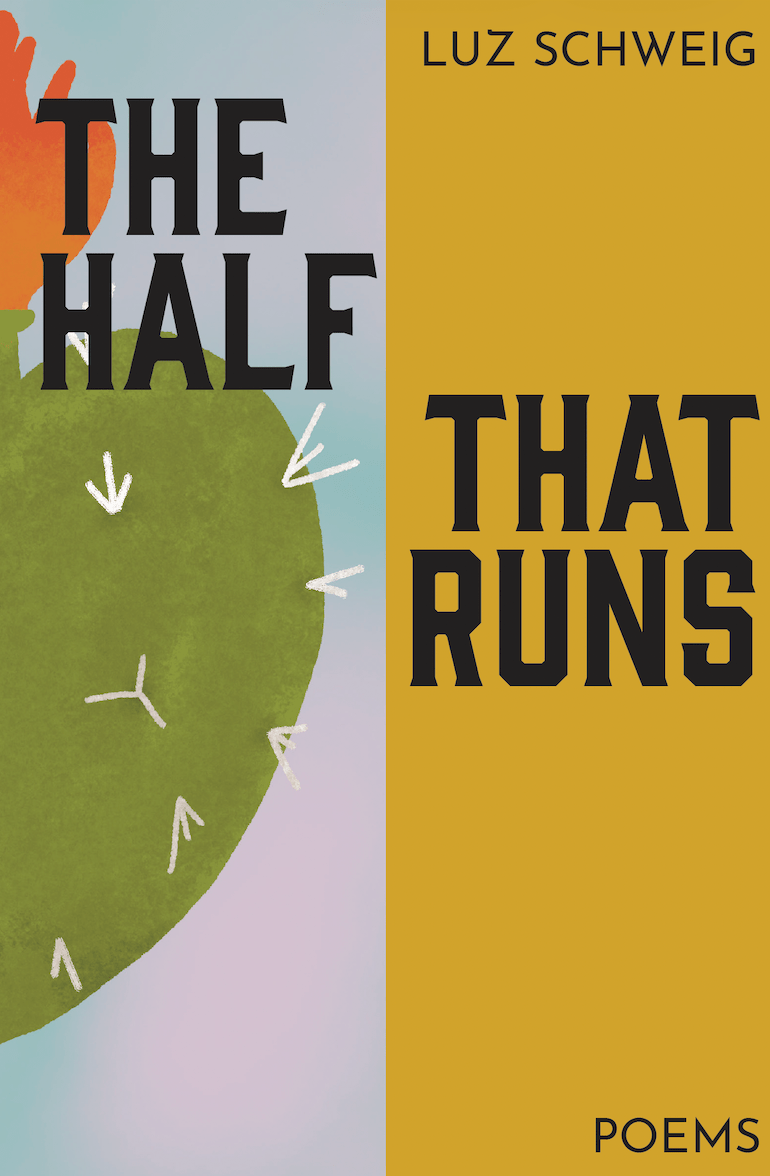
The Half That Runs by Luz Schweig
What if your memories had a geography—one that kept shifting under your feet like sand? Discover how The Half That Runs by Luz Schweig maps identity—read the full piece.
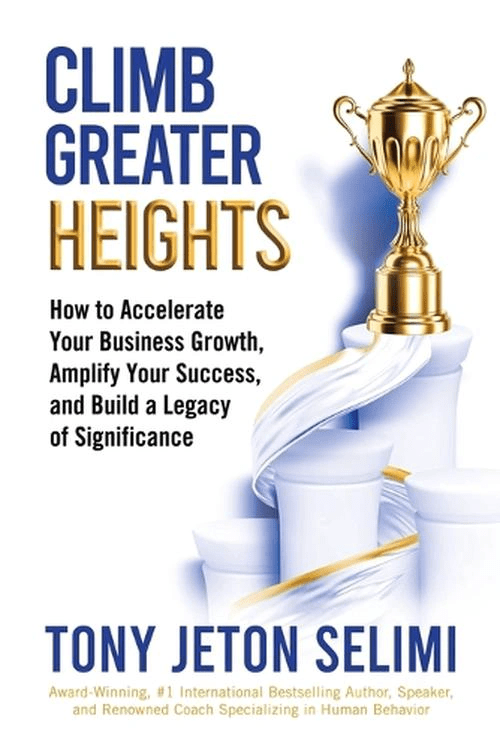
Book Review: Climb Greater Heights by Tony Jeton Selimi
What if your biggest business obstacle isn’t competition but something invisible within you? Discover the answer in Climb Greater Heights by Tony Jeton Selimi—read the full review to explore.

 OneTribune