Goodreads link: https://www.goodreads.com/book/show/62593969-the-spirituality-in-science
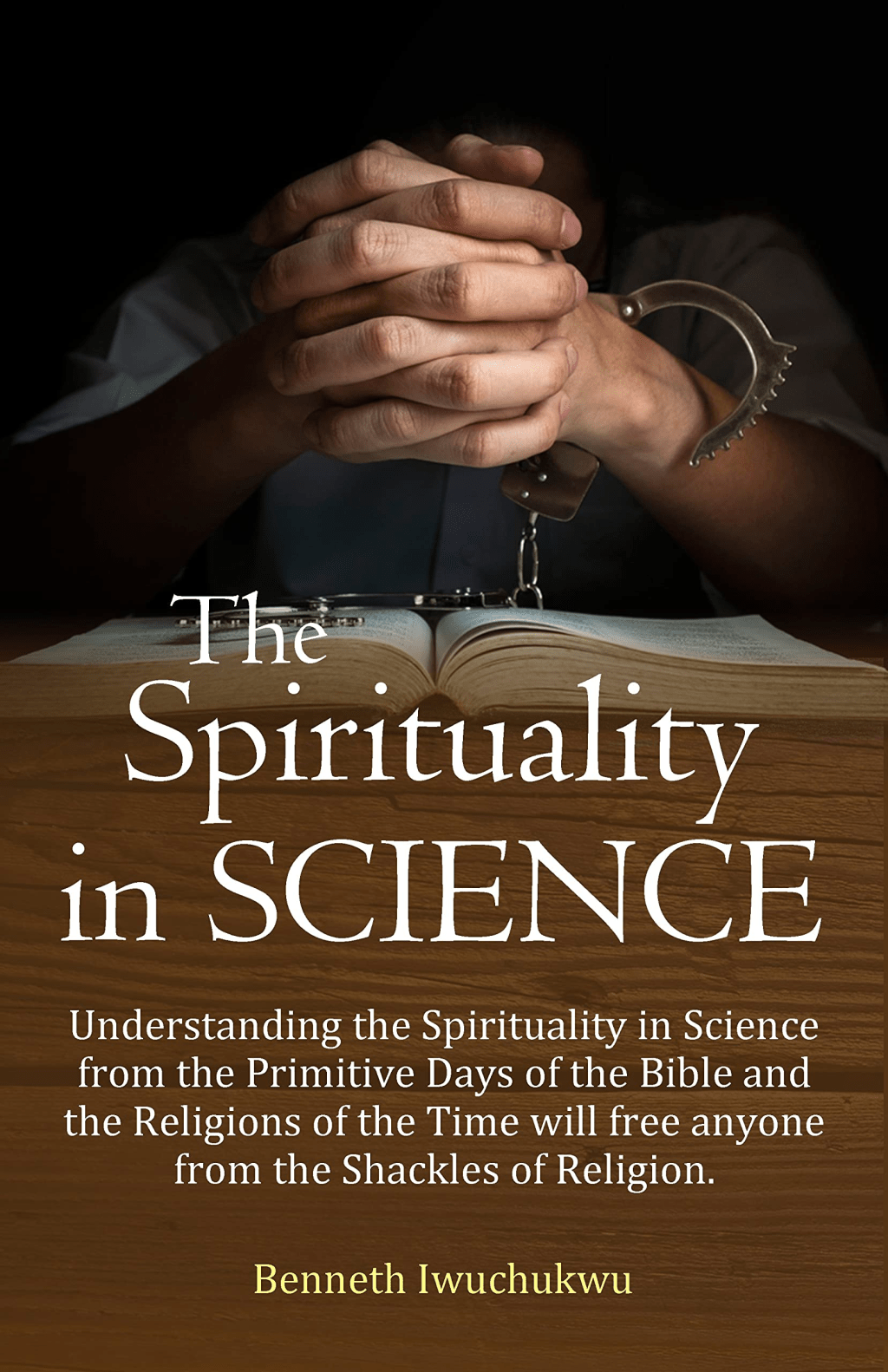
Benneth Iwuchukwu’s The Spirituality in SCIENCE is not your average bedside spirituality book. You won’t find candle rituals, chakra alignments, or ethereal parables here. What you will find is a head-on collision between age-old traditions and the silicon-chip pace of today’s technological world.
The premise? That the human brain—yes, your ordinary, overcaffeinated, multitasking brain—is not just important, but divine. It’s not just capable of surviving this world but of transforming it, overcoming death itself, and making traditional spirituality obsolete in the process.
If that sounds audacious, it is. But audacity is exactly what gives this book its strange, compelling edge.
🛠️ Engineering Godhood (With a Dash of Neuroscience)
Ever heard of the theory that humans only use about 10% of their brains? While that’s been largely debunked, the broader metaphor remains: we often underuse our cognitive potential. Iwuchukwu taps into this metaphor and runs with it—not toward wishful thinking, but toward deliberate cognition.
According to the book, true breakthroughs—like the polio vaccine, the printing press, and the Internet—are not miracles. They’re the result of thinking. And that kind of thinking, the author argues, is humanity’s most sacred responsibility.
Consider this: if you could ask a child to pray for a broken toy or hand them a screwdriver and some guidance, which teaches lasting value? The book is filled with such analogies and reflections that make you pause. It’s less about defiance and more about empowerment.
🔬 Science, Not Superstition: The Path to Immortality?
What if “miracles” were simply technologies we don’t yet understand? It’s a sentiment echoed by Arthur C. Clarke, and Iwuchukwu leans into it heavily. He doesn’t predict that humans might achieve immortality through science—he believes we must.
Here, the book turns into something resembling speculative science married with motivational philosophy. It’s not without controversy, but the message is clear: if we want to overcome the biggest challenges of our existence—sickness, ageing, even death—we need science, not superstition.
While the timelines (like immortality by the 30th century) stretch the imagination, the underlying call to action is rooted in real-world implications: innovation doesn’t come from hoping—it comes from doing, learning, and yes, thinking.
🧭 A New Moral Compass?
One of the most interesting contributions the book makes is the idea that love, when expressed through innovation and service to humanity, is a higher moral force than devotion, ritual, or passive hope.
Take the example of a business that employs thousands, or a researcher who finds a cure for a disease. Iwuchukwu argues these are not just acts of brilliance but acts of love—far more impactful than fasting or prayer circles. Whether you agree or not, it reframes moral worth in a way that feels deeply utilitarian, yet oddly compassionate.
This is where the book feels most “family friendly”—it celebrates the role of the parent who builds, the teacher who enlightens, the scientist who heals. It encourages youth to think critically, ask questions, and believe in the power of their own minds.
💡 Constructive Takeaways
- Critical Thinking is Essential: The book promotes asking questions over accepting dogma, and that’s something many educators and professionals would stand behind.
- Technology as a Moral Good: When used ethically, innovation isn’t just progress—it’s service.
- Responsibility Over Ritual: A shift from passive faith to active problem-solving reframes how we might raise children or govern communities.
🧩 Final Thoughts: Not Just a Book, but a Lens
The Spirituality in SCIENCE isn’t light reading. It doesn’t sit comfortably in any single genre—part manifesto, part reinterpretation of scripture, part futurist thought experiment. It’s certainly not for everyone. But it is a call to wake up—to think, to examine, and to create.
It challenges readers not to burn bridges with tradition, but to question which ones lead to actual destinations and which only loop back into comfort zones.
So if you’re the kind of reader who doesn’t mind removing your metaphorical “religion cap” in exchange for a “thinking cap,” as the author cheekily suggests, this book might just surprise you. Not with easy answers, but with better questions.
📌 Verdict:
A provocative, brain-first take on spirituality that challenges assumptions and reframes human destiny through the lens of science, responsibility, and intellectual self-awareness. Recommended for critical thinkers, curious skeptics, and aspiring changemakers.
⚠️ Content Warning
This book contains themes that critically challenge religion, spirituality, mysticism, and culturally held beliefs. It promotes a science-and-reason-first worldview and includes ideas that may not align with mainstream perspectives. Parental discretion is advised for younger readers.
Atlas of Stories Award
This book is a recipient of the Atlas of Stories Award, an accolade that celebrates works mapping the literary world with creativity and depth. Aligned with our mission of “Mapping the World Through Books,” this award honors stories that inspire, educate, and entertain while transcending cultural and imaginative borders. These remarkable narratives explore universal themes, fostering connection and understanding as they take readers on a journey through the richness of global storytelling.
We’d love to hear from you!
What are your thoughts on this piece? Share your insights in the comments below!
- What stood out to you most about this post?
- Have you read a book recently that relates to the themes discussed here?
- What’s your favorite takeaway or reflection from this write-up?
Let’s keep the conversation going—your thoughts make this space richer!
Disclaimer: The content on this site is provided for informational and inspirational purposes only. While we strive for accuracy, the views expressed in reviews, articles, and recommendations are subjective and may not reflect the opinions of all readers.
We receive complimentary copies of all books we review. However, this practice does not compromise the integrity or honesty of our reviews. Every write-up reflects the contributor’s genuine impressions and critical analysis, ensuring transparency and trust with our readers.
For a complete understanding of our practices, please refer to our full Disclaimer, Privacy Policy, and Terms of Service. These documents outline how we manage your information, ensure transparency, and uphold your rights as a user.
To request for a review, to nominate your favorite book for an award, or for more details about our awards, click here.
Other Stories

Reimagining Life Through Words and Service with Debra J. White
What happens when life’s hardest blows lead to unexpected purpose? Discover how Debra turned trauma, recovery, and rescued animals into writing and volunteer work that inspires resilience and connection.
The Half That Runs by Luz Schweig
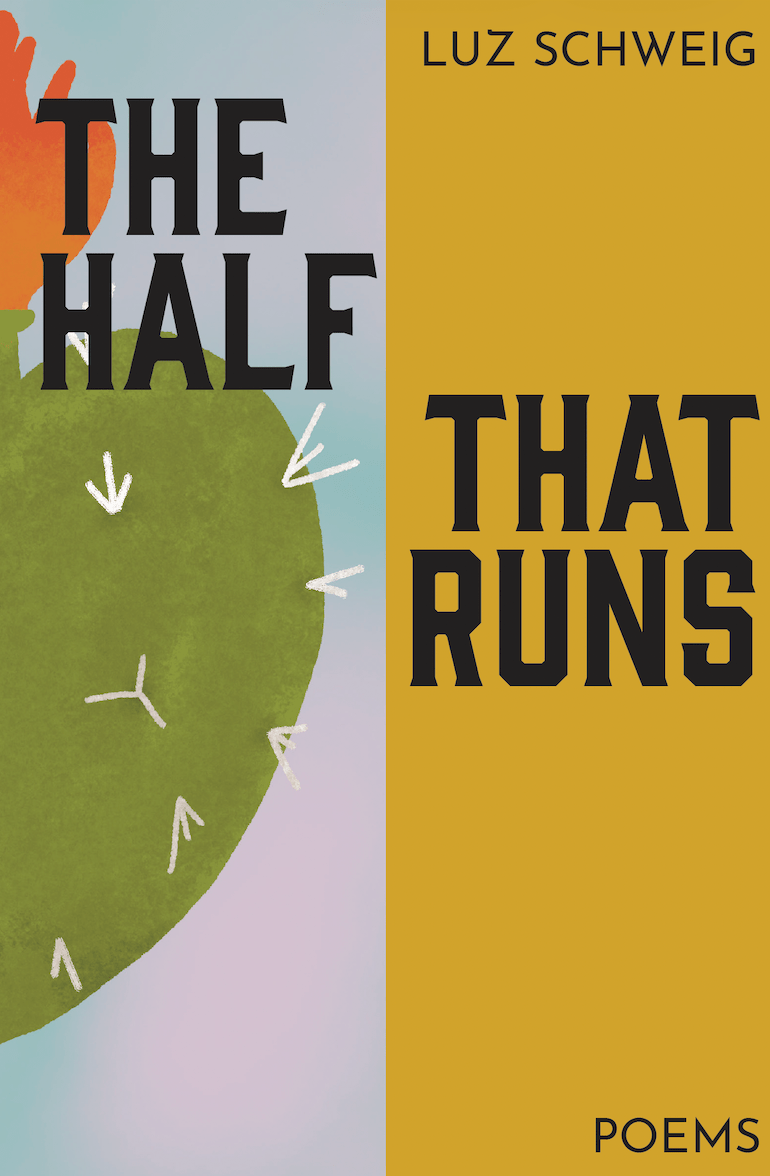
What if your memories had a geography—one that kept shifting under your feet like sand? Discover how The Half That Runs by Luz Schweig maps identity—read the full piece.
Book Review: Climb Greater Heights by Tony Jeton Selimi
What if your biggest business obstacle isn’t competition but something invisible within you? Discover the answer in Climb Greater Heights by Tony Jeton Selimi—read the full review to explore.

 OneTribune