
Genre: Literary Fiction
Subgenres: Stream-of-Consciousness, Illustrated Fiction, Family Life
Themes: Parental Decline, Memory, Death and Dignity, Caregiving, Emotional Processing, Dream and Reality
Content Warning:
This novel deals with aging, dementia, and end-of-life caregiving. While handled with care and subtlety, the emotional terrain may be intense for those currently coping with loss or anticipatory grief.
Review:
There’s something beautifully disorienting about reading The Journey Home. It doesn’t give you a map. It gives you a compass made of memory, emotion, color, and time—and asks you to trust it. The result is less like watching a story unfold and more like being inside a private constellation of thoughts, where the stars are moments both cherished and painful.
Gabriel Bron doesn’t write “about” memory—he writes as memory. His vignettes loop and drift, never pushing the reader toward a dramatic payoff or linear resolution. Instead, they mimic the real emotional work of caring for a dying parent: repetitive, unpredictable, and filled with small, almost imperceptible transformations. If you’ve ever sat at someone’s bedside wondering how to say everything without saying anything at all, you’ll recognize the silences in these pages.
The narrative orbits the central experience of watching both parents approach the end of their lives, beginning with the mother’s cognitive decline. But Bron does something remarkable—he never lets sorrow consume the story. Even in the darker moments, there’s room for humor, awkwardness, absurdity, even color. The full-page illustrations aren’t decorative; they are expressive bursts of what the mind sees when words fall short. They remind us that grief doesn’t always look like black and white—it can be surreal, vivid, and even beautiful.
What sets this book apart isn’t its plot (there isn’t one, not in the usual sense), but its emotional intelligence. It trusts the reader to make meaning without overexplaining. It’s like listening to an old record warped by heat: the songs are familiar, but they sound new, bent by time and distance.
And yet, this book isn’t just for those dealing with aging parents. It’s for anyone reflecting on where they’ve been and how far they’ve come—how the past echoes differently depending on the day. It’s for adult children, yes, but also for anyone who’s ever tried to piece together the puzzle of someone they love using fragments, feelings, and fading smells.
Readers looking for fast-moving plot or clear-cut conflict resolution may feel adrift. But for those willing to sit with ambiguity, repetition, and real emotional nuance, The Journey Home offers rare intimacy. It doesn’t just ask you to feel—it asks you to remember how feeling feels.
Gabriel Bron has written a novel that doesn’t try to impress. It tries to understand. And in doing so, it becomes something more than a book. It becomes a keepsake for anyone who has ever tried to say goodbye one memory at a time.
Narrative Voyager Award
This book is a winner of the Narrative Voyager Award, which recognizes the transformative power of storytelling. In a world filled with myriad voices and stories waiting to be discovered, this award highlights books that inspire empathy, challenge conventions, and foster connections across borders—be they physical, cultural, or emotional. By celebrating these stories, we hope to create a literary map where every reader can take on journeys of discovery, reflection, and growth.
We’d love to hear from you!
What are your thoughts on this piece? Share your insights in the comments below!
- What stood out to you most about this post?
- Have you read a book recently that relates to the themes discussed here?
- What’s your favorite takeaway or reflection from this write-up?
Let’s keep the conversation going—your thoughts make this space richer!
Disclaimer: The content on this site is provided for informational and inspirational purposes only. While we strive for accuracy, the views expressed in reviews, articles, and recommendations are subjective and may not reflect the opinions of all readers.
We receive complimentary copies of all books we review. However, this practice does not compromise the integrity or honesty of our reviews. Every write-up reflects the contributor’s genuine impressions and critical analysis, ensuring transparency and trust with our readers.
For a complete understanding of our practices, please refer to our full Disclaimer, Privacy Policy, and Terms of Service. These documents outline how we manage your information, ensure transparency, and uphold your rights as a user.
To request for a review, to nominate your favorite book for an award, or for more details about our awards, click here.
Other Stories

Reimagining Life Through Words and Service with Debra J. White
What happens when life’s hardest blows lead to unexpected purpose? Discover how Debra turned trauma, recovery, and rescued animals into writing and volunteer work that inspires resilience and connection.
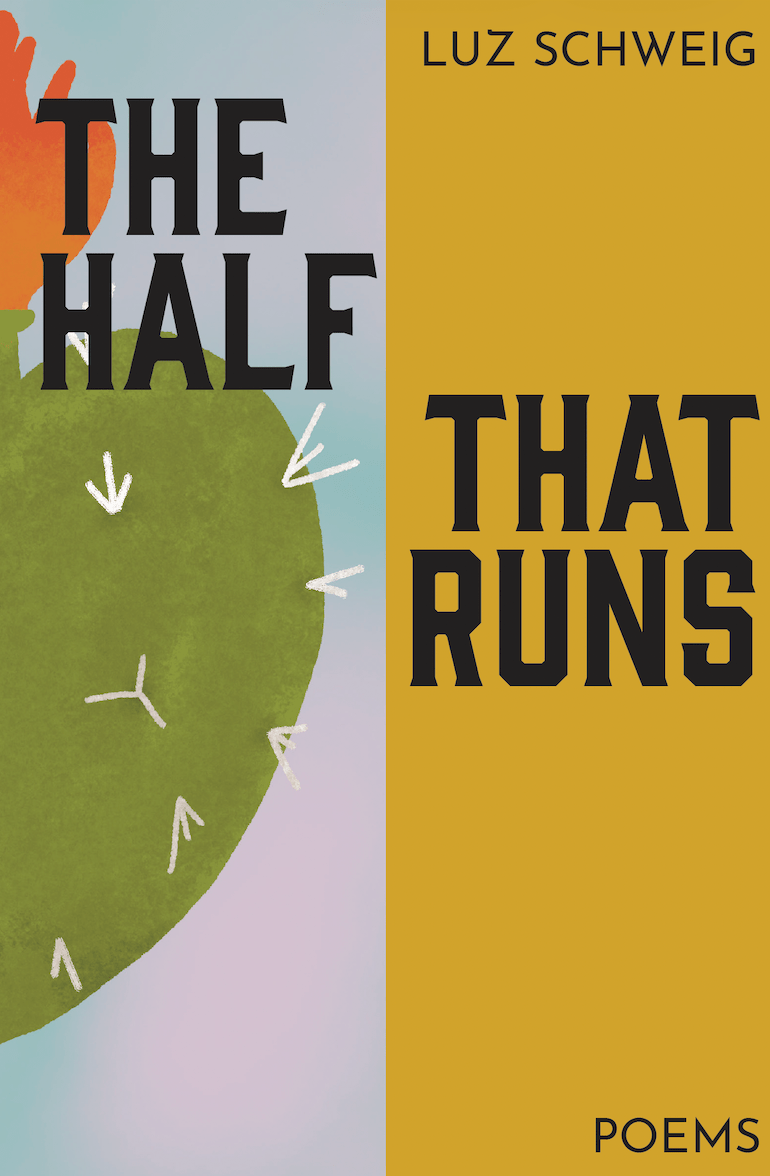
The Half That Runs by Luz Schweig
What if your memories had a geography—one that kept shifting under your feet like sand? Discover how The Half That Runs by Luz Schweig maps identity—read the full piece.
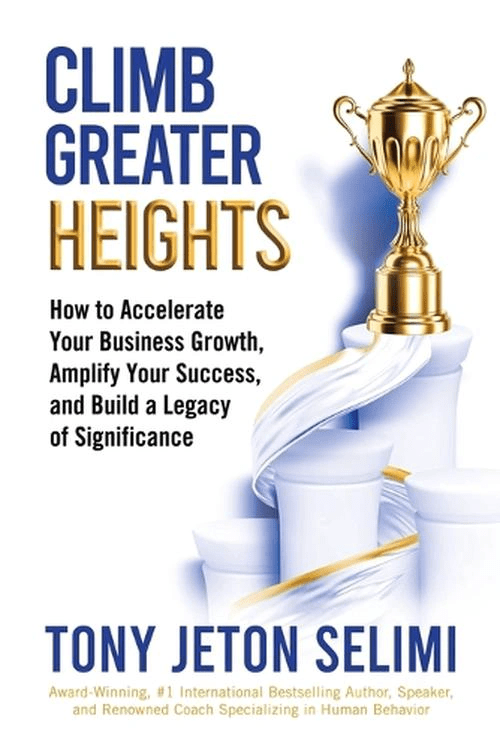
Book Review: Climb Greater Heights by Tony Jeton Selimi
What if your biggest business obstacle isn’t competition but something invisible within you? Discover the answer in Climb Greater Heights by Tony Jeton Selimi—read the full review to explore.

 OneTribune