
Genre: Memoir
Subgenres: Mental Health Narrative, Survivor Literature, Creative Nonfiction
Themes: Identity, Art as Resistance, Institutional Power, Isolation, Survival, Selfhood
Content Warning: Contains descriptions of self-harm, hallucinations, psychiatric hospitalization, and trauma that may be distressing to some readers.
You don’t read Mud Flower. You overhear it. You walk into the middle of a conversation between a human soul and the universe, and for once, you’re invited to stay.
Meghan J.M. Caughey’s memoir is not a testimony. It’s not even a conventional survival story. It’s a living, breathing artifact of experience—folded and refolded into language that sounds like the internal monologue of someone learning to speak truth in a world that never asked for it. The book doesn’t track progress; it maps dislocation. Time loops. Memory glitches. Geography becomes metaphysical. Hospitals become dream logic. Yet somehow, it is coherent in a way that sterile narratives of recovery never are.
If you’ve ever wondered what it’s like to lose access to the familiar architecture of the self—Caughey brings you close, not by telling you, but by letting you feel it. The writing swerves: intimate, then clinical; poetic, then pragmatic. The narrative is slippery, not as a literary trick, but because schizophrenia itself doesn’t play by linear rules. And that’s the gift: the form mirrors the mind it expresses.
Instead of villains and heroes, there are confusing human beings: some helpful, others helplessly harmful, and most—like the old psychiatrist with wild nose hairs—so absurd they become mythic. Even the “bad guys” are never caricatured. They’re part of the system, and the system here isn’t an institution; it’s reality itself, stretched thin.
What keeps the reader anchored is not plot but presence. Caughey’s presence. Her gaze. Her refusal to tidy up. Her art—both literal and narrative—is what makes Mud Flower more than a book. It’s a resistance movement disguised as personal reflection.
This book will not tell you how to “overcome” anything. It won’t give you bullet-pointed insight or closure tied in ribbon. It will hand you a slice of someone’s lived world, in fragments both beautiful and terrifying, and ask: What do you make of this?
And that’s why it matters.
This memoir isn’t just for those interested in mental health or psychology—it’s for anyone who’s ever felt undone, misnamed, or remade by forces they couldn’t explain. And for anyone who’s ever stared at the stars and heard something whisper back—not with answers, but with questions of its own.
This is not a self-help book. This is not a survival guide. This is an encounter.
And in that encounter, there is power.
Help is available
If you are experiencing overwhelming thoughts or emotions, or are worried about someone else, please know that support is available. The following information may be helpful to you:
1. When in Australia, here’s the information from health.gov.au:
In case of emergency, dial 000.
For immediate assistance, support is accessible 24/7 across Australia. Reach out to:
- Lifeline: 13 11 14
- Kids Helpline: 1800 55 1800
- Mental Health Crisis Assessment and Treatment Team in your state/territory
- Beyond Blue: 1300 224 636
For urgent care, visit the emergency department at your local hospital.
2. Here are other links for important contact details in countries across the globe compiled by Wikipedia:
Ink and Horizons Book Award
This book is a winner of the Ink and Horizons Book Award, an accolade dedicated to honoring books that explore the uncharted territories of human experience—stories that invite readers to journey beyond the familiar and engage with the universal themes that unite us all. Whether through vivid fiction, thought-provoking nonfiction, or evocative poetry, the award highlights works that embody the spirit of literary exploration.
We’d love to hear from you!
What are your thoughts on this piece? Share your insights in the comments below!
- What stood out to you most about this post?
- Have you read a book recently that relates to the themes discussed here?
- What’s your favorite takeaway or reflection from this write-up?
Let’s keep the conversation going—your thoughts make this space richer!
Disclaimer: The content on this site is provided for informational and inspirational purposes only. While we strive for accuracy, the views expressed in reviews, articles, and recommendations are subjective and may not reflect the opinions of all readers.
We receive complimentary copies of all books we review. However, this practice does not compromise the integrity or honesty of our reviews. Every write-up reflects the contributor’s genuine impressions and critical analysis, ensuring transparency and trust with our readers.
For a complete understanding of our practices, please refer to our full Disclaimer, Privacy Policy, and Terms of Service. These documents outline how we manage your information, ensure transparency, and uphold your rights as a user.
To request for a review, to nominate your favorite book for an award, or for more details about our awards, click here.
Other Stories
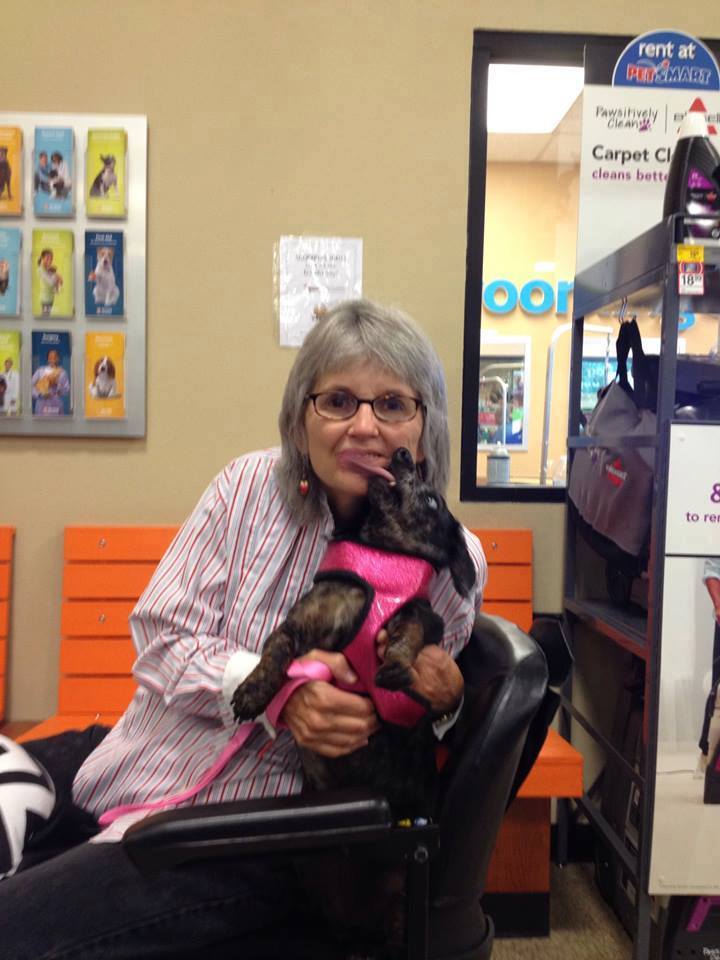
Reimagining Life Through Words and Service with Debra J. White
What happens when life’s hardest blows lead to unexpected purpose? Discover how Debra turned trauma, recovery, and rescued animals into writing and volunteer work that inspires resilience and connection.
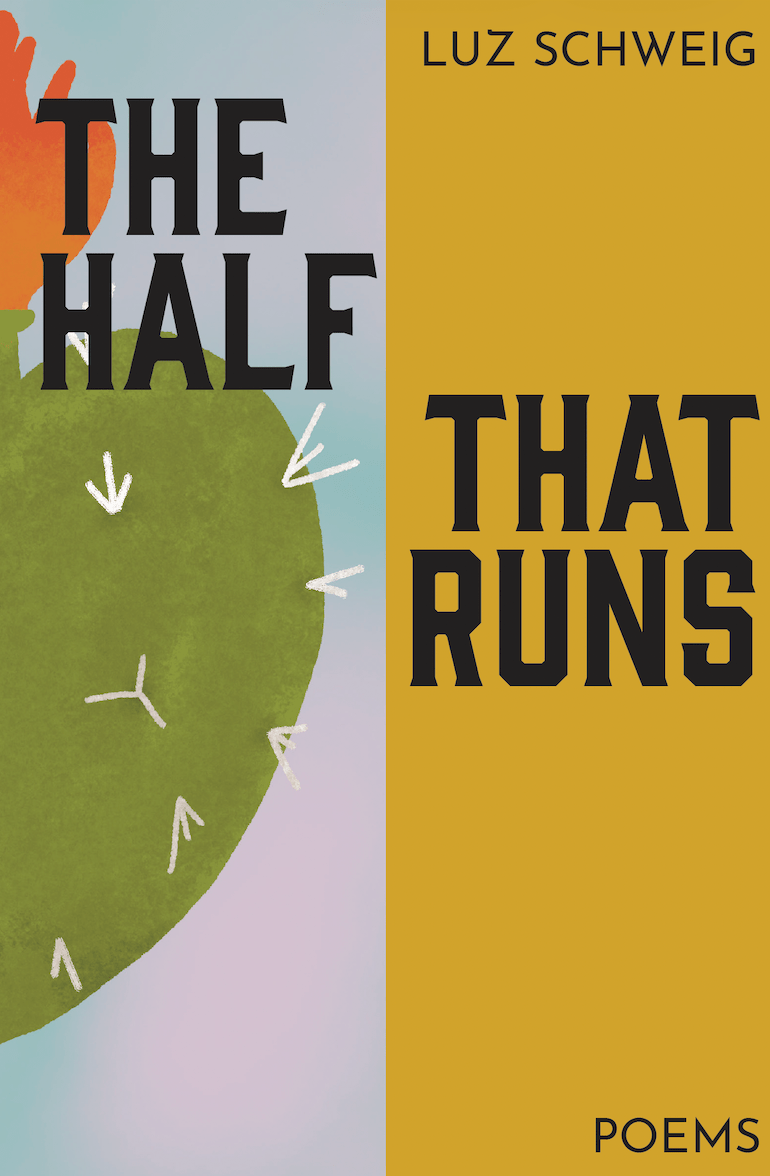
The Half That Runs by Luz Schweig
What if your memories had a geography—one that kept shifting under your feet like sand? Discover how The Half That Runs by Luz Schweig maps identity—read the full piece.
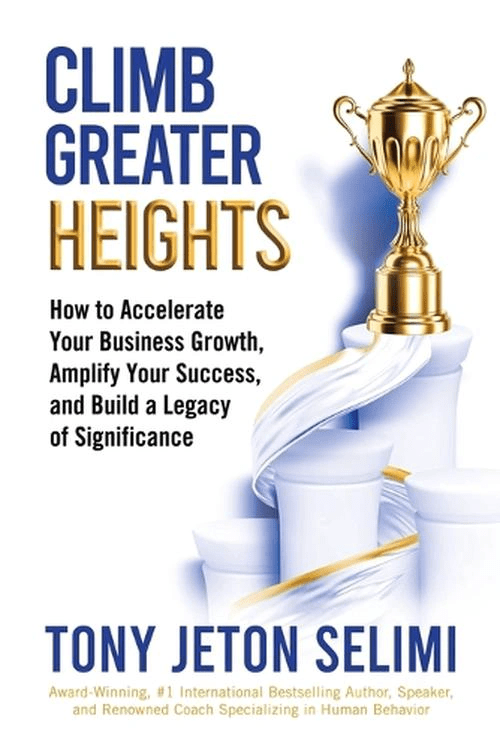
Book Review: Climb Greater Heights by Tony Jeton Selimi
What if your biggest business obstacle isn’t competition but something invisible within you? Discover the answer in Climb Greater Heights by Tony Jeton Selimi—read the full review to explore.

 OneTribune