
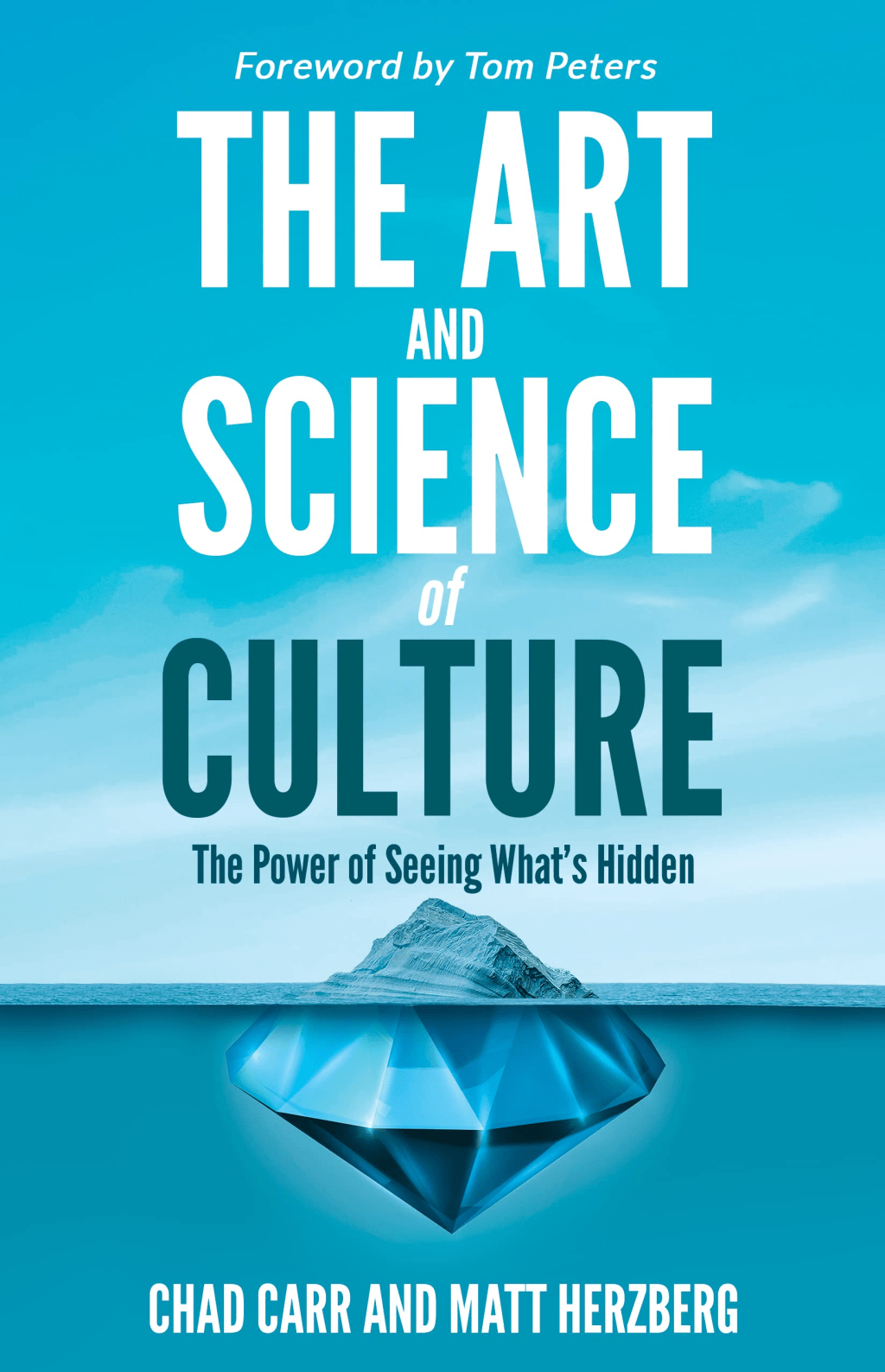
Genre: Business & Leadership
Subgenres: Organizational Psychology, Change Management, Behavioral Science
Themes: Culture transformation, unconscious patterns, leadership presence, internal alignment, neuroscience of behavior
Content Warning: None required
Review:
If you’ve ever worked in a place where meetings feel like reruns of the same unresolved issues, where “collaboration” means long email threads and silent eye-rolls, The Art and Science of Culture will make you feel very, very seen. But not in a “you’ve been doing everything wrong” kind of way. More like a “your brain’s wiring might be part of the problem—and that’s fixable” way.
Carr and Herzberg don’t write like consultants trying to sell a proprietary method. Instead, they come across like two anthropologists who accidentally wandered into a boardroom and realized that modern organizations are functioning tribes with predictable behaviors—some of them helpful, some of them quietly wrecking multimillion-dollar strategies.
Their central argument is disarmingly simple: culture is less about slogans and more about how people think. Not what they say they think. What their neurons do on autopilot. Through frameworks that blend emerging neuroscience with decades of experience, they show how these invisible habits of thought are often the culprits behind resistance, stagnation, and even well-intentioned failure. If this sounds abstract, it isn’t. In fact, one of the book’s great strengths is how tactile and physical it makes culture feel—down to the pathways in the brain and the chemicals that flood when someone hears the phrase “mandatory team-building.”
The most quietly revolutionary idea here is that transformation doesn’t begin with incentives, charters, or systems—it begins when someone notices. Not fixes. Not forces. Just notices. And that’s what this book trains you to do. Whether it’s seeing how employees freeze in fear not because they’re lazy, but because their amygdala got tripped by a tone-deaf announcement; or how a meeting room layout can subtly reinforce hierarchy—this book turns the mundane into mirrors.
Interestingly, some of the most powerful stories aren’t about big wins but about face-plants. A tech firm that tried to go agile without rewiring its reward system. A retailer that torpedoed a half-billion-dollar software launch because its cultural default was “don’t upset the merchants.” These are not just anecdotes—they’re warnings. And the fact that the authors include them speaks volumes about their credibility.
This book is not a listicle. It won’t tell you what to say in your next town hall. It will, however, help you understand why your team zones out during that town hall, and what that might signal about your culture’s hidden rules. In that sense, it’s less a toolkit and more a lens. If you’re looking for step-by-step, look elsewhere. But if you want the kind of awareness that makes the steps actually work, this book is it.
It’s worth noting that The Art and Science of Culture is unusually gentle in tone. There’s no fear-mongering, no us-vs-them framing. The authors seem genuinely curious about why people do what they do at work—and that curiosity becomes contagious. You don’t finish this book feeling preached at. You finish it wanting to observe more, judge less, and maybe, just maybe, choose your next action with a bit more intention.
This is not a book for those who demand instant ROI from every page. It’s for those who suspect that the real work of leadership isn’t changing others—it’s learning to see them (and yourself) more clearly. Which, when you think about it, might be the most practical skill of all.
Top Tier Book Award

At Top Tier Books, we don’t just recommend good books—we spotlight the best. The Top Tier Book Award is our highest recognition, given to standout titles that exemplify exceptional storytelling, powerful themes, and enduring impact. These are the books that go beyond the page, leaving an imprint on readers and the literary world alike.
We’d love to hear from you!
What are your thoughts on this piece? Share your insights in the comments below!
- What stood out to you most about this post?
- Have you read a book recently that relates to the themes discussed here?
- What’s your favorite takeaway or reflection from this write-up?
Let’s keep the conversation going—your thoughts make this space richer!
Disclaimer: The content on this site is provided for informational and inspirational purposes only. While we strive for accuracy, the views expressed in reviews, articles, and recommendations are subjective and may not reflect the opinions of all readers.
We receive complimentary copies of all books we review. However, this practice does not compromise the integrity or honesty of our reviews. Every write-up reflects the contributor’s genuine impressions and critical analysis, ensuring transparency and trust with our readers.
For a complete understanding of our practices, please refer to our full Disclaimer, Privacy Policy, and Terms of Service. These documents outline how we manage your information, ensure transparency, and uphold your rights as a user.
To request for a review, to nominate your favorite book for an award, or for more details about our awards, click here.
Other Stories

Reimagining Life Through Words and Service with Debra J. White
What happens when life’s hardest blows lead to unexpected purpose? Discover how Debra turned trauma, recovery, and rescued animals into writing and volunteer work that inspires resilience and connection.
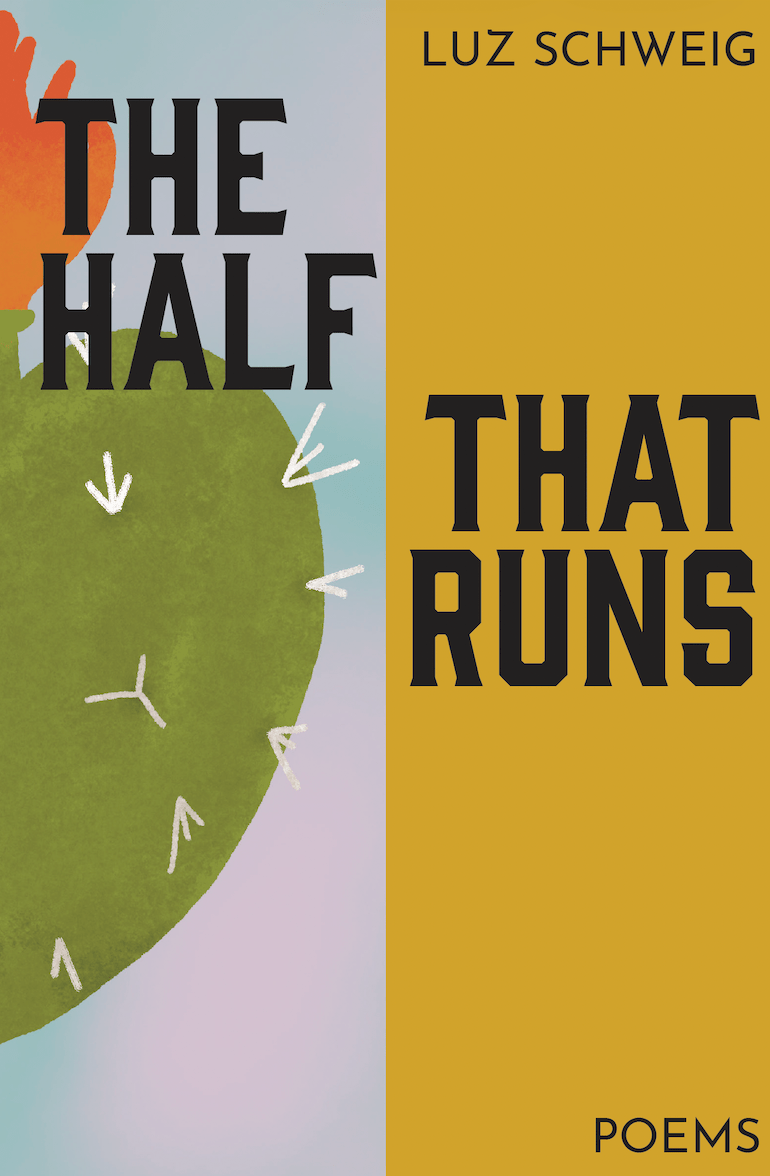
The Half That Runs by Luz Schweig
What if your memories had a geography—one that kept shifting under your feet like sand? Discover how The Half That Runs by Luz Schweig maps identity—read the full piece.
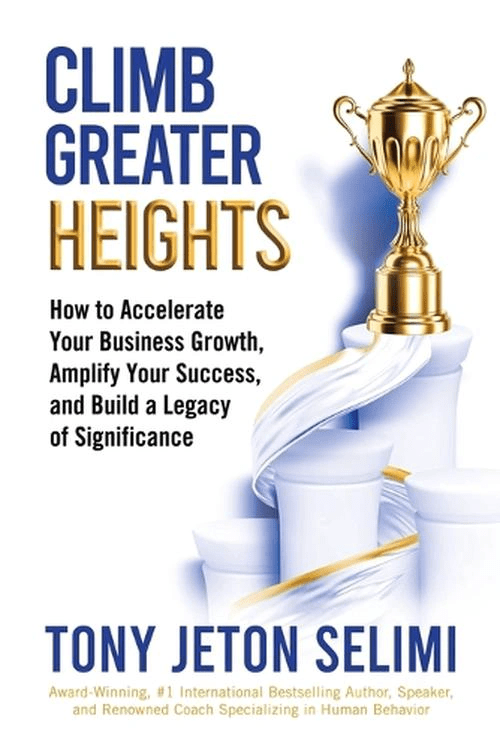
Book Review: Climb Greater Heights by Tony Jeton Selimi
What if your biggest business obstacle isn’t competition but something invisible within you? Discover the answer in Climb Greater Heights by Tony Jeton Selimi—read the full review to explore.

 OneTribune