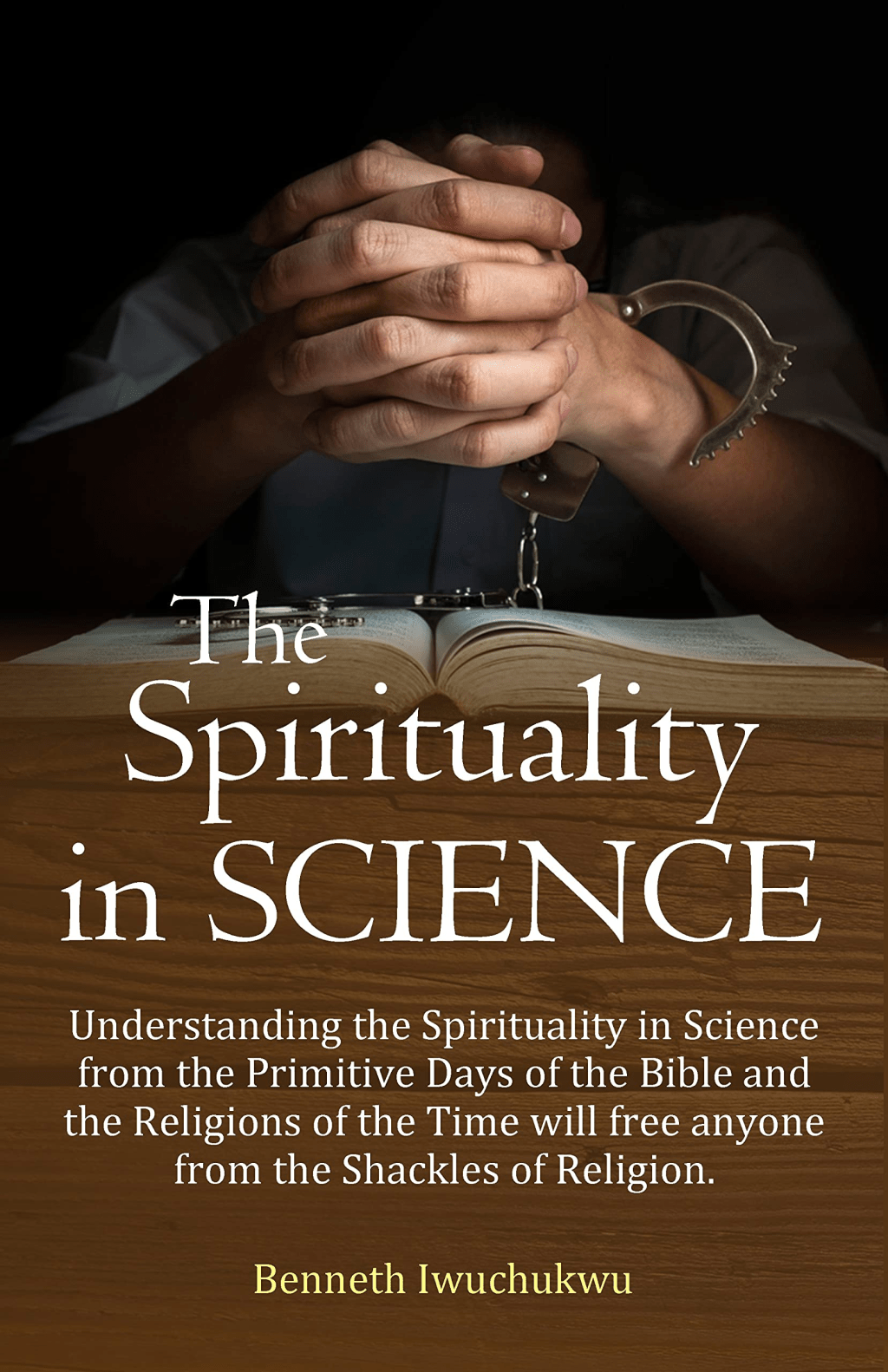
Goodreads link: https://www.goodreads.com/book/show/62593969-the-spirituality-in-science
Imagine a courtroom. At the defense table: centuries of belief systems, sacred texts, rituals passed down like heirlooms. At the prosecution bench: one book, defiant and unsmiling—The Spirituality in Science. If books could wear suits, this one would stride in wearing a lab coat, carrying blueprints, and wielding a wrecking ball instead of a gavel.
Benneth Iwuchukwu’s work does not whisper or invite. It kicks open the door of metaphysical inquiry and demands to know why, after millennia of collective faith, humanity is still dying, still suffering, still circling the same philosophical drain. This book doesn’t want to convert—it wants to reboot the system. With the fervour of a revolutionary and the certainty of a schematics engineer, Iwuchukwu unrolls a thesis that replaces prayer with programming, worship with research, and miracles with advanced science we just haven’t caught up to yet.
Calling spirituality a hoax is a bold start. But it’s only the entry point. The real spine of this book is the belief that we’ve misread the instructions for human development. Iwuchukwu asserts that the tools for becoming gods are already in our possession—mainly, the human brain and science. If that sounds like techno-utopianism, it is, but stripped of the usual polish. There are no sleek Silicon Valley slogans here. Instead, there’s fire: a conviction that belief in unseen forces is a form of voluntary stagnation, and that knowledge—not hope—is the highest form of love.
Reading this book feels less like absorbing information and more like being confronted by it. The style? At times like a manifesto, other times like a philosophical monologue delivered in a world where the last candle of mysticism just burned out. It’s not an easy ride. You’re not coddled. There’s no hand-holding through the implications. You’re either with it or bristling against it, but rarely indifferent. It challenges the reader not only to consider if humanity can live without religion, but to consider whether we’ve already outgrown it and are just afraid to admit it.
But here’s where it gets truly unconventional: this book isn’t interested in making science palatable to the spiritual. It doesn’t try to reconcile or compromise. It draws a line and dares you to cross it. That refusal to soften its stance is, paradoxically, what makes it intellectually refreshing. It’s not afraid to be unpopular. It takes swings at sacred cows. It doesn’t apologize for being heretical. And that’s rare.
It’s not flawless. At times, it leans hard into assertion over persuasion. Some claims demand a more robust framework of evidence. And yet, those imperfections might be part of the point. This book isn’t trying to convince by gentle logic; it’s trying to provoke by disruption. It’s not a candle in the dark. It’s a lightning bolt aimed at the foundation.
So what happens after you read it? Maybe you argue with it. Maybe you underline passages and mutter counterpoints. Maybe you Google the names dropped and the concepts claimed. But more importantly, maybe you think about your own belief system—and whether it’s one you chose or inherited. In a world that prizes comfort and certainty, The Spirituality in Science offers neither. What it offers is a dare: that maybe the divine isn’t in the heavens, but waiting in our own circuitry.
This is not for the passive reader, and not interested in mass appeal. It is a book with a sharp edge, and it’s not afraid to draw blood. But sometimes, transformation starts with a cut.
Global Spines Book Award

This book is a winner of the Global Spines Book Award, which honors exceptional works of literature that transcend borders and speak to universal human experiences. This award celebrates stories that connect readers across the globe, offering fresh perspectives and exploring the richness of cultural diversity. Each winning book reflects the spirit of Global Spines—stories that bridge gaps, foster understanding, and resonate with readers from all walks of life. By recognizing these powerful narratives, we aim to inspire deeper connections and celebrate the power of global storytelling.
We’d love to hear from you!
What are your thoughts on this piece? Share your insights in the comments below!
- What stood out to you most about this post?
- Have you read a book recently that relates to the themes discussed here?
- What’s your favorite takeaway or reflection from this write-up?
Let’s keep the conversation going—your thoughts make this space richer!
Disclaimer: The content on this site is provided for informational and inspirational purposes only. While we strive for accuracy, the views expressed in reviews, articles, and recommendations are subjective and may not reflect the opinions of all readers.
We receive complimentary copies of all books we review. However, this practice does not compromise the integrity or honesty of our reviews. Every write-up reflects the contributor’s genuine impressions and critical analysis, ensuring transparency and trust with our readers.
For a complete understanding of our practices, please refer to our full Disclaimer, Privacy Policy, and Terms of Service. These documents outline how we manage your information, ensure transparency, and uphold your rights as a user.
To request for a review, to nominate your favorite book for an award, or for more details about our awards, click here.
Other Stories
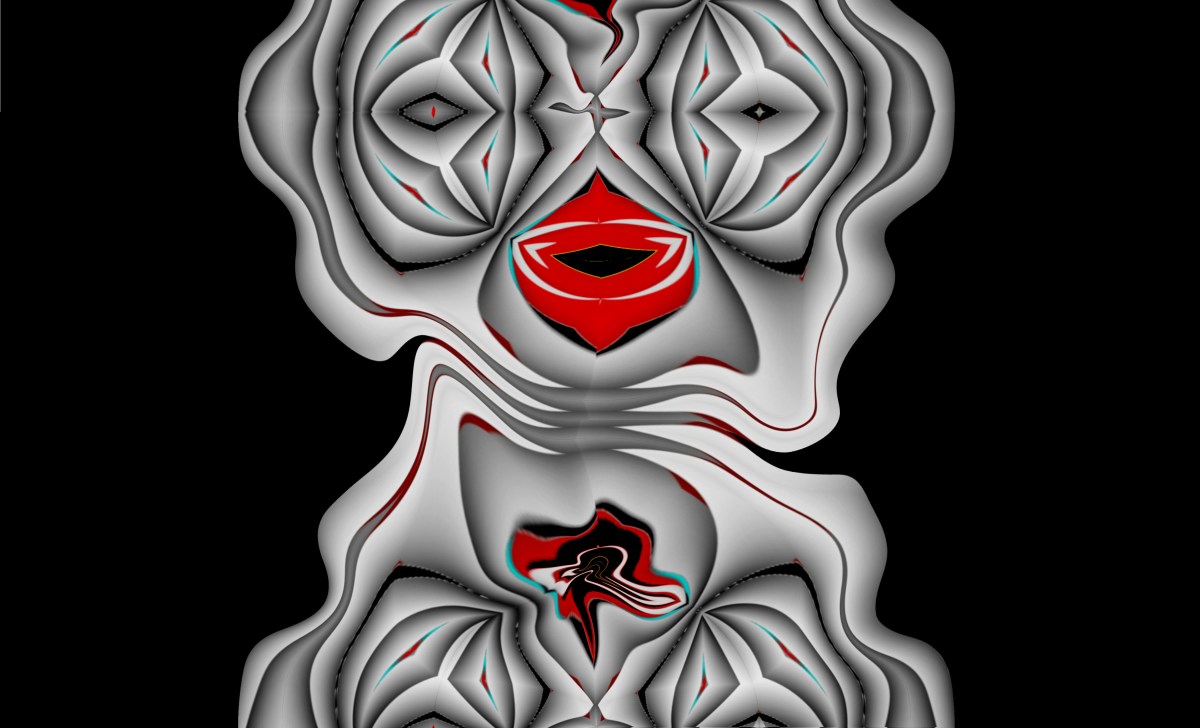
Grieving Ic by Edward Michael Supranowicz
What does a feeling look like when it turns symmetrical? Spend time with Edward Michael Supranowicz’s artwork, let its forms speak, and discover meaning by lingering with the image quietly.

Book Review: The Stress Book by Dr. D. Terrence Foster
If an octopus could text, juggle, cook, plan a future, soothe trauma, and still feel behind—would it read The Stress Book? You’ll find out why that’s relevant as you read on.

Once A King, Now A Prince by Ira Blacker
What happens when imagination becomes a survival skill instead of a pastime? Once A King, Now A Prince by Ira Blacker reveals the answer—if you’re willing to follow the journey.

 OneTribune