
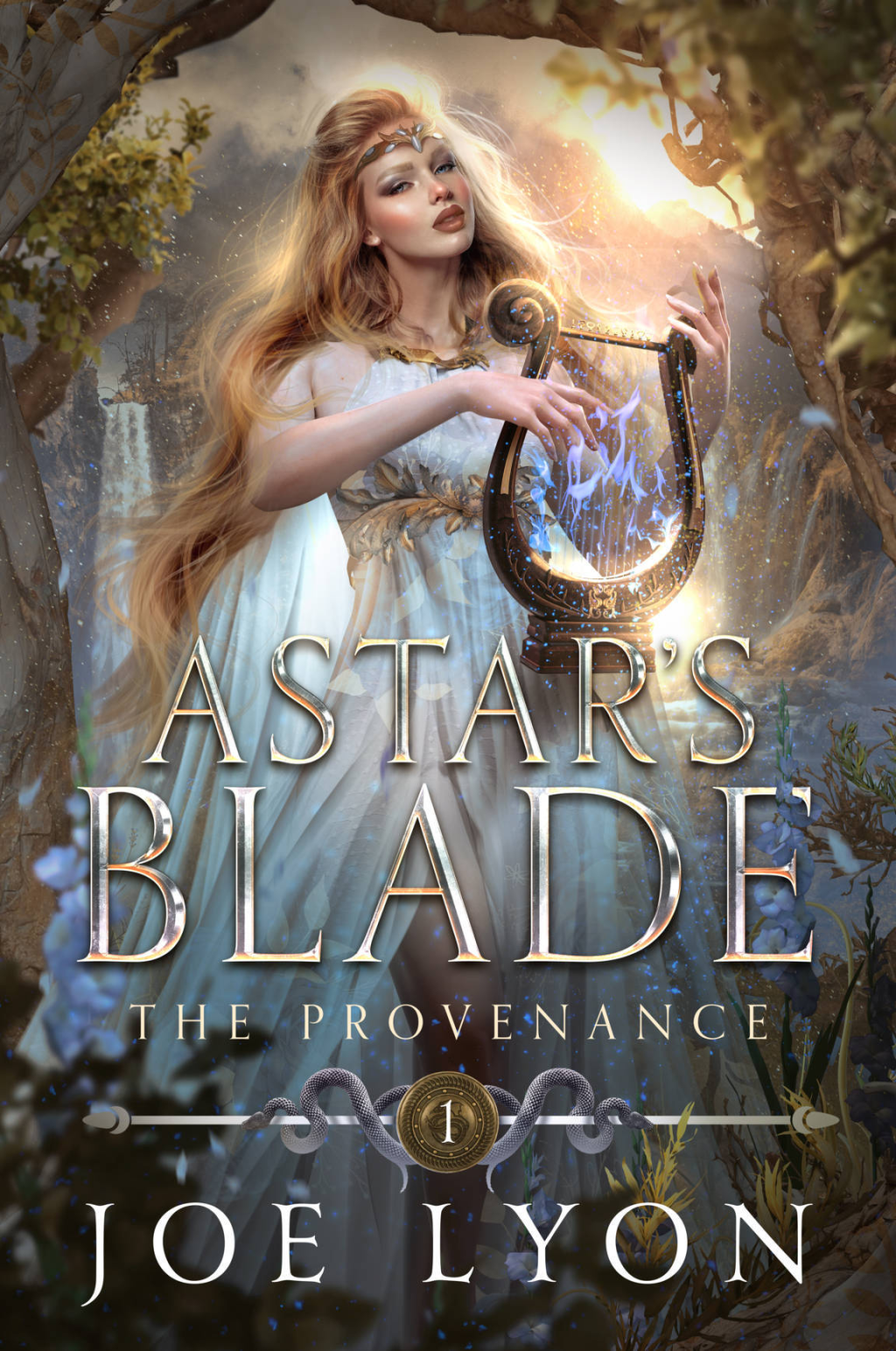
What if your inheritance wasn’t money or land, but a ghost—and a map drawn in grief? Joe Lyon’s The Provenance answers this question through a sweeping epic told across generations, gods, and mountains that seem to move with memory itself.
From its first pages, the book draws readers into a world that feels more remembered than invented. Two storylines unfold—one personal and grounded, the other mythic and world-defining. In one, a son buries his father beneath a white oak. In the other, the gods sculpt mountain ranges by hand and baptize civilizations in the blood of stars. Somehow, they belong to the same world, and eventually, to the same journey.
Science tells us that grief can cause hallucinations, that people under emotional strain often “see” the recently departed. But what if those visions had purpose—coordinates, even? The Provenance doesn’t ask you to believe in ghosts. It asks you to consider what it would mean if grief itself was a summons—something to follow into the mountains.
World-Building That Breathes
Rather than dump lore, Lyon sows it through song lyrics, folklore, and character memory. The mythology feels organic, as though passed through generations rather than conceived on a laptop. There are gods with thunderous personalities and mortals with quietly seismic burdens. There are family legacies passed not through inheritance, but through longing.
Fans of The Silmarillion, The Earthsea Cycle, or The Inheritance Trilogy will find this style familiar. But Lyon’s prose leans more toward cinematic flow than high literary ornament. Think Tolkien with modern pacing and a bit more grit.
The People Within the Pages
Almon Plum-Kilmer, the protagonist, is no sword-wielding chosen one. He is a son—raw, exhausted, and disoriented—tasked with honoring a legacy he’s not sure he wants. There’s something deeply human about watching him grieve not just his father’s death, but the life he thought he was building.
The book’s emotional power lies in its quiet moments: a father’s last wish, a crypt heavy with silence, a drink shared in a dim tavern between friends who know what’s been lost but won’t speak it. And in contrast, there are the gods, luminous and terrifying, who manipulate terrain like artists sculpting clay. Together, these layers form a world that is both cosmic and close.
Who It’s For—and Who It’s Not
Great for readers who:
- Love myth-rich fantasy with dual timelines and cosmic scope
- Appreciate character-driven stories grounded in emotional realism
- Want a clean but layered read suitable for teens and adults alike
- Enjoy subtle world-building over exposition
May not suit readers who:
- Want fast-paced action from page one
- Prefer romance or modern urban settings in their fantasy
- Dislike nonlinear timelines or large glossaries
Pure Perfection Book Award
The Pure Perfection Book Award recognises books that embody the transformative essence of literature—works that reflect clarity, compassion, and craftsmanship. Whether through moving fiction, insightful nonfiction, resonant poetry, or vibrant youth literature, this award celebrates books that contribute positively to readers’ lives and encourage reflection, growth, and empathy.
We’d love to hear from you!
What are your thoughts on this piece? Share your insights in the comments below!
- What stood out to you most about this post?
- Have you read a book recently that relates to the themes discussed here?
- What’s your favorite takeaway or reflection from this write-up?
Let’s keep the conversation going—your thoughts make this space richer!
Disclaimer: The content on this site is provided for informational and inspirational purposes only. While we strive for accuracy, the views expressed in reviews, articles, and recommendations are subjective and may not reflect the opinions of all readers.
We receive complimentary copies of all books we review. However, this practice does not compromise the integrity or honesty of our reviews. Every write-up reflects the contributor’s genuine impressions and critical analysis, ensuring transparency and trust with our readers.
For a complete understanding of our practices, please refer to our full Disclaimer, Privacy Policy, and Terms of Service. These documents outline how we manage your information, ensure transparency, and uphold your rights as a user.
To request for a review, to nominate your favorite book for an award, or for more details about our awards, click here.
Other Stories

Reimagining Life Through Words and Service with Debra J. White
What happens when life’s hardest blows lead to unexpected purpose? Discover how Debra turned trauma, recovery, and rescued animals into writing and volunteer work that inspires resilience and connection.
The Half That Runs by Luz Schweig
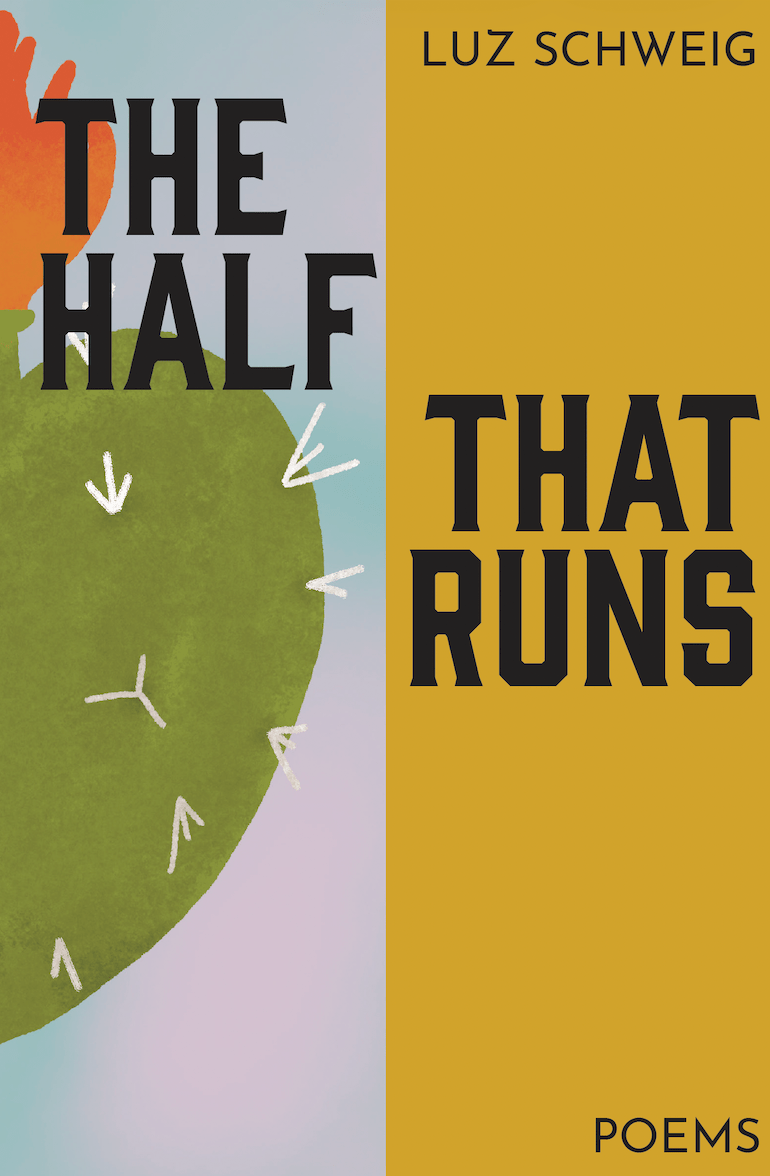
What if your memories had a geography—one that kept shifting under your feet like sand? Discover how The Half That Runs by Luz Schweig maps identity—read the full piece.
Book Review: Climb Greater Heights by Tony Jeton Selimi
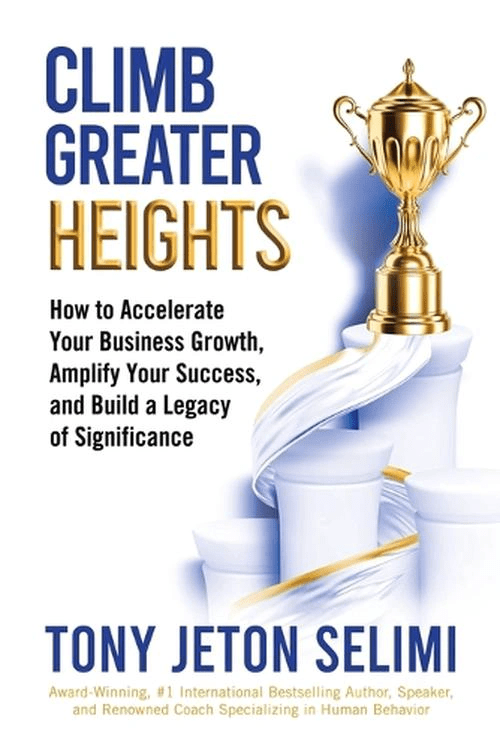
What if your biggest business obstacle isn’t competition but something invisible within you? Discover the answer in Climb Greater Heights by Tony Jeton Selimi—read the full review to explore.

 OneTribune
