
There are novels that unfold like puzzles, and then there are novels like Holy Parrot, which unfold like waves—coming back again and again with deepening clarity, each one reshaping the sand beneath your feet.
Set in the coastal village of Buritaca, Colombia, Holy Parrot tells the story of Leonard, an Australian science student on a research assignment to study longevity in the region. What begins as a genetic investigation into why the villagers live longer than average soon veers into unfamiliar territory when he meets Maria, a 16-year-old girl who claims she’s pregnant—and that a parrot named Gabriel told her she would be the mother of a divine child.
Yes, it’s a striking premise. But Angel A doesn’t treat it like a gimmick.
Instead, the novel is deeply grounded—anchored in the lived textures of a fishing village, the silence between family members, the awkward kindness of strangers, and the power of belief to transform not just communities, but biology itself.
A Quietly Bold Premise
What makes Holy Parrot work is not whether Maria’s claim is true. That’s not the novel’s concern. The real tension lies in how people respond to her: with skepticism, reverence, exploitation, protection, confusion, and—most importantly—care.
Maria is neither miracle nor martyr. She is, simply and complexly, a young girl. Sharp, funny, afraid, and stubborn. The author resists turning her into a symbol. And Leonard, the narrator, is written with enough self-awareness to be relatable: he doesn’t know what to believe, but he knows Maria matters.
The Village as Character
Buritaca isn’t just a backdrop—it breathes. Angel A brings the village to life with rich, tactile descriptions: dust in the air, riverbank light, local food, heat, and hush. The setting is not romanticized but observed with care. And as the village reacts to Maria’s story, it becomes clear: stories don’t just describe places—they shape them.
The transformation of Buritaca—from sleepy fishing spot to spiritual hotspot—is captured with equal parts humor and heartache. The commercialization of faith, the swelling crowds, the media attention—it all feels eerily familiar. Yet the novel remains tender in its portrayal of what these moments mean to the people living inside them.
Faith and Fact, Side by Side
At its core, Holy Parrot is a novel about the intersection of two worldviews: the scientific and the spiritual. Leonard, trained in observation and analysis, confronts something he cannot quantify. Maria, firm in her truth, doesn’t try to prove anything—she simply is.
And in that quiet contrast lies the novel’s power.
It’s not about disproving or validating anyone. It’s about the gray space where real people live—between doubt and devotion, fear and freedom, knowing and not knowing. It’s about the courage it takes to exist in that space with grace.
Final Thoughts
Holy Parrot is a gentle, intelligent novel—quiet in tone but bold in theme. It asks big questions without shouting. It offers no easy answers. Instead, it gives you a vivid place, a complicated girl, a conflicted observer, and a parrot whose message—“Today will be a good day”—echoes with unexpected resonance.
This is a novel for readers who appreciate the mystery of human behavior, the collision of culture and science, and the ways ordinary lives can be shaped by extraordinary moments.
Don’t read Holy Parrot expecting a miracle. Read it for the humanity that surrounds the miracle—and maybe, the part of you that still believes in something greater than certainty.
Ink and Horizons Book Award
This book is a winner of the Ink and Horizons Book Award, an accolade dedicated to honoring books that explore the uncharted territories of human experience—stories that invite readers to journey beyond the familiar and engage with the universal themes that unite us all. Whether through vivid fiction, thought-provoking nonfiction, or evocative poetry, the award highlights works that embody the spirit of literary exploration.
We’d love to hear from you!
What are your thoughts on this piece? Share your insights in the comments below!
- What stood out to you most about this post?
- Have you read a book recently that relates to the themes discussed here?
- What’s your favorite takeaway or reflection from this write-up?
Let’s keep the conversation going—your thoughts make this space richer!
Disclaimer: The content on this site is provided for informational and inspirational purposes only. While we strive for accuracy, the views expressed in reviews, articles, and recommendations are subjective and may not reflect the opinions of all readers.
We receive complimentary copies of all books we review. However, this practice does not compromise the integrity or honesty of our reviews. Every write-up reflects the contributor’s genuine impressions and critical analysis, ensuring transparency and trust with our readers.
For a complete understanding of our practices, please refer to our full Disclaimer, Privacy Policy, and Terms of Service. These documents outline how we manage your information, ensure transparency, and uphold your rights as a user.
To request for a review, to nominate your favorite book for an award, or for more details about our awards, click here.
Other Stories

Reimagining Life Through Words and Service with Debra J. White
What happens when life’s hardest blows lead to unexpected purpose? Discover how Debra turned trauma, recovery, and rescued animals into writing and volunteer work that inspires resilience and connection.
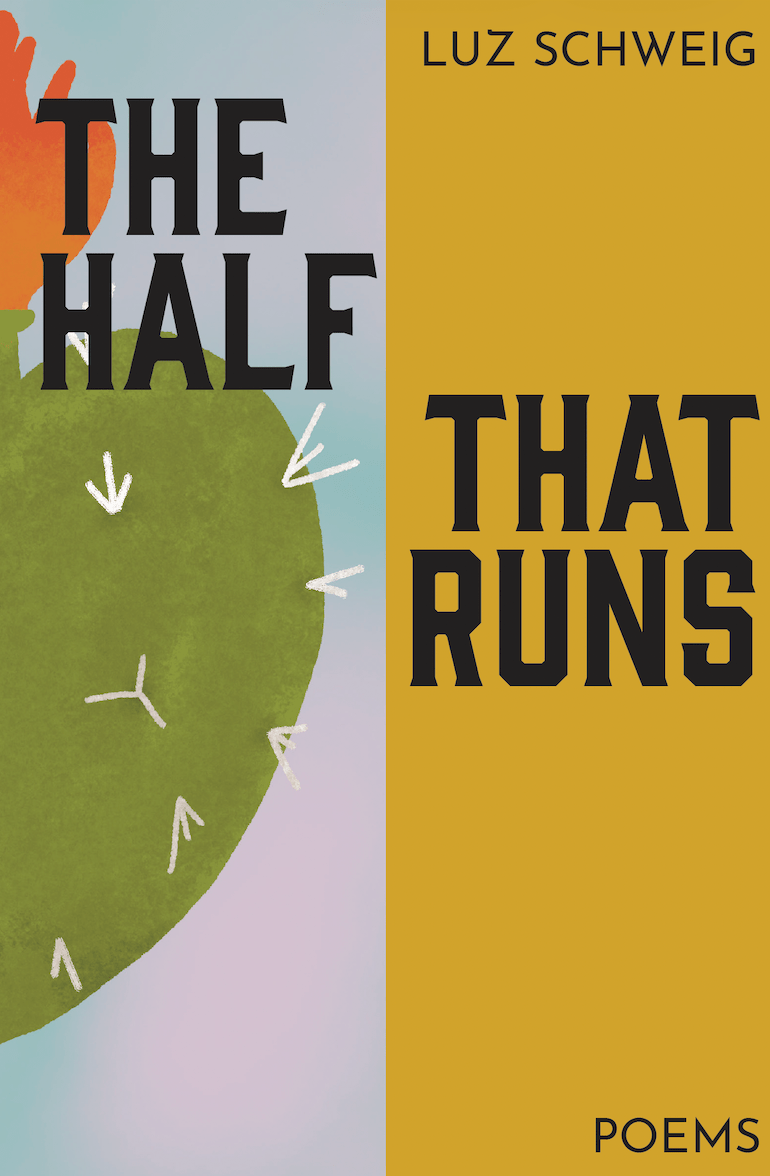
The Half That Runs by Luz Schweig
What if your memories had a geography—one that kept shifting under your feet like sand? Discover how The Half That Runs by Luz Schweig maps identity—read the full piece.
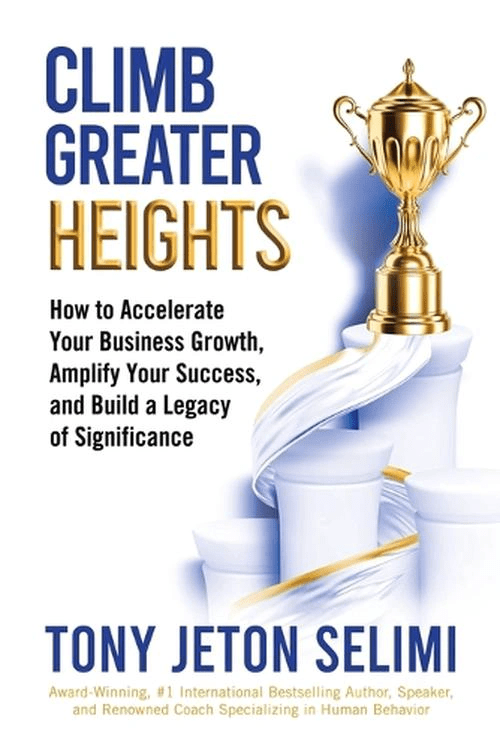
Book Review: Climb Greater Heights by Tony Jeton Selimi
What if your biggest business obstacle isn’t competition but something invisible within you? Discover the answer in Climb Greater Heights by Tony Jeton Selimi—read the full review to explore.

 OneTribune