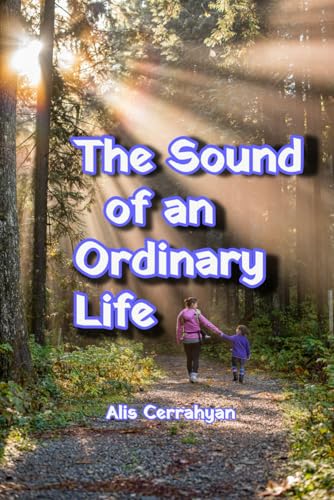
Forget grand memoirs filled with political milestones or Hollywood name-dropping. The Sound of an Ordinary Life stands apart—it doesn’t try to convince you that the author’s life was extraordinary. Instead, it argues that the ordinary is its own kind of miracle. That getting up, facing your past, and choosing kindness over bitterness is a feat of quiet heroism.
At the center of this story is a conversation—between a woman nearing 70 and her younger self, who’s still seven, small, and full of questions. This inner dialogue becomes a mirror, a battleground, and ultimately, a bridge.
Theme: Memory as a Living Entity
Cerrahyan doesn’t treat memory as a record. She treats it like a companion—shifting, breathing, aging alongside you. The entire book functions like a soul’s scrapbook. The past isn’t locked in time; it taps us on the shoulder when we least expect it.
Ever walked into a room and smelled something that transported you 30 years back? That’s what this book feels like—a trigger, but a healing one.
Rhetorical Questions as Therapy
The book is peppered with rhetorical reflections that act more like therapy than storytelling. “Why didn’t you visit me sooner?” the younger self asks. “Wasn’t I worth it?” These moments feel less like drama and more like an excavation. It’s a book that encourages readers to ask their own hard questions—gently.
This technique has a deep psychological resonance. According to trauma researchers, self-dialogue is a powerful form of reprocessing painful memory. Cerrahyan’s method? A heartfelt conversation—not with a therapist, but with the child within.
A Language of Letting Go
Cerrahyan’s prose doesn’t aim to impress. It aims to express. Her language is richly metaphorical—she compares grief to “love with nowhere to go,” and describes humility as “a best friend” rather than a burden. The lyrical tone is one of the book’s defining strengths: it doesn’t lecture, it listens.
Imagine a sunset that doesn’t shout with color, but whispers its beauty. That’s the kind of language Cerrahyan uses. It leaves room for the reader.
Failure as a Form of Grace
One of the most refreshing aspects? Cerrahyan doesn’t “win” in the traditional sense. She doesn’t become wildly famous or solve every childhood issue. But she does something far more radical: she forgives herself. And in doing so, she models a different kind of success—the courage to live in truth, not triumph.
She turns the act of not “becoming everything you wanted” into an offering of peace. It’s a beautiful reframing for anyone tired of hustle culture or Instagram-optimized lives.
Final Thoughts
This book accomplishes something rare—it makes introspection feel alive. You’ll close this book feeling like you’ve just walked out of a long conversation with someone you forgot you needed.
It may not change your life overnight. But it might help you stop being at war with your own past. And that’s worth a shelf full of bestsellers.
Excellence in Literature Award
The Excellence in Literature Award is a tribute to the timeless power of storytelling. We recognise works that transcend fleeting trends—books that resonate deeply and linger long after the final page. Whether bold and boundary-breaking or quietly powerful, these stories reflect true literary excellence.
This award encompasses a wide literary landscape—from genre fiction to poetic reflections, from contemporary gems to historical epics. At its heart, it celebrates writers who demonstrate mastery, originality, and the ability to connect with readers on a meaningful level.
We’d love to hear from you!
What are your thoughts on this piece? Share your insights in the comments below!
- What stood out to you most about this post?
- Have you read a book recently that relates to the themes discussed here?
- What’s your favorite takeaway or reflection from this write-up?
Let’s keep the conversation going—your thoughts make this space richer!
Disclaimer: The content on this site is provided for informational and inspirational purposes only. While we strive for accuracy, the views expressed in reviews, articles, and recommendations are subjective and may not reflect the opinions of all readers.
We receive complimentary copies of all books we review. However, this practice does not compromise the integrity or honesty of our reviews. Every write-up reflects the contributor’s genuine impressions and critical analysis, ensuring transparency and trust with our readers.
For a complete understanding of our practices, please refer to our full Disclaimer, Privacy Policy, and Terms of Service. These documents outline how we manage your information, ensure transparency, and uphold your rights as a user.
To request for a review, to nominate your favorite book for an award, or for more details about our awards, click here.
Other Stories
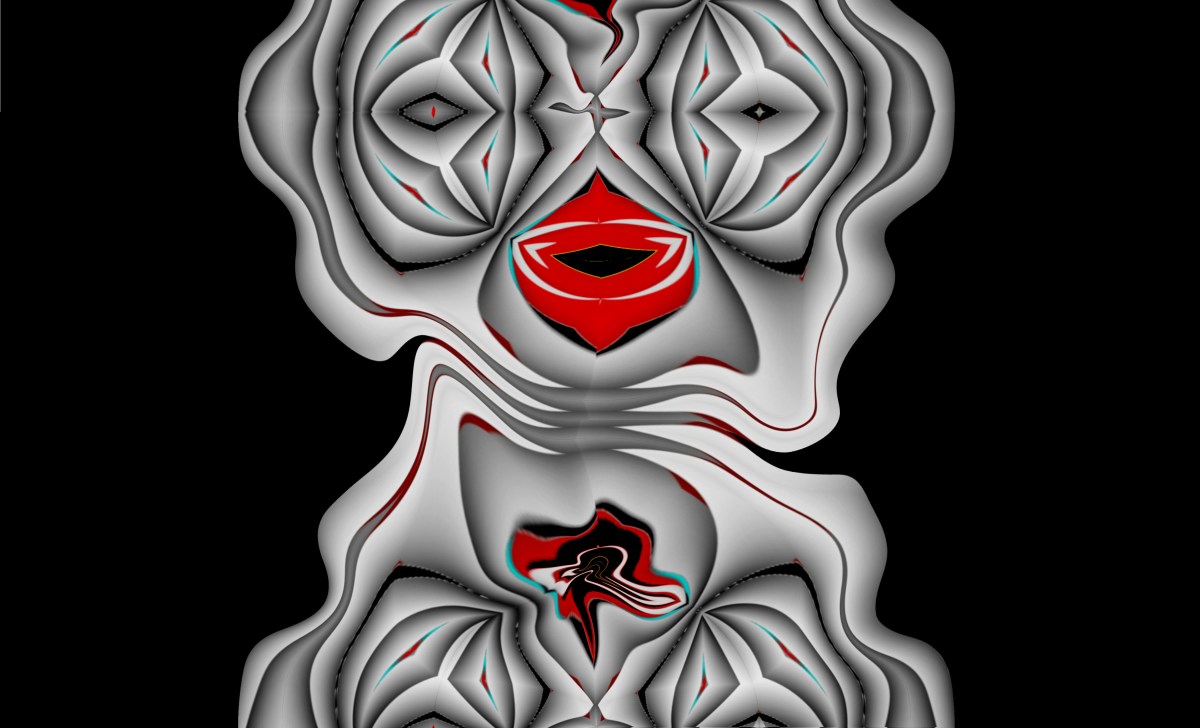
Grieving Ic by Edward Michael Supranowicz
What does a feeling look like when it turns symmetrical? Spend time with Edward Michael Supranowicz’s artwork, let its forms speak, and discover meaning by lingering with the image quietly.

Book Review: The Stress Book by Dr. D. Terrence Foster
If an octopus could text, juggle, cook, plan a future, soothe trauma, and still feel behind—would it read The Stress Book? You’ll find out why that’s relevant as you read on.
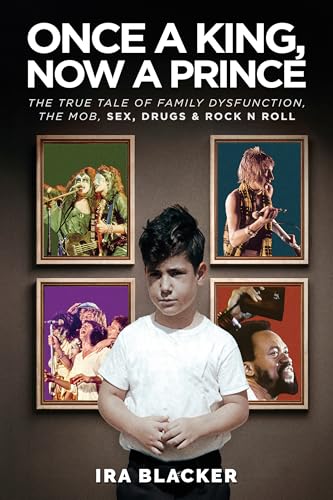
Once A King, Now A Prince by Ira Blacker
What happens when imagination becomes a survival skill instead of a pastime? Once A King, Now A Prince by Ira Blacker reveals the answer—if you’re willing to follow the journey.

 OneTribune