
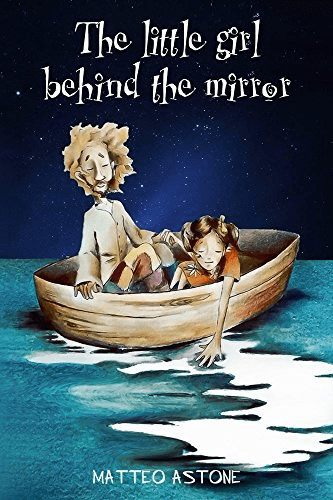
Genre: Fiction
Sub-genres: Children’s literature, Magical realism, Allegorical fiction, Social-emotional learning
Themes: Self-discovery, belonging, prejudice, emotional resilience, inner strength, friendship, empathy, self-acceptance
What if a puddle could speak—and reveal your deepest truths? That’s the premise readers must grapple with in The Little Girl Behind the Mirror, a story that resists simple categorization. It’s not just a tale about a mysterious village and its quirky inhabitants, but a layered metaphor for childhood’s most silent struggles: not fitting in, not being seen, and not knowing who you are yet.
Scarlett, the main character, arrives nameless, isolated, and marked by what others see as difference—a “milky-coffee” birthmark on her cheek. Through a journey shaped by magical springs, surreal mirrors, and cryptic voices from the sea, she learns to name herself and her pain. There are no clear-cut villains or heroes. Instead, we find echoes of real-world judgment and misunderstanding: the whispered insults of villagers, the silence of adults, and the hollowness of unearned titles.
This is not a story of escape into fantasy, but of stepping through it. The mirrors here don’t flatter; they confront. Like scientific instruments reflecting back not just an image, but data we might not want to see, the spring in this tale tells characters who they are—and asks who they want to become.
Interestingly, the book also introduces a sense of layered identity. “I am a king,” one character says, only to be asked, “Yes, but who are you?” Children reading this may start to ask the same of themselves—not in fear, but in curiosity.
There’s a subtle lesson in emotional intelligence at play here. The story walks young readers through grief, exclusion, and doubt, only to land on connection, dignity, and love. When Scarlett finally sees herself clearly, the revelation is not magical but deeply human. It says: you are worthy, even when you’re unsure, even when no one else tells you.
This book is especially suited for:
- Children aged 9–12 who enjoy introspective, character-driven fantasy
- Parents or educators looking for discussion-rich books on emotions and identity
- Readers who connect with stories that gently deconstruct prejudice and misunderstanding
It may not resonate with:
- Very young readers expecting linear adventure or humor
- Those seeking high action or traditional fairy tale pacing
Content Warning:
Mild emotional distress, references to social exclusion, and self-identity questioning.
We’d love to hear from you!
What are your thoughts on this piece? Share your insights in the comments below!
- What stood out to you most about this post?
- Have you read a book recently that relates to the themes discussed here?
- What’s your favorite takeaway or reflection from this write-up?
Let’s keep the conversation going—your thoughts make this space richer!
Disclaimer: The content on this site is provided for informational and inspirational purposes only. While we strive for accuracy, the views expressed in reviews, articles, and recommendations are subjective and may not reflect the opinions of all readers.
We receive complimentary copies of all books we review. However, this practice does not compromise the integrity or honesty of our reviews. Every write-up reflects the contributor’s genuine impressions and critical analysis, ensuring transparency and trust with our readers.
For a complete understanding of our practices, please refer to our full Disclaimer, Privacy Policy, and Terms of Service. These documents outline how we manage your information, ensure transparency, and uphold your rights as a user.
To request for a review, to nominate your favorite book for an award, or for more details about our awards, click here.
Other Stories

Reimagining Life Through Words and Service with Debra J. White
What happens when life’s hardest blows lead to unexpected purpose? Discover how Debra turned trauma, recovery, and rescued animals into writing and volunteer work that inspires resilience and connection.
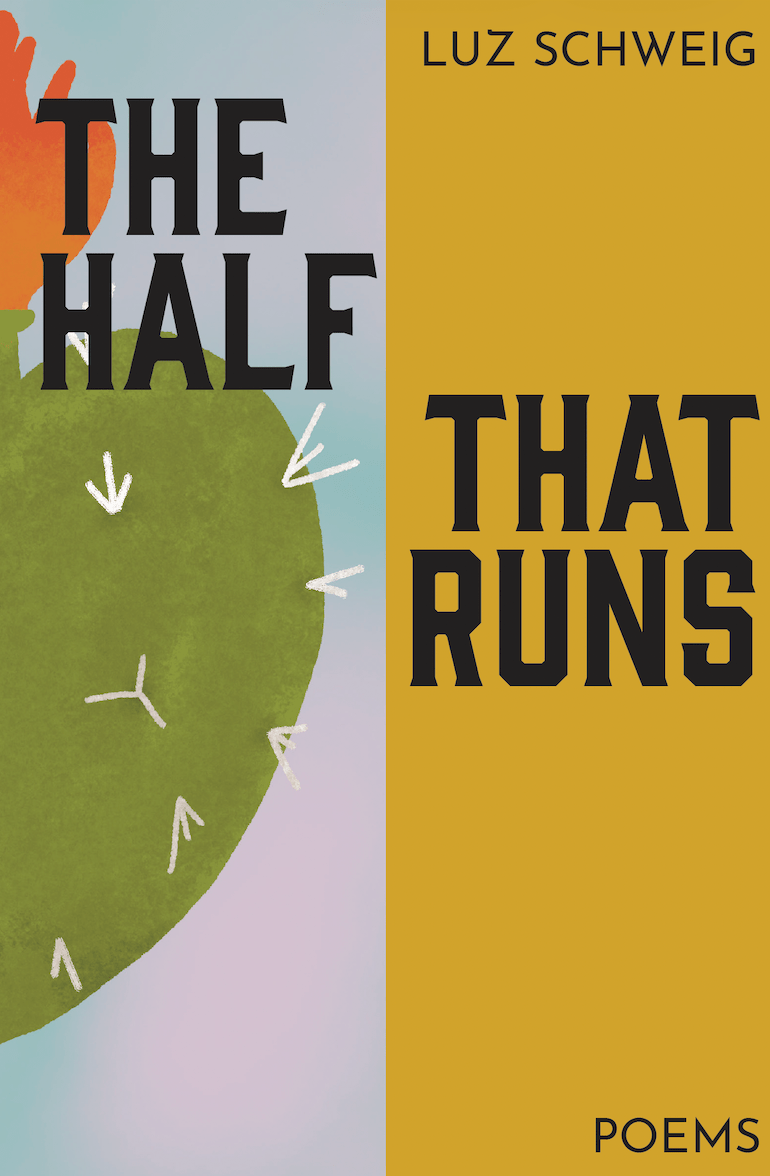
The Half That Runs by Luz Schweig
What if your memories had a geography—one that kept shifting under your feet like sand? Discover how The Half That Runs by Luz Schweig maps identity—read the full piece.
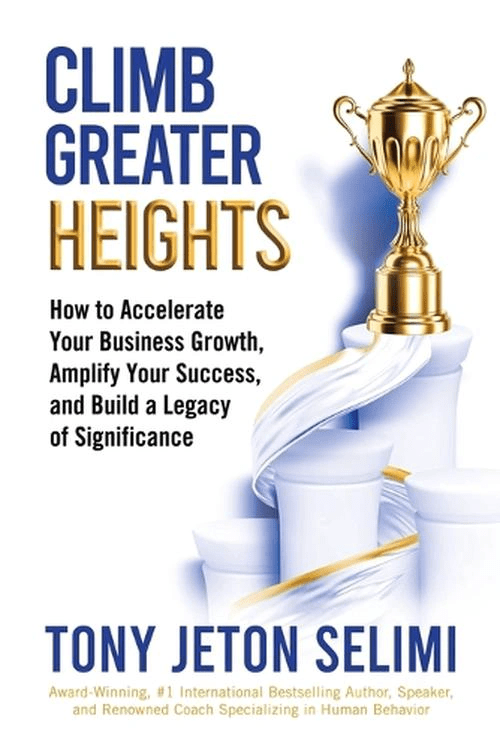
Book Review: Climb Greater Heights by Tony Jeton Selimi
What if your biggest business obstacle isn’t competition but something invisible within you? Discover the answer in Climb Greater Heights by Tony Jeton Selimi—read the full review to explore.

 OneTribune